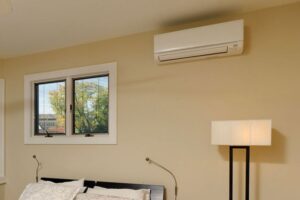
When it comes to tiny homes, every square foot matters, and so does the comfort inside. HVAC systems for tiny homes play a crucial role in ensuring that these compact spaces remain cozy, regardless of the weather outside. With unique challenges and limited square footage, it’s essential to understand how to maintain an optimal living environment while prioritizing energy efficiency.
From mini-split systems to portable units, this overview dives into the most suitable HVAC options for tiny houses, discussing their pros and cons, installation requirements, and innovative eco-friendly technologies that can enhance your tiny home living experience.
Importance of HVAC Systems in Tiny Homes
In the realm of tiny homes, the significance of heating, ventilation, and air conditioning (HVAC) systems cannot be overstated. Given the compact nature of these living spaces, maintaining a comfortable indoor environment becomes a pivotal aspect of daily life. An efficient HVAC system is essential for regulating temperature and ensuring quality air circulation, making it a crucial component in tiny home design.The unique challenges faced in tiny homes regarding heating and cooling stem from their limited space.
Unlike traditional homes, tiny houses often showcase a more open layout, which can lead to uneven heating or cooling if not managed properly. Additionally, insulation quality, the orientation of the home, and the number of windows all play a role in how effectively an HVAC system can operate. For instance, during colder months, a small space may require a more powerful heater to overcome heat loss through walls and windows.
Energy Efficiency Considerations for Tiny Home HVAC Systems
When selecting an HVAC system for a tiny home, energy efficiency must be a primary focus. Due to limited space, tiny homes often need systems that not only fit but also perform effectively without consuming excessive energy. Below are key energy efficiency considerations:
- Size of the HVAC Unit: A properly sized unit is vital. An oversized system will cycle on and off frequently, wasting energy, while an undersized system may struggle to maintain comfort.
- Insulation Quality: High-quality insulation helps to retain heat during winter and keep cool air in during summer, reducing the workload on HVAC systems.
- Energy Star Ratings: Look for HVAC systems with Energy Star ratings which indicate compliance with energy efficiency guidelines set by the EPA.
- Smart Thermostats: Integrating smart technology allows for better temperature control and can lead to significant energy savings through optimized usage patterns.
- Alternative Heating Options: Consider options such as heat pumps or radiant floor heating, which can be more efficient in small spaces compared to traditional systems.
In tiny homes, energy efficiency not only contributes to lower utility bills but also supports a sustainable lifestyle, which is often a key motivation for choosing to live in a smaller space. By investing in an efficient HVAC system, homeowners can ensure comfort year-round while minimizing their environmental footprint.
“Choosing the right HVAC system in a tiny home is about balancing comfort, space, and efficiency.”
Types of HVAC Systems Suitable for Tiny Homes
When it comes to tiny homes, choosing the right HVAC system is crucial for maintaining comfort in a limited space. The options available vary in size, efficiency, and installation requirements, making it essential to explore what’s best suited for your specific needs. Understanding the pros and cons of available systems can help you make an informed decision that matches your lifestyle and tiny home design.Tiny homes often necessitate compact and efficient heating and cooling solutions.
Here, we explore popular HVAC systems, focusing on mini-split systems, portable units, and other alternatives. Each type offers distinct advantages and drawbacks, which homeowners should consider when selecting a system.
Mini-Split Systems
Mini-split systems are becoming increasingly popular in tiny homes due to their flexibility and efficiency. Comprising an outdoor compressor and one or more indoor air-handling units, these systems can heat and cool individual spaces.
- Pros:
Mini-split systems provide zoned heating and cooling, allowing for personalized comfort in each area of the tiny home.
They are energy-efficient, often leading to lower utility bills. Additionally, these systems require minimal ductwork, which is ideal for small spaces.
- Cons:
Initial installation costs can be higher than other systems, particularly if multiple indoor units are required.
Maintenance can also be more complex, requiring professional service for optimal performance.
The installation of mini-split systems generally involves mounting the indoor unit on a wall and connecting it to the outdoor unit via refrigerant and power lines. This system requires adequate insulation to maximize efficiency.
Portable Units
Portable HVAC units are another viable solution for tiny homes, providing both heating and cooling as needed. These self-contained units can be moved easily from room to room.
- Pros:
Portable units are relatively inexpensive and require no permanent installation.
They can be a temporary solution for renters or those looking for flexibility in their heating and cooling options.
- Cons:
While portable units offer convenience, they can be less energy-efficient than fixed systems.
Additionally, they often require a window for venting, which may not be suitable for all tiny home designs.
Setting up a portable unit typically involves placing the unit in the desired location and connecting it to a power source and a window for venting air. This ease of use is appealing, especially for those who may only need HVAC on a seasonal basis.
Wall-Mounted and Radiant Heating
Wall-mounted and radiant heating solutions are alternative methods for heating tiny homes, particularly in colder climates.
- Pros:
These systems provide consistent heat and can be very energy-efficient, especially radiant heating.
Wall-mounted solutions take up minimal space and can be integrated seamlessly into the home’s aesthetic.
- Cons:
Both options may require professional installation, and they often lack cooling capabilities.
This could necessitate the installation of a separate cooling solution, which can complicate the HVAC system’s overall design.
Installation for wall-mounted heating typically requires mounting the unit to the wall and connecting it to the home’s electrical system. Radiant heating systems may involve laying heating cables or mats under flooring, which can be more invasive.In selecting the right HVAC system for a tiny home, factors such as climate, space layout, and personal comfort preferences play a significant role.
Each option presents unique advantages and challenges, making it important to weigh these carefully in the decision-making process.
Energy Efficiency and Sustainability
Enhancing energy efficiency and promoting sustainability are essential aspects of HVAC systems in tiny homes. Given the limited space and often eco-conscious mindset of tiny home dwellers, optimizing heating, ventilation, and air conditioning becomes crucial for both comfort and environmental responsibility. By integrating energy-efficient methods and sustainable practices, tiny homes can minimize their carbon footprint while maximizing their livability.To improve energy efficiency in HVAC systems for tiny homes, several methods can be employed.
These not only contribute to reduced energy consumption but also enhance the overall performance of the systems installed. Below are some effective strategies that can be implemented to achieve these goals.
Methods for Enhancing Energy Efficiency
Implementing energy-efficient practices within HVAC systems can greatly reduce energy bills and environmental impact. Some vital methods include:
- Proper Insulation: Ensuring that tiny homes are well-insulated helps maintain desired temperatures, reducing the workload on HVAC systems.
- Sealed Ductwork: Proper sealing of ductwork prevents air leaks, which can lead to significant energy loss.
- Energy-Efficient Equipment: Investing in Energy Star-rated HVAC units can substantially decrease energy usage compared to standard models.
- Smart Thermostats: Utilizing programmable or smart thermostats allows for better temperature control and energy savings by adjusting settings based on occupancy.
Eco-Friendly HVAC Options
Eco-friendly HVAC solutions are increasingly popular among tiny home enthusiasts looking to combine comfort with sustainability. These systems are designed to minimize environmental impact while ensuring efficient climate control. Some notable options include:
- Mini-Split Systems: These systems provide zoned heating and cooling and often use less energy than traditional units, making them perfect for small spaces.
- Geothermal Heat Pumps: By harnessing the earth’s stable temperature, geothermal systems provide efficient heating and cooling with minimal energy use.
- Solar-Powered HVAC Units: Utilizing solar panels to power HVAC systems reduces reliance on grid electricity and minimizes carbon emissions.
Strategies for Reducing Energy Consumption
To further enhance energy sustainability within tiny homes, several strategies can be implemented to decrease overall energy consumption while utilizing HVAC systems. These strategies not only help save costs but also contribute to a more sustainable lifestyle.
- Regular Maintenance: Performing routine maintenance, such as cleaning filters and checking refrigerant levels, ensures HVAC systems operate efficiently.
- Natural Ventilation: Utilizing windows and ventilation strategically can reduce the need for mechanical cooling or heating.
- Energy Audits: Conducting energy audits can identify areas of energy waste, leading to targeted improvements in energy efficiency.
- Use of Ceiling Fans: Ceiling fans can help circulate air effectively, reducing the reliance on heating and cooling systems.
Integration with Home Furniture and Layout
In tiny homes, every inch counts, and the integration of HVAC systems with furniture and layout is essential for maximizing comfort and efficiency. Proper placement of HVAC units influences not only the home’s thermal comfort but also the functionality of the living space. Understanding how to harmonize these systems with furniture arrangements can create a more enjoyable and practical living environment.The placement of HVAC systems can significantly impact furniture arrangement in tiny homes.
Typically, HVAC units require access to both airflow and maintenance, which can dictate where furniture should be placed. For instance, placing a heating unit or vent behind a couch can obstruct airflow, leading to uneven heating and cooling throughout the space. It’s essential to consider the layout when selecting the location for these systems. Below are some tips for optimizing furniture arrangements while ensuring efficient HVAC function:
Airflow and Circulation in Tiny Home Layouts
Airflow is crucial in tiny homes where space is limited. Proper circulation promotes a comfortable atmosphere and prevents areas from becoming too hot or cold. When designing the layout, the following considerations can enhance airflow:
- Position furniture at least a few inches away from vents to allow unobstructed airflow.
- Arrange seating areas in a way that encourages air circulation, avoiding blockages that can trap heat or cool air.
- Utilize multi-functional furniture that can be moved easily, allowing for flexible adjustments based on HVAC output and seasonal changes.
Ensuring proper airflow not only enhances comfort but also contributes to the efficiency of the HVAC system. In a compact space, air needs to flow freely to maintain a consistent temperature throughout.
Energy-Efficient Furniture Selection
Choosing energy-efficient furniture can complement HVAC systems while maximizing space and functionality in tiny homes. The right furniture can significantly affect how efficiently heat or cool air circulates. Here are some considerations to keep in mind when selecting furniture:
- Select furniture with open designs, such as chairs and tables with legs, which allows air to flow beneath and around them.
- Incorporate materials that are known for their insulating properties, such as wool or cotton, which can help maintain temperature.
- Opt for lighter-colored upholstery that reflects sunlight rather than absorbing it, which can help keep the space cooler in warmer climates.
By strategically choosing energy-efficient furniture, tiny homeowners can enhance the effectiveness of their HVAC systems while creating a functional and cozy living space.
Integrating HVAC systems with furniture and layout is key to maximizing comfort and efficiency in tiny homes.
Seasonal Considerations for Tiny Home HVAC
As the seasons change, so do the heating and cooling needs of tiny homes. Understanding these seasonal variations is crucial for optimizing HVAC performance and ensuring comfort. Properly maintained HVAC systems can adapt to seasonal demands, providing energy efficiency and minimizing costs throughout the year. Here, we’ll explore how HVAC needs shift with the seasons and the necessary preparations for both winter and summer, along with maintenance routines that ensure year-round efficiency.
Changing HVAC Needs with Seasons
In tiny homes, HVAC requirements can vary significantly between winter and summer. During colder months, residents rely more on heating systems to maintain a comfortable indoor temperature. Conversely, in warmer months, effective cooling becomes essential. The compact nature of tiny homes means that heating and cooling can often be managed with smaller, more energy-efficient systems, but these systems must be adjusted and maintained according to the season to function optimally.
Preparing HVAC Systems for Winter
Winter preparation is critical to ensure the HVAC system can handle the cold. Here are essential steps to prepare:
- Inspect and replace air filters to maintain airflow and efficiency.
- Check insulation around windows and doors to prevent drafts.
- Service the heating system, including checking for gas leaks and ensuring the pilot light is functioning.
- Inspect and clean ducts to enhance air quality and system efficiency.
- Consider using a programmable thermostat to optimize heating schedules based on occupancy.
Preparing HVAC Systems for Summer
Summer brings its own set of challenges, particularly regarding cooling. To ensure comfort during hotter months, consider the following:
- Clean or replace air filters for optimal airflow and efficiency.
- Inspect refrigerant levels and ensure there are no leaks in the cooling system.
- Seal any gaps or leaks in ductwork to prevent cool air from escaping.
- Utilize fans or shade structures to reduce reliance on air conditioning.
- Schedule a professional inspection to ensure the cooling system runs efficiently.
Maintenance Routines for Year-Round Efficiency
Year-round maintenance is vital for the longevity and efficiency of HVAC systems in tiny homes. Regular practices include:
- Monthly filter checks and replacements to ensure clean air circulation.
- Seasonal inspections by a professional technician to ensure all components are functioning properly.
- Regular cleaning of outdoor units to remove debris that can impact performance.
- Monitoring energy bills for unusual spikes that may indicate inefficiencies within the system.
- Keeping vents clear of obstructions to promote optimal airflow throughout the home.
“A well-maintained HVAC system not only enhances comfort but also significantly reduces energy costs.”
Home Inspections Related to HVAC
Before investing in or renting a tiny home, conducting a thorough HVAC inspection is essential. The heating, ventilation, and air conditioning system is a critical component that directly impacts comfort levels and energy efficiency. Ensuring the HVAC system is in good condition can save future homeowners from unexpected expenses and significant discomfort during extreme weather conditions.A well-functioning HVAC system is crucial for the overall health of a tiny home.
During home inspections, several indicators can help evaluate the system’s status and efficiency. Homebuyers should be aware of these signs to gauge whether an HVAC system is reliable and adequately integrated into the home’s layout.
Key Indicators of a Healthy HVAC System
Identifying a healthy HVAC system involves examining various components and signs. Recognizing these indicators can prevent potential issues down the line. Here are some critical aspects to consider:
- Temperature Consistency: The system should regulate temperature evenly throughout the home without significant fluctuations.
- Noise Levels: An operational HVAC system should run quietly. Unusual noises may indicate mechanical problems needing attention.
- Air Quality: Inspect for any foul odors or dust accumulation, which could signal airflow issues or duct leaks.
- Filter Condition: A clean or recently replaced filter demonstrates regular maintenance, while a dirty filter suggests neglect.
- Thermostat Functionality: Ensure the thermostat operates correctly, reflecting accurate temperature readings and settings.
- Age of the System: Older systems may require updates or replacements, so knowing their age is beneficial.
Checklist for Evaluating HVAC Systems in Tiny Homes
When inspecting the HVAC system of a tiny home, having a structured checklist can streamline the evaluation process. This checklist provides an organized way to ensure each component of the HVAC system is assessed for functional integrity.Start your inspection by considering the following elements:
- Inspect the HVAC Unit: Check for rust, leaks, or corrosion on the unit.
- Check Ductwork: Ensure ducts are sealed and insulated properly to prevent energy loss.
- Evaluate Ventilation: Confirm all vents are unobstructed and clear of debris.
- Review Maintenance History: Ask for records of past maintenance and repairs performed on the HVAC system.
- Assess Energy Efficiency Ratings: Look for Energy Star ratings or other efficiency certifications that indicate a system’s performance.
- Examine the Thermostat: Test for responsiveness and accurate temperature settings.
“A comprehensive HVAC inspection can safeguard against costly repairs and ensure a comfortable living environment in your tiny home.”
Future Trends in HVAC for Tiny Homes
As tiny homes gain popularity, the need for efficient HVAC systems tailored to their unique requirements becomes increasingly evident. Innovations and technological advancements are shaping the future of HVAC, making these systems more efficient and user-friendly for tiny living. This section explores emerging technologies, the integration of smart home systems, and trends in sustainability that align with tiny home living.
Emerging Technologies in HVAC Systems
The evolution of HVAC systems is marked by the introduction of cutting-edge technologies designed to enhance comfort and efficiency in small spaces. One notable advancement is the development of mini-split systems, which provide zone heating and cooling without the need for extensive ductwork. These units are compact, easy to install, and offer high energy efficiency, making them ideal for tiny homes.
Another emerging technology is the use of variable speed compressors in HVAC units. This feature allows systems to adjust their output based on the current heating or cooling needs, which ensures optimal energy use and consistent indoor temperatures. Additionally, heat pump technology has become more accessible for tiny homes, offering an environmentally friendly alternative to conventional heating methods. Heat pumps extract heat from the air or ground, providing efficient heating and cooling throughout the year.
Impact of Smart Home Technology on HVAC Efficiency
Smart home technology has revolutionized how we manage our living environments, and HVAC systems are no exception. The integration of smart thermostats and climate control systems in tiny homes provides homeowners with greater control over their indoor climate. These devices learn user preferences and automatically adjust settings for optimal comfort and energy savings.Advanced HVAC systems can now be monitored and controlled remotely using smartphones or other devices.
This enables homeowners to turn their systems on or off, set schedules, and even receive alerts about maintenance needs. Such features not only enhance convenience but also promote energy efficiency by ensuring that heating and cooling occur only when necessary.
“Smart HVAC technology can reduce energy consumption by up to 30%, leading to significant savings on utility bills and a lower environmental impact.”
Sustainable HVAC Practices for Tiny Home Living
Sustainability is a core principle of tiny home living, and HVAC systems can contribute significantly to eco-friendly practices. The trend towards renewable energy sources is gaining traction, with many tiny homeowners opting for solar-powered HVAC systems. These systems utilize solar panels to generate electricity for heating and cooling, drastically reducing reliance on fossil fuels.Moreover, the use of energy recovery ventilators (ERVs) is becoming popular in tiny homes.
ERVs improve indoor air quality by exchanging stale indoor air with fresh outdoor air while recovering energy from the exhausted air, thus reducing the load on HVAC systems. This technology is particularly beneficial in smaller spaces where proper ventilation is crucial.Another sustainable practice involves the use of eco-friendly refrigerants in HVAC systems. Traditional refrigerants have been linked to ozone depletion and global warming.
Newer, less harmful refrigerants are being developed, which are more compatible with environmental regulations, ensuring that tiny home HVAC systems are not only effective but also environmentally responsible.
House Plans and HVAC Considerations
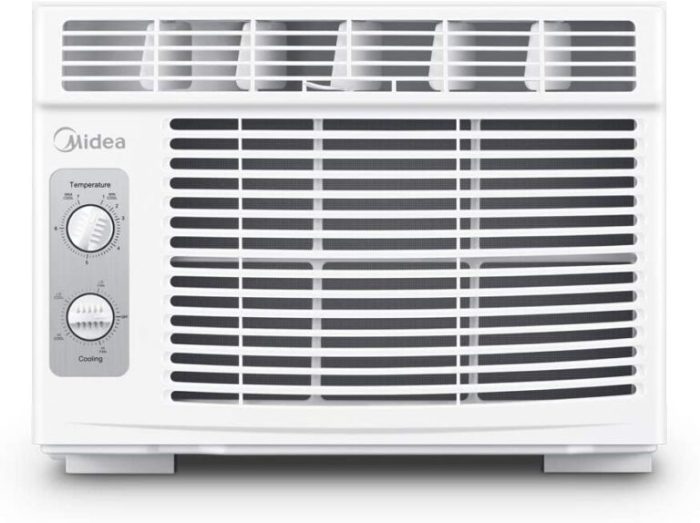
Integrating HVAC design into tiny home architectural plans is crucial for optimizing comfort and energy efficiency. In tiny homes, where space is limited, the selection and placement of HVAC systems can greatly influence both the layout and overall functionality. Thoughtful design can enhance performance while reducing energy consumption and operational costs.Incorporating HVAC systems during the design phase allows for tailored solutions that accommodate the unique spatial constraints of tiny homes.
For instance, a compact home may benefit from a mini-split system, which can be easily integrated into various layouts without requiring extensive ductwork. Additionally, the inclusion of energy-efficient features, such as proper insulation and strategically placed windows, can significantly enhance system performance.
Examples of House Plans Optimizing HVAC Performance
Certain house plans specifically integrate HVAC considerations to maximize comfort and efficiency. Here are some noteworthy examples that illustrate this synergy:
- The Tumbleweed Tiny House: This design utilizes a mini-split heat pump which provides both heating and cooling. Its open floor plan allows for even air distribution, while the high-quality insulation minimizes heat loss.
- The Tiny Home Co. Model: Featuring a layout that positions windows for optimal cross-ventilation, this tiny home enhances natural airflow, reducing reliance on mechanical systems. A wall-mounted heater complements this design.
- The Eco Cabin: This plan includes a small wood stove as the primary heat source, supplemented by radiant floor heating. This combination ensures warmth during colder months while maintaining the cozy aesthetic of the cabin.
Careful planning of HVAC systems during the design phase not only improves comfort but also significantly impacts energy use and sustainability. For instance, integrating ductless systems or utilizing high-efficiency appliances can lead to notable reductions in energy consumption, aligning with the eco-friendly principles many tiny home dwellers prioritize.
“Well-designed HVAC systems in tiny homes can lead to substantial energy savings while ensuring a comfortable living environment.”
Closure
In conclusion, selecting the right HVAC system for your tiny home is not just about comfort but also about sustainability and efficiency. By understanding your options and considering the unique aspects of tiny living, you can create a welcoming environment that maximizes energy savings while meeting your heating and cooling needs. So as you plan your tiny home, keep these HVAC insights in mind for a thriving and comfortable space.
Clarifying Questions
What is the best HVAC system for a tiny home?
The best HVAC system depends on your specific needs, but mini-split systems are popular for their efficiency and flexibility in small spaces.
How can I improve the energy efficiency of my tiny home’s HVAC?
Consider using programmable thermostats, sealing any drafts, and choosing energy-efficient appliances to enhance your system’s performance.
Do tiny homes require regular HVAC maintenance?
Yes, regular maintenance is essential to ensure your HVAC system runs efficiently and lasts longer, regardless of the home’s size.
Can I install an HVAC system myself in a tiny home?
While some systems can be installed by DIY enthusiasts, it’s often best to consult a professional to ensure proper installation and efficiency.
Are there eco-friendly HVAC options for tiny homes?
Yes, there are various eco-friendly HVAC options, including solar-powered systems and energy-efficient heat pumps, designed for sustainable living.