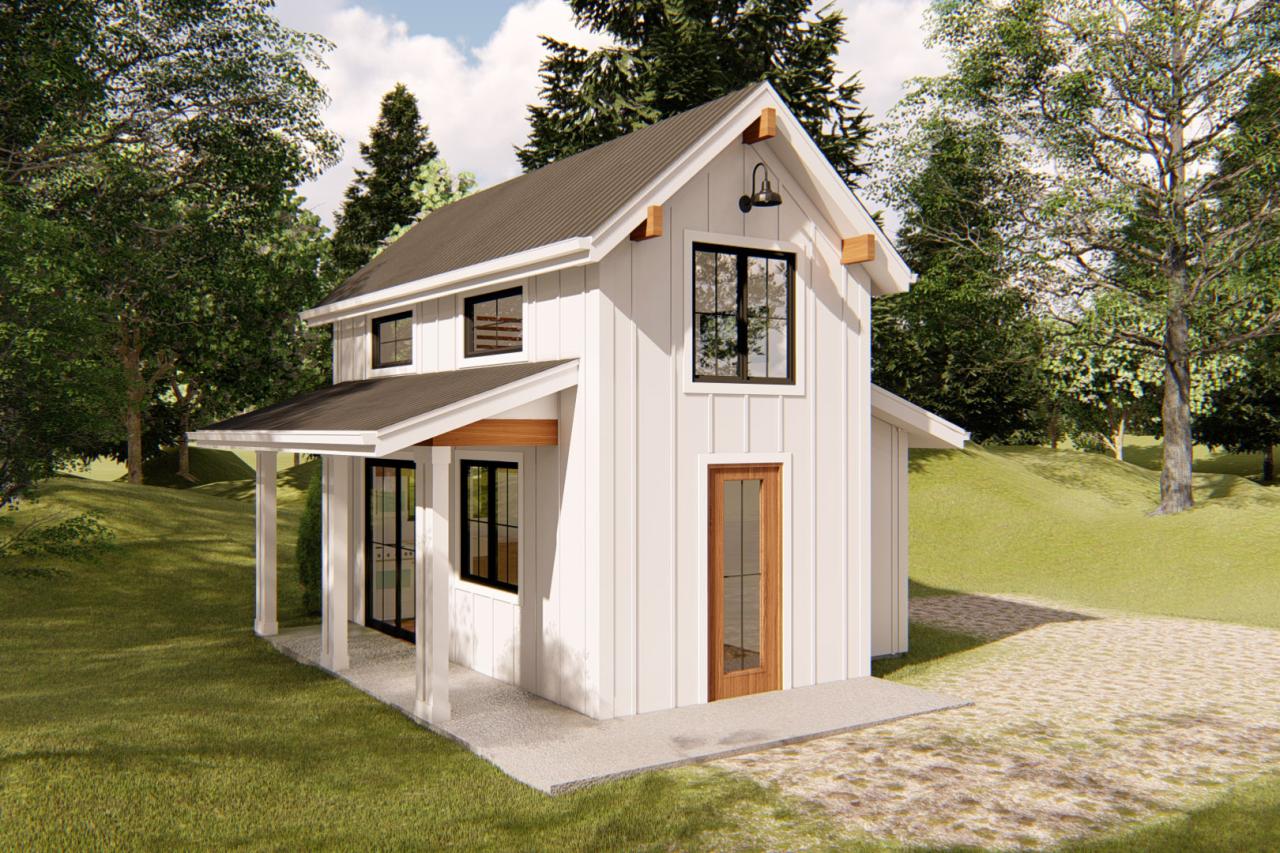
Small house plans under 1000 sq ft offer a unique blend of efficiency and charm, making them an attractive choice for modern living. These compact homes not only cater to minimalistic lifestyles but also promote sustainability and cost-effectiveness. With various architectural styles and clever design strategies, these homes maximize space and functionality, allowing homeowners to live comfortably without the burden of excessive maintenance.
From cozy bungalows to trendy tiny homes, the options are diverse and appealing. Each design emphasizes the importance of smart furniture choices, energy-efficient appliances, and eco-friendly materials, all contributing to a more sustainable way of life. Adaptations in heating and cooling solutions further enhance comfort in small spaces, making them as inviting as larger homes.
Small House Plans Overview
Living in a small house under 1000 sq ft offers a unique blend of efficiency, simplicity, and sustainability. These homes often encourage a minimalist lifestyle, reducing clutter and promoting a sense of tranquility. With lower utility costs and easier maintenance, small houses appeal to a wide range of individuals, from young professionals to retirees. The charm of living in a compact space is complemented by the opportunity to create a cozy, personalized environment.When it comes to architectural styles, small houses showcase a variety of designs that cater to different tastes and preferences.
Each style brings its own character and functionality, ensuring that there’s something for everyone. Notable features include open floor plans that maximize space and natural light, as well as innovative storage solutions that help keep the living area tidy and organized.
Architectural Styles of Small Houses
Small house designs are often categorized into several architectural styles. Each style has distinct characteristics that contribute to its aesthetic and functional appeal. Here are some popular architectural styles commonly found in small house plans:
- Cottage Style: These homes are characterized by their quaint and charming appearance, often featuring steep roofs, front porches, and decorative details. The layout typically emphasizes cozy living spaces and often includes built-in nooks or alcoves.
- Modern Style: Modern small houses focus on clean lines and open spaces. Large windows and minimalistic features create a bright, airy atmosphere. This style often incorporates sustainable materials and energy-efficient designs, appealing to eco-conscious homeowners.
- Farmhouse Style: Embracing rustic elements, farmhouse-style homes often feature wide porches, gabled roofs, and a blend of old and new materials. The interiors are typically open and functional, designed for communal living.
- Tiny House Movement: This contemporary trend emphasizes living simply with ultra-small homes. Tiny houses, often less than 400 sq ft, focus on multifunctional spaces and clever storage solutions, allowing residents to maximize their living experience.
Examples of Popular Small House Plans
A variety of small house plans showcase different dimensions and layouts, making it easier for homeowners to find designs that meet their needs. Here are several notable examples:
- The Rustic Retreat: Measuring 800 sq ft, this two-bedroom design features an open-concept living space with a combined kitchen and dining area, maximizing usability. Large windows provide ample natural light, while a small deck extends the living area outdoors.
- The Modern Minimalist: At 900 sq ft, this one-bedroom home offers a simple yet elegant layout with a spacious living area, a modern kitchen, and a private bathroom. The minimalist design includes smart storage solutions and a focus on functionality.
- The Eco-Friendly Haven: Covering 750 sq ft, this small house emphasizes sustainability with solar panels and energy-efficient appliances. The open floor plan allows for flexibility, and the design includes a small vegetable garden area for self-sufficiency.
These examples reflect the diverse possibilities within small house plans, showcasing how thoughtful design can create comfortable and beautiful living environments in compact spaces.
Home Furniture for Small Spaces
Furnishing a small home can be a delightful challenge. The key lies in selecting pieces that not only fit your style but also enhance the functionality of your living area. Opting for furniture that maximizes space efficiency is essential in making compact spaces feel more open and inviting. When carefully chosen, the right furniture can transform a small house into a cozy yet practical haven.Choosing the right furniture for small spaces involves understanding essential types and identifying pieces that offer multi-functionality.
This approach helps in making the most of limited square footage while ensuring that your home remains comfortable and stylish. Smaller homes often benefit from compact designs that allow for flexibility and adaptability in how space is used.
Essential Furniture Types for Small Homes
When selecting furniture for small spaces, consider the following essential types that can help maximize your layout:
- Sofa Beds: These versatile pieces serve as both seating and sleeping options, perfect for accommodating guests without sacrificing space.
- Folding Tables: Ideal for dining or working, folding tables can be easily stored away when not in use, freeing up floor space.
- Storage Ottomans: Functioning as both seating and storage, ottomans can hide away blankets or books while adding a decorative touch.
- Wall-Mounted Shelves: These shelves provide vertical storage options, keeping items off the floor and utilizing wall space effectively.
- Expandable Desks: Perfect for home offices, expandable desks can adjust in size based on your needs, allowing for efficient workspace management.
The right selection of furniture can significantly impact the usability of small spaces. It’s important to choose multi-functional furniture that can serve multiple purposes to minimize clutter and maximize utility.
Choosing Multi-Functional Furniture
Multi-functional furniture is a game changer in small living areas, providing flexibility and storage solutions. Here are some tips for selecting the right pieces:
- Assess Your Needs: Determine which functions are most important for your lifestyle; prioritize pieces that serve dual purposes.
- Look for Hidden Storage: Choose furniture with built-in storage options, such as beds with drawers or benches with compartments, to reduce clutter.
- Consider Size and Scale: Select smaller-scale furniture to avoid overwhelming the space, allowing for easy movement and flow.
- Opt for Lightweight Options: Furniture that is easy to move can be reconfigured based on your needs and the occasion, providing versatility.
- Incorporate Modular Pieces: Modular furniture can be rearranged to suit your needs, offering both functionality and aesthetics.
Investing in multi-functional furniture not only enhances the living experience in small homes but also adds an element of creativity to your space.
Importance of Scale and Proportion
Understanding scale and proportion is crucial when selecting furniture for compact spaces. The right size can make a significant difference in how open and spacious a room feels. Here are key considerations:
- Choose Appropriately Sized Furniture: Select pieces that fit the intended space without overwhelming it; oversized furniture can make rooms feel cramped.
- Maintain Visual Balance: Use furniture that creates a harmonious look, balancing larger items with smaller pieces to avoid a cluttered appearance.
- Incorporate Light Colors: Lighter colors can help make furniture appear less bulky, contributing to a more open environment.
- Limit the Number of Pieces: Too many items can overcrowd a small space; focus on quality over quantity for a more serene atmosphere.
- Utilize Vertical Space: Tall bookshelves or cabinets draw the eye upward, creating a sense of height and spaciousness.
Incorporating these principles of scale and proportion will not only enhance the aesthetic appeal of your home but also promote a more functional living environment.
Green Living in Small Homes
Living sustainably in a small home goes hand in hand with maximizing efficiency and minimizing waste. By adopting green practices, homeowners can significantly reduce their environmental footprint while enjoying the benefits of a more sustainable lifestyle. With limited space, small homes provide an excellent opportunity to implement eco-friendly solutions that enhance both comfort and utility.Sustainable practices in small homes can integrate innovative materials, energy-saving appliances, and water conservation measures.
Homeowners can embrace various approaches to ensure their living spaces are not only comfortable but also environmentally responsible.
Sustainable Practices for Small Homes
Implementing sustainable practices in small homes is crucial for reducing environmental impact while promoting energy efficiency. Here are some effective strategies to consider:
- Rainwater Harvesting: This method allows homeowners to collect and store rainwater for use in irrigation and other non-potable applications, reducing reliance on municipal water supplies.
- Composting: Setting up a small compost bin encourages the recycling of kitchen scraps and yard waste, creating nutrient-rich soil for gardening and reducing landfill waste.
- Solar Panels: Small homes can benefit from installing solar panels, which harness renewable energy to power appliances and reduce electricity bills over time.
- Efficient Insulation: Upgrading insulation helps maintain indoor temperatures, making heating and cooling more efficient while decreasing energy consumption.
Energy-Efficient Appliances and Fixtures
Energy-efficient appliances and fixtures play a significant role in reducing utility costs and minimizing environmental impact. These technologies are designed to consume less energy compared to traditional models, resulting in lower energy bills and reduced greenhouse gas emissions.
- LED Lighting: Swapping out incandescent bulbs for LED lighting can save homeowners up to 75% on lighting costs, while lasting significantly longer.
- Energy Star Appliances: Choosing appliances with the Energy Star label ensures that they meet strict efficiency guidelines, which can decrease energy use by 10-50% compared to standard appliances.
- Low-Flow Fixtures: Installing low-flow faucets and showerheads can cut water usage by 30% or more, contributing to significant savings on water bills.
Eco-Friendly Materials for Small House Construction
Selecting eco-friendly materials is key to constructing a sustainable small home. These materials not only reduce environmental impact but also contribute to healthier indoor air quality and energy efficiency.
- Bamboo: A fast-growing and renewable resource, bamboo is an excellent choice for flooring and cabinetry due to its durability and aesthetic appeal.
- Reclaimed Wood: Utilizing reclaimed wood from old barns or factories reduces the need for new lumber, minimizing deforestation and preserving natural resources.
- Recycled Metal: Incorporating recycled metal in roofing and siding can enhance durability while significantly reducing the carbon footprint associated with new production.
- Low-VOC Paints: Choosing low-VOC (volatile organic compounds) paints helps improve indoor air quality and reduce harmful emissions, making them a healthier option for small spaces.
By embracing green living principles and practices, homeowners in small houses can create efficient, cost-effective, and environmentally friendly living spaces. The combination of sustainable practices, energy-efficient technology, and eco-friendly materials helps transform small homes into models of sustainability.
Heating and Air Conditioning Solutions
Maintaining comfortable indoor temperatures in small homes is essential for ensuring a cozy living environment. This is particularly important in compact spaces, where heating and cooling needs may differ from larger homes. Understanding the available options can help homeowners make informed decisions that balance comfort, energy efficiency, and cost.Heating and cooling systems for small homes come in various forms, each with their own benefits and considerations.
When selecting a heating and air conditioning solution, homeowners must consider factors such as energy efficiency, installation costs, and the specific needs of their living space.
Comparison of Portable Systems and Central HVAC Systems
When it comes to heating and cooling in small homes, portable systems and central HVAC systems are two popular options. Each has its pros and cons that can impact both comfort and budget. Portable systems offer flexibility and ease of use. These units can be moved from room to room, allowing homeowners to target specific areas that need heating or cooling.
They typically have lower upfront costs and require minimal installation, making them ideal for renters or those looking for a quick solution. However, they may not provide uniform temperature control throughout the home, and energy efficiency can vary widely among models.On the other hand, central HVAC systems offer a comprehensive solution that can effectively heat or cool the entire home.
They are generally more energy-efficient, especially when paired with proper insulation, and provide consistent temperature control across all spaces. However, installation costs can be significantly higher, and retrofitting may be necessary in homes that were not initially designed for central air.To help in the decision-making process, here are some important points to consider:
- Cost and Installation: Central HVAC systems can be expensive to install, while portable systems are less so. Evaluate your budget before deciding.
- Space Considerations: Small homes may not have the ductwork necessary for central systems, making portable units more practical.
- Energy Efficiency: Central systems often have higher SEER ratings, indicating better energy efficiency than many portable units.
- Noise Levels: Portable units can be noisier as they operate within the living space, while central systems are typically quieter.
- Temperature Control: Central HVAC systems provide even temperature distribution, whereas portable units may create hot and cold spots.
Strategies for Maintaining Optimal Indoor Temperatures
Creating a comfortable environment in small homes requires practical strategies to optimize indoor temperatures throughout the year. Implementing these methods can enhance energy efficiency and comfort levels.First, utilizing thermal curtains or shades can help reduce heat loss in the winter and block unwanted sunlight in the summer. Proper insulation in walls and attics is also vital, as it minimizes heat transfer and can significantly lower heating and cooling costs.Additionally, using ceiling fans can enhance airflow, making rooms feel cooler in warmer months without solely relying on air conditioning.
Programmable thermostats are also a valuable investment, allowing homeowners to schedule temperature settings based on occupancy and preferences.Furthermore, regular maintenance of heating and cooling systems is essential for efficiency. This includes changing filters monthly, ensuring vents are unobstructed, and scheduling annual professional maintenance checks. Implementing these strategies can significantly impact indoor temperature control, leading to a more pleasant living experience in small homes.
Importance of Home Inspections
Conducting thorough home inspections is a critical step for anyone considering a small house, especially those under 1000 sq ft. With limited space, potential issues can have a more pronounced impact on the overall livability and functionality of the home. A home inspection helps identify problems early, allowing homeowners to address concerns before they escalate into costly repairs.Thorough home inspections play a vital role in ensuring the safety, longevity, and comfort of small homes.
They provide an opportunity to uncover hidden defects or maintenance issues that may not be immediately visible. For small houses, where every square foot counts, understanding the state of various systems—from plumbing to electrical—is essential in making informed decisions about purchase or ongoing maintenance.
Common Issues to Check During an Inspection
When preparing for a home inspection of a small house, it’s important to be aware of the most common issues that can arise. Recognizing these potential problems can help homeowners prioritize repairs and maintenance tasks. Below is a summary of typical areas of concern:
- Roof Condition: Inspect for missing shingles, leaks, and the overall age of the roofing material.
- Foundation Integrity: Look for cracks, signs of settling, or moisture issues that could indicate foundation problems.
- Plumbing Systems: Check for leaks, water pressure issues, and the condition of pipes and fixtures.
- Electrical Systems: Ensure that wiring is up to code, and check for outdated panels or overloaded circuits.
- HVAC Systems: Examine heating and cooling systems for proper functionality and maintenance history.
- Pest Infestations: Watch for signs of rodents, termites, and other pests that can damage the property.
Home Inspection Checklist for Homeowners
Preparing for a home inspection can streamline the process and provide clarity on what needs attention. A comprehensive checklist helps ensure that homeowners are ready for the inspection, making it easier to address any findings afterwards. Here’s a useful checklist to follow:
- Review the property’s history, focusing on past inspections and repairs.
- Clear areas around the foundation, HVAC units, and major appliances for easy access.
- Document any previous repairs or renovations to provide context for the inspector.
- Ensure that all utilities (water, gas, electricity) are functional and accessible.
- Check for visible signs of damage or wear in key areas such as windows and doors.
- Gather maintenance records for systems like plumbing and HVAC for the inspector’s review.
Designing House Plans
Designing house plans for small spaces under 1000 square feet requires a careful approach to maximize functionality while maintaining comfort and style. The key considerations include thoughtful space allocation, efficient storage solutions, and ensuring that the layout promotes an inviting atmosphere. When space is limited, every square foot counts, making it essential to prioritize features that enhance the overall living experience.One of the most effective strategies for small house plans is implementing an open floor plan.
This design choice removes unnecessary walls, creating a fluid transition between living, dining, and kitchen areas. The advantages of open floor plans in small homes are numerous, as they foster a sense of spaciousness, enhance social interaction, and allow for flexible furniture arrangements. By eliminating barriers, an open layout can visually enlarge the living space, making it feel brighter and more expansive.
Maximizing Natural Lighting
Natural lighting is a crucial element in small home design, as it can dramatically influence the perceived size and overall mood of a space. Thoughtfully designed windows, skylights, and light wells can significantly enhance the flow of natural light throughout the home. Here are some strategies to incorporate more natural light into your small house design:
- Strategic Window Placement: Positioning windows on multiple walls can capture light from different angles, creating a brighter environment.
- Using Glass Doors: Incorporating glass sliding or folding doors not only connects indoor and outdoor living spaces but also maximizes light entry.
- Skylights: Installing skylights in key areas, such as the kitchen or bathroom, can provide additional illumination and make the space feel larger.
- Light-Reflective Surfaces: Opting for lighter paint colors and reflective materials for walls, ceilings, and floors can help bounce light around the room.
- Open Spaces: Designing open areas that flow into one another allows light to travel throughout the home uninterrupted, further enhancing brightness.
By prioritizing these design strategies in your small house plans, you can create a comfortable, stylish living environment that feels spacious, functional, and vibrant.
Last Point
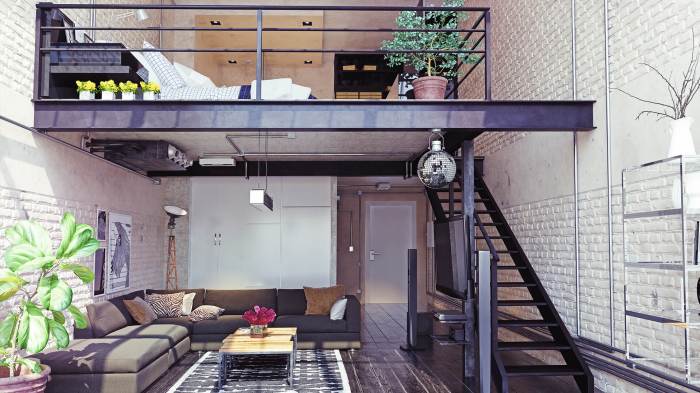
In summary, small house plans under 1000 sq ft are not only practical but also embody a lifestyle choice that values simplicity and sustainability. By embracing innovative design and efficient living solutions, these homes stand out as a testament to the idea that less can indeed be more. Whether you’re downsizing or seeking a simpler existence, these plans hold the promise of a fulfilling and manageable lifestyle.
Detailed FAQs
What are the benefits of living in a small house?
Living in a small house promotes a simpler lifestyle, reduces maintenance costs, and encourages sustainable living practices.
How can I maximize space in a small house?
Utilizing multi-functional furniture, open floor plans, and smart storage solutions can significantly enhance space efficiency.
Are small houses energy-efficient?
Yes, many small houses incorporate energy-efficient appliances and sustainable materials, leading to lower utility costs and a smaller environmental footprint.
What is the importance of home inspections for small houses?
Home inspections help identify potential issues that could impact safety and value, ensuring homeowners are aware of necessary repairs before purchase.
Can I customize a small house plan?
Absolutely! Many small house plans can be modified to fit personal preferences and lifestyle needs, allowing for unique touches.


