
Smart home floor plans are revolutionizing the way we think about living spaces by seamlessly integrating technology into our everyday environments. Imagine a home where your lights adjust automatically, your thermostat learns your preferences, and your security system keeps you connected—all designed with your comfort and efficiency in mind.
These innovative designs not only enhance convenience but also promote sustainability, with features that optimize energy use and connect various smart devices. As we delve into the world of smart home floor plans, we’ll explore their unique characteristics, design considerations, and how they can create a truly modern living experience.
Smart Home Floor Plans Overview
Smart home floor plans are innovative designs that seamlessly integrate technology into the living environment, enhancing comfort, security, and efficiency. These plans are tailored to incorporate smart devices that can be controlled remotely or programmed to respond automatically to various conditions, making homes more responsive to the needs of their occupants. Homeowners can experience significant convenience and cost savings through the strategic use of smart technologies.The primary distinction between smart home designs and traditional floor plans lies in the incorporation of technology that promotes automation and connectivity.
Smart home floor plans emphasize open spaces that facilitate the wiring and setup of smart devices, often featuring centralized control hubs for easy management. In contrast, traditional layouts focus mainly on room function without a technological integration perspective.
Key Features of Smart Home Floor Plans
Smart home floor plans boast specific features that enhance their functionality and user-friendliness. Understanding these features helps in appreciating the advancements in home design. Key elements include:
- Open Concept Layouts: These designs support flexible space usage and facilitate the installation of smart technology.
- Integrated Technology: This feature allows for seamless connections among devices, enabling a coordinated system across the home.
- Energy Efficiency: Smart floor plans can incorporate energy-efficient designs and devices, reducing energy consumption and costs.
- Enhanced Security Features: Smart locks, cameras, and alarm systems can be integrated into the floor plan for improved safety.
- Flexible Wiring Options: Planning for electrical and data wiring is critical in smart homes to accommodate various devices and systems.
Examples of Popular Smart Home Technologies
Integrating smart technologies into floor plans elevates the overall living experience. Here are some popular technologies that can be included:
- Smart Lighting: Systems like Philips Hue allow homeowners to control lighting remotely, set schedules, and create ambiance.
- Smart Thermostats: Devices such as the Nest Learning Thermostat optimize heating and cooling based on user behavior, promoting energy savings.
- Smart Security Cameras: Products like Ring or Arlo provide real-time monitoring and alerts, improving home security.
- Smart Speakers: Devices like Amazon Echo or Google Home serve as hubs for controlling other smart devices via voice commands.
- Smart Appliances: Refrigerators, ovens, and washers can be connected to the internet to enhance convenience, such as remote monitoring and management.
“Smart home technologies not only enhance the way we live but also contribute to energy conservation and security.”
These technologies, when thoughtfully integrated into smart home floor plans, create a cohesive living environment that is both functional and enjoyable, setting a new standard for modern living.
Designing Smart Home Floor Plans
Designing an efficient smart home layout involves a careful blend of aesthetics, functionality, and technology. The goal is to create a space that enhances daily living through smart devices while ensuring the layout supports seamless connectivity and usability. A well-thought-out floor plan is key to maximizing the benefits of smart technology in your home.When embarking on the design of a smart home, it is essential to consider how each space in your home will be used.
This means evaluating not just the placement of smart devices, but also how the overall layout facilitates a cohesive, user-friendly environment.
Layout Optimization for Smart Devices
Optimizing space for smart devices and systems is critical in ensuring their effectiveness. Here are some important points to keep in mind during the design process:
- Central Location for Smart Hubs: Positioning central hubs in a strategic location can reduce connectivity issues and enhance communication between devices. Ideally, this should be a neutral, central spot in your home, such as a living room or hallway.
- Consider Wireless Connectivity: As many smart devices rely on Wi-Fi, ensure that your layout allows for strong signal distribution. Avoid placing heavy furniture or appliances that could obstruct the signal between devices.
- Space for Expansion: Design your floor plan with future upgrades in mind. Allocate space for additional devices, such as smart security systems or home entertainment options, that can be easily integrated later on.
- Accessibility: Devices should be easily accessible for everyday use. For instance, smart light switches should be positioned near entry points for convenient control.
Connecting Smart Technologies
Connecting various smart technologies throughout the home requires thoughtful planning. Ensuring compatibility and reliable communication between devices is vital for a functioning smart home ecosystem. Here are key considerations:
- Device Compatibility: Before purchasing devices, check that they are compatible with your chosen smart home platform, such as Amazon Alexa, Google Home, or Apple HomeKit. This prevents future integration issues.
- Use of Automation: Consider how automation can streamline your daily routines. For example, setting up routines that adjust lighting and temperature when you arrive home enhances comfort and efficiency.
- Smart Energy Management: Incorporate energy-efficient devices that can adjust power usage based on occupancy and time of day. Smart thermostats and lighting systems can significantly reduce energy costs.
- Security Integration: Ensure that security systems, such as smart cameras and alarms, are integrated with other smart home technologies for a unified experience. This allows for seamless monitoring and control from a single platform.
“An efficient layout not only enhances the aesthetic appeal of a smart home but also ensures that technology works harmoniously to improve everyday living.”
Home Furniture and Smart Homes
The integration of smart technology in homes has transformed the way we live, work, and interact with our environments. A pivotal component of this transformation is the selection of furniture, which can significantly enhance or hinder smart home functionality. The right furniture not only complements the aesthetic of a smart home but also optimizes the use of technology embedded within the living space.The choice of furniture in a smart home goes beyond mere aesthetics; it plays a crucial role in ensuring seamless interaction with smart devices.
Furniture can influence the placement and operation of devices, thereby impacting the overall smart home experience. For instance, the layout of furniture can dictate how effectively smart lighting and automated systems function within a space. By considering connectivity and accessibility, smart homes can be designed for maximum efficiency and comfort.
Furniture that Complements Smart Home Technology
Selecting the right pieces of furniture can enhance the usability of smart home devices, enabling a harmonious interplay between comfort and technology. Here is a list of furniture types that work well with smart home systems:
- Smart Desks: These often feature built-in charging stations and connectivity ports, ideal for remote work setups.
- Adjustable Beds: Many now come with integrated smart technology for personalized comfort settings and health tracking.
- Modular Couches: These can be rearranged easily to accommodate different activities or devices, enhancing versatility.
- Smart Coffee Tables: Some models include wireless charging pads and Bluetooth speakers for a multifunctional living area.
- Ergonomic Office Chairs: Offers support during long hours of working with smart devices, enhancing productivity and health.
The integration of these furniture types not only improves the functionality of smart home technology but also promotes a more organized and efficient living space.
Importance of Ergonomic Furniture in a Smart Living Environment
The significance of ergonomic furniture in a smart home cannot be overstated. As smart technology often promotes extended periods of use, having furniture that supports good posture and comfort becomes essential. Ergonomic designs help in reducing the risk of strain and injuries, particularly for those who frequently engage with technology in their homes.Investing in ergonomic furniture not only enhances comfort but also increases productivity and well-being.
For example, an ergonomic office chair can provide lumbar support, which is crucial for anyone working from home. Coupled with smart desks that adjust to different heights, individuals can switch between sitting and standing, promoting better circulation and reducing fatigue.
“Good ergonomic design can significantly improve the quality of life at home, making the interaction with smart technology more enjoyable and less taxing on the body.”
Incorporating ergonomic furniture in smart living spaces allows homeowners to fully leverage the capabilities of modern technology while maintaining their health and comfort. By focusing on thoughtful furniture selection, smart home functionality can be both enhanced and enjoyed.
Green Living in Smart Home Designs
Smart home designs are revolutionizing the way we think about energy consumption and environmental impact. By integrating technology into architectural plans, homeowners can create spaces that not only enhance comfort but also prioritize sustainability. This is especially vital as the world increasingly turns its attention toward combating climate change and reducing carbon footprints.Smart home floor plans can significantly promote energy efficiency and sustainability by utilizing innovative designs and advanced technologies that reduce energy consumption.
For instance, strategically placing windows for natural lighting minimizes the need for artificial light during the day, while open layouts allow air to circulate freely, reducing the reliance on heating and cooling systems. Additionally, smart appliances and systems can automatically adjust their energy use based on real-time data, ensuring that energy is only consumed when needed.
Integration of Renewable Energy Sources
Incorporating renewable energy sources into smart home layouts is a key aspect of modern sustainable design. This integration not only reduces electricity bills but also contributes to a greener planet. Here are some common renewable energy sources that can be effectively utilized in smart homes:
- Solar Panels: Photovoltaic systems convert sunlight into electricity, which can be used to power the home or charge electric vehicles. This sustainable energy source significantly lowers dependence on fossil fuels.
- Wind Turbines: Small-scale wind turbines can be installed in suitable locations to harness wind energy, providing an additional source of renewable electricity.
- Geothermal Heating and Cooling: Utilizing the earth’s constant underground temperature, geothermal systems can provide efficient heating in winter and cooling in summer, leading to substantial energy savings.
Smart Technologies Enhancing Green Living
Smart technologies play a crucial role in enhancing green living within smart homes. By integrating these technologies, homeowners can monitor and control their energy usage more effectively. Some essential smart technologies include:
- Smart Thermostats: These devices learn homeowners’ habits and preferences, automatically adjusting heating and cooling settings for maximum efficiency and comfort. For example, a smart thermostat can reduce heating when no one is home and preheat the house before occupants return.
- Energy Monitors: Smart energy monitors track real-time energy consumption and provide insights into usage patterns. Homeowners can identify energy hogs and make informed decisions to reduce waste.
- Smart Lighting Systems: LED bulbs connected to smart systems can adjust brightness based on natural light levels and occupancy, ensuring that lights are only on when necessary.
Integrating smart technologies not only enhances convenience but also plays a pivotal role in reducing energy consumption and promoting a sustainable lifestyle.
Heating and Air Conditioning Considerations
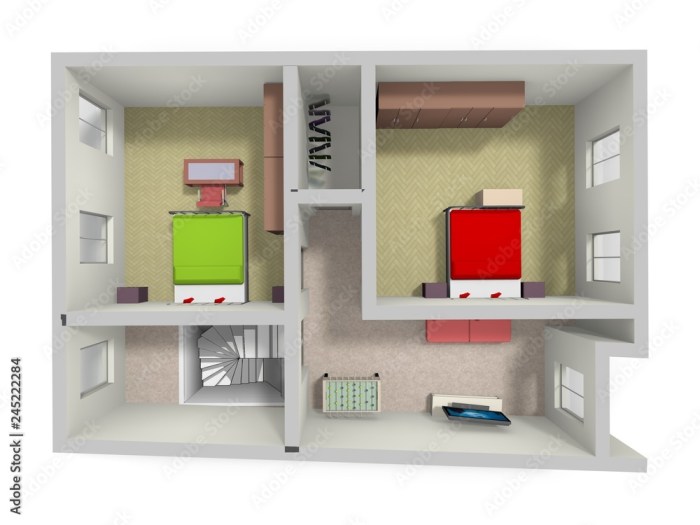
Incorporating effective heating and air conditioning systems in smart home floor plans is essential for achieving optimal comfort and energy efficiency. Smart HVAC systems not only enhance the living experience but also contribute to significant energy savings, making them a critical element in modern home design. Understanding the various components and technologies involved can help homeowners design a more sustainable and comfortable environment.Smart HVAC systems are designed to optimize heating and cooling based on real-time data and user preferences.
These systems can include advanced features such as variable speed fans, zoning capabilities, and remote monitoring. The benefits of smart HVAC systems are numerous, including improved indoor air quality, lower energy consumption, and enhanced control over home temperature settings.
Incorporating Heating and Cooling Zones
Creating heating and cooling zones within a smart home is an effective way to maximize comfort while minimizing energy usage. Zoning allows different areas of the home to be heated or cooled independently, catering to individual preferences and usage patterns. The following points highlight methods for successful zoning integration:
- Utilize smart vents and dampers to control airflow in specific rooms, allowing for personalized climate control without affecting the entire home.
- Implement programmable thermostats in each zone to schedule heating and cooling based on occupancy, ensuring that energy is not wasted when rooms are unoccupied.
- Incorporate temperature sensors in various areas to monitor and adjust the climate based on real-time conditions and preferences.
- Consider radiant floor heating systems in zones that require a consistent temperature, particularly in colder areas such as bathrooms or basements.
- Designate common areas with a separate climate control system to accommodate large gatherings while maintaining efficiency in less utilized spaces.
Integration of smart thermostats plays a significant role in energy savings and convenience. These devices allow homeowners to manage their HVAC systems remotely via smartphone apps, providing greater flexibility and accessibility.
Impact of Smart Thermostats on Energy Savings
Smart thermostats can lead to substantial reductions in energy bills through their advanced algorithms and learning capabilities. Here are key factors that showcase their impact on energy savings:
- Adaptive Learning: Smart thermostats learn user behavior over time and automatically adjust settings to optimize comfort and efficiency.
- Energy Usage Reports: Many smart thermostats provide detailed energy consumption reports, helping users identify patterns and adjust habits to save on energy costs.
- Remote Access: The ability to control heating and cooling systems from anywhere allows users to turn off systems when not at home, preventing unnecessary energy expenditure.
- Geofencing Technology: Smart thermostats can detect when homeowners are approaching or leaving the house, adjusting temperatures accordingly to conserve energy.
- Integration with Other Smart Devices: When paired with other home automation systems, smart thermostats can enhance overall energy management, coordinating with lights and appliances to optimize usage.
Implementing smart HVAC systems and integrating heating and cooling zones with smart thermostats not only contributes to a more comfortable living environment but also promotes energy efficiency, aligning with green living principles in smart home designs.
Importance of Home Inspections in Smart Home Planning
As smart home technology continues to advance, the integration of these innovative systems into existing homes requires careful consideration and assessment. Home inspections play a crucial role in determining a property’s readiness for smart technologies. A thorough inspection not only identifies existing issues but also evaluates the compatibility of various smart systems with the home’s infrastructure.In the context of smart home planning, home inspections help ensure that electrical systems, internet connectivity, and physical spaces are suitable for modern smart devices.
They serve as a foundational step in identifying necessary upgrades or adjustments to facilitate seamless integration of smart technologies.
Key Areas to Evaluate During a Home Inspection
To effectively assess a home’s readiness for smart technology, certain critical areas should be evaluated during the inspection process. This checklist serves as a guideline for homeowners and inspectors alike:
- Electrical Systems: Ensure the electrical panel is up to code and can handle additional loads from smart devices.
- Wiring Condition: Inspect for any outdated or damaged wiring that may not support modern smart technology.
- Internet Connectivity: Assess the strength and coverage of Wi-Fi signals throughout the home, as smart devices rely heavily on internet access.
- Heating and Cooling Systems: Evaluate compatibility with smart thermostats and sensors to optimize energy efficiency.
- Home Security Features: Check for existing security systems and their potential integration with smart home devices.
- Space for Devices: Consider the layout and available space for installing smart devices, especially in smart kitchens and living areas.
Identifying these areas not only helps in planning for smart technology integration but also uncovers potential problems that could impede installation.
Potential Issues in Integrating Smart Systems
Integrating smart systems into existing structures can present several challenges that need to be addressed. Homeowners and planners should be aware of the following potential issues:
1. Incompatible Wiring
Older homes may have wiring that is not compatible with current smart technology, requiring significant upgrades.
2. Insufficient Bandwidth
Homes with limited internet speed may struggle to support multiple smart devices, leading to connectivity issues.
3. Structural Limitations
Some existing homes may not have the necessary infrastructure to support the installation of smart technologies, particularly in areas like HVAC systems or security measures.
4. Device Overload
Overloading the electrical system with too many devices can lead to circuit issues and potential fire hazards.
5. Lack of Professional Guidance
Homeowners may attempt DIY installations without adequate knowledge, leading to malfunctions or safety hazards.
It’s vital to conduct a comprehensive home inspection to identify and mitigate these issues before integrating smart technologies.
House Plans for Smart Homes
In the evolving landscape of modern architecture, house plans specifically designed for smart homes are becoming increasingly popular. These plans not only focus on aesthetics but also integrate advanced technologies that enhance the living experience. With the right architectural design, homeowners can achieve a seamless blend of functionality, comfort, and innovation in their spaces.
Architectural designs that cater to smart living are characterized by the incorporation of technology into the very framework of the home. These designs prioritize open layouts, flexible spaces, and optimum connectivity to facilitate the integration of smart devices. Embracing natural light and sustainable materials also plays a crucial role in enhancing the overall efficiency of smart homes.
Popular Architectural Styles for Smart Homes
When considering house plans that complement smart home features, several architectural styles stand out. Each of these styles enhances connectivity and functionality, making them ideal for integrating smart technologies. Below are some prominent styles that effectively cater to smart living:
- Modern Minimalist: This style emphasizes simplicity and clean lines, which allow for unobtrusive wiring and the integration of smart devices. Large windows and open spaces enhance natural lighting while promoting energy efficiency.
- Contemporary: Contemporary designs often incorporate flexible spaces and materials that adapt to changing technologies. Features like smart glass and automated shading systems can be easily integrated into these plans.
- Smart Craftsman: This style merges traditional craftsmanship with modern technology. With built-in energy-efficient systems and wired solutions, homes can maintain their charm while offering cutting-edge functionality.
- Eco-Friendly Designs: Sustainable architecture focuses on energy efficiency and environmental impact. Smart homes can enhance this with smart thermostats, energy monitoring systems, and rainwater collection technologies.
Trends Enhancing Smart Living
Several trends in architectural design are enhancing the feasibility and appeal of smart homes. These trends focus not only on aesthetics but also on integrating technology that fosters convenience and sustainability.
- Open Floor Plans: These layouts facilitate easy movement and reduce barriers for integrating smart devices, allowing for more fluid control of home systems.
- Multi-Functional Spaces: Homes that can adapt to various uses—such as home offices that double as guest rooms—promote the integration of technology across different areas.
- Smart Outdoor Spaces: Innovations like smart gardens and outdoor entertainment systems enhance the living experience and integrate seamlessly with interior smart technology.
- Health-Conscious Features: Designs incorporating air purification systems, smart lighting, and wellness technology are becoming prevalent, emphasizing the importance of health in living environments.
Examples of Successful Smart Home Plans
Many architects and builders are successfully incorporating smart technologies into their house plans. Below are a few notable examples that exemplify the potential of smart home features:
- Google’s Smart Home at the Googleplex: This project showcases various smart technologies integrated into a cohesive living space, featuring automated lighting, energy controls, and smart appliances.
- The Dell Smart Home: Designed for efficiency, this home includes advanced security systems, climate control, and integrates various smart home apps for user-friendly operation.
- Smart Home by KB Home: This model promotes energy efficiency with solar panels, smart thermostats, and automated HVAC systems that can be controlled remotely.
- Living Home in Los Angeles: A blend of modern design and smart technology, this home features advanced energy management systems and smart appliances that significantly reduce energy consumption.
Conclusion
In summary, smart home floor plans represent a significant leap towards a more efficient and comfortable way of living. By thoughtfully incorporating technology into our homes, we can enjoy increased convenience, improved energy efficiency, and a design that truly fits our lifestyle. As technology continues to evolve, so too will the possibilities for creating smart spaces that cater to our needs.
Helpful Answers
What are smart home floor plans?
Smart home floor plans are architectural layouts that integrate smart technologies throughout the living space for enhanced convenience and efficiency.
How do smart home floor plans improve energy efficiency?
They incorporate features such as smart thermostats and energy monitors that optimize energy use and promote sustainable living.
Can any home be converted into a smart home?
Yes, most homes can be retrofitted with smart technologies, but the extent of integration may depend on the existing infrastructure.
What furniture works best in a smart home?
Ergonomic and space-efficient furniture that accommodates technology and promotes comfort is ideal for smart homes.
Are smart home floor plans more expensive?
Initial costs may be higher, but the long-term savings on energy bills and increased home value often offset the investment.


