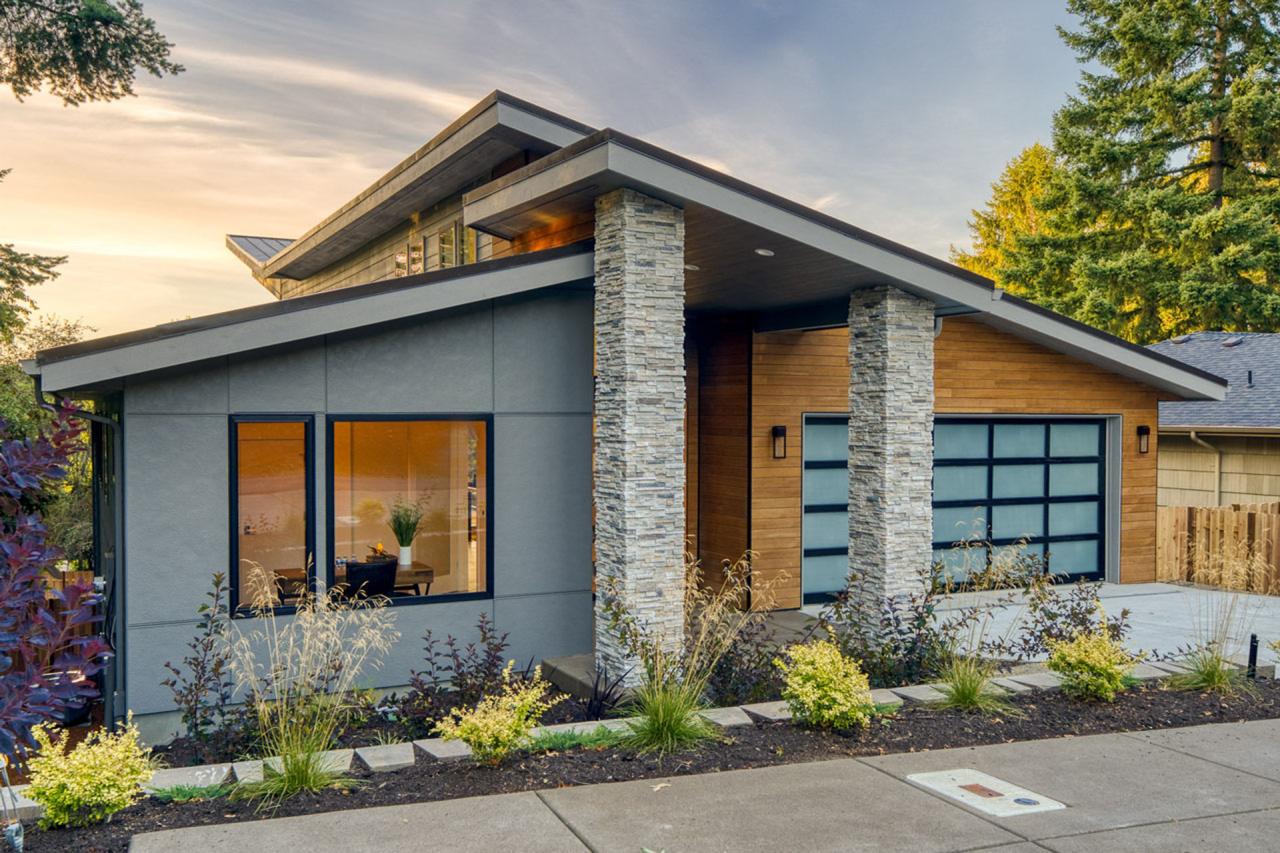
Sloped lot house plans are more than just architectural blueprints; they are innovative solutions that embrace the natural contours of the land. With an increasing number of homeowners opting for unique terrains, understanding how to design effectively for slopes has become essential. These plans not only enhance aesthetic appeal but also offer practical benefits for maximizing space and views.
Building on a slope presents its own set of challenges, from ensuring proper drainage to optimizing natural light. Whether you’re drawn to modern designs or rustic aesthetics, sloped lot house plans open a world of possibilities for creative living. Exploring the right design elements can significantly elevate the functionality and appeal of your home.
Overview of Sloped Lot House Plans
Sloped lot house plans represent a pivotal aspect of modern architecture, primarily due to their ability to harmonize structures with the natural terrain. Building on a slope not only poses unique design challenges but also offers remarkable opportunities for creativity and innovation in residential architecture. These plans are increasingly sought after as homeowners desire properties that take full advantage of scenic views and the natural landscape.Constructing homes on sloped lots often comes with an array of challenges, including site grading, drainage management, and ensuring structural integrity.
However, the benefits are equally notable. Elevated positions can provide stunning vistas, enhanced natural light, and the potential for outdoor living spaces that seamlessly blend with the environment. Sloped designs often lead to distinctive architectural forms that can enhance the aesthetic appeal of a neighborhood.
Design Styles Suited for Sloped Lots
Certain architectural styles are particularly well-adapted for sloped lots, allowing builders to maximize the land’s potential while addressing the inherent challenges. These styles include:
- Contemporary Architecture: This style often features large windows and open spaces, encouraging a connection with the outdoors. The use of natural materials can enhance the home’s integration into the landscape.
- Split-Level Homes: Split-level designs capitalize on the terrain by incorporating multiple levels that follow the slope of the land. This layout offers both privacy and space efficiency.
- Cottage Styles: Cottages can be charmingly nestled into the hillside, making use of the natural slope to create cozy nooks and outdoor terraces that invite relaxation.
- Modern Farmhouse: Characterized by wide porches and gabled roofs, this style blends traditional aesthetics with modern functionality, often incorporating large windows to capture views.
The adaptability of these designs illustrates how a thoughtful approach to architecture can lead to functional and beautiful homes on sloped lots. By embracing the landscape rather than fighting against it, architects and homeowners alike can create spaces that are not only livable but also enhance the natural beauty of the surrounding area.
“Building on a slope allows for unique architectural expressions that make the most of natural light and views.”
Design Considerations for Sloped Lots
When planning a house on a sloped lot, several design considerations come into play that can significantly influence both aesthetics and functionality. Building on a slope presents unique opportunities and challenges that need thoughtful strategies to maximize the advantages and mitigate the downsides. Key elements such as orientation, structural stability, natural light, views, drainage, and landscaping become critical to the success of the project.One of the primary elements in designing for sloped lots is to enhance the connection between the indoor and outdoor environments.
This involves strategic planning around views and natural light, which can dramatically improve the living experience. A well-designed sloped home can capitalize on the landscape, providing breathtaking panoramas and optimal sunlight throughout the day.
Maximizing Views and Natural Light
Integrating views and natural light into the design of homes on sloped lots is essential for creating inviting spaces. Proper orientation and design choices can optimize both elements. Consider the following strategies:
- Use of Large Windows: Implementing large windows and glass doors can open up interiors to expansive views and allow an abundance of natural light to flood the space. This also helps frame the landscape as part of the interior decor.
- Terracing and Multi-Level Designs: Multi-story designs and terraced layouts can provide varying viewpoints from different levels of the home while ensuring that each floor has ample sunlight exposure.
- Overhangs and Awnings: Incorporate overhangs and awnings to control sunlight and prevent glare, ensuring that spaces remain bright without overheating during the summer months.
- Skylights: Strategically placing skylights can further enhance natural light, particularly in areas that may not have access to windows due to the slope.
Importance of Drainage and Landscaping
Drainage and landscaping are critical elements in the construction of homes on sloped lots. Effective water management is essential to prevent erosion and water damage. Here’s why these aspects matter and how to approach them:
- Proper Drainage Systems: Incorporating a comprehensive drainage system is vital to manage runoff and direct water away from the foundation. This could involve French drains, swales, and retaining walls that guide water flow effectively.
- Landscaping for Erosion Control: Utilizing native plants and ground cover can help stabilize the soil and reduce erosion. This creates a sustainable landscape while enhancing the property’s aesthetic appeal.
- Bio-Retention Areas: Creating bio-retention areas can manage stormwater more sustainably, allowing for natural filtration and absorption into the ground, reducing surface runoff.
- Strategic Planting: Planting trees and shrubs at various tiers can further enhance stability on slopes and provide windbreaks, privacy, and shade, optimizing the home’s comfort levels.
“Designing for a sloped lot requires a synergy between architecture and landscape, ensuring that both elements contribute to a cohesive and functional living space.”
Incorporating these design considerations ensures that homes on sloped lots are not only beautiful and functional but also resilient against potential environmental challenges.
Home Furniture for Sloped Lot Houses
Designing the interior of a sloped lot house involves more than just selecting a floor plan; it requires careful consideration of furniture that complements the unique architecture. The right furniture not only enhances aesthetics but also improves functionality in spaces that may be oddly shaped or multi-leveled. Here, we explore various furniture styles, space-saving solutions, and tips for optimal furniture arrangement to make the most of your sloped lot home.
Furniture Styles That Complement Sloped Homes
Selecting furniture that aligns with the architectural style of a sloped lot house creates a harmonious living environment. Consider the following furniture styles that are particularly well-suited for these homes:
- Modern Minimalism: Characterized by clean lines and open spaces, modern minimalist furniture helps create a sense of spaciousness, making it ideal for sloped homes. Pieces like low-profile sofas and transparent coffee tables lend an airy feel.
- Mid-Century Modern: This style features organic forms and tapered legs, perfect for maximizing visual space in sloped areas. The classic designs blend well with both contemporary and traditional elements, adding warmth and character.
- Scandinavian Design: Known for its functionality and simplicity, Scandinavian furniture emphasizes natural materials and light colors, which can enhance the beauty of natural light streaming into sloped spaces.
Space-Saving Furniture Solutions for Multi-Level Living
In sloped lot houses, space can be at a premium, especially in multi-level living areas. Using space-saving furniture solutions is key to making the most of every square foot. Consider the following options:
- Multi-Functional Sofas: Look for sofas that convert into beds or feature storage compartments to save space and provide flexibility for guests.
- Foldable Tables: Tables that can be extended or collapsed as needed allow for dynamic use of dining or workspaces, adapting to both casual and formal settings.
- Wall-Mounted Shelves: These shelves free up floor space while providing ample storage and display options, perfect for showcasing books and decor.
Arranging Furniture to Optimize Flow and Functionality
The arrangement of furniture in a sloped lot home impacts both flow and functionality. Here are some tips to ensure an optimal layout:
- Define Zones: Use furniture to create distinct areas for living, dining, and work. For instance, a sectional can define a cozy living area while a dining table can anchor the eating space.
- Utilize Vertical Space: In homes with sloped ceilings, consider tall bookcases or vertical storage solutions to draw the eye upward and make the most of the volume.
- Keep Pathways Clear: Ensure that furniture arrangements allow for easy movement between rooms. Avoid placing large pieces in high-traffic areas to maintain flow.
Optimal furniture arrangement not only enhances the aesthetics of sloped spaces but also improves the overall functionality of the home.
Green Living on Sloped Lots
Building on sloped lots presents unique opportunities for sustainable living. With the right design and materials, homeowners can create eco-friendly homes that blend harmoniously with the natural landscape. Embracing green practices not only minimizes environmental impact but also enhances the long-term value and livability of the property.Sustainable building practices for sloped properties can include techniques such as utilizing the natural topography for drainage, maximizing passive solar gain, and incorporating renewable energy sources.
These strategies not only reduce the ecological footprint of the home but also promote energy efficiency and comfort.
Sustainable Building Practices for Sloped Properties
The following practices are essential when constructing on sloped lots to ensure environmental responsibility:
- Passive Solar Design: Positioning windows and thermal mass elements to maximize sunlight exposure reduces reliance on artificial heating and cooling.
- Site Orientation: Aligning the house with the slope minimizes excavation and maximizes views while leveraging natural wind patterns for ventilation.
- Rainwater Harvesting: Implementing systems to collect and utilize rainwater for irrigation or household needs conserves water resources.
- Natural Drainage Systems: Designing landscaping that channels water away from the foundation and reduces soil erosion protects the integrity of the home and surrounding ecosystem.
Eco-Friendly Materials for Sloped Lot Constructions
Choosing the right materials is critical to ensuring that a home is sustainable and energy-efficient. Below is a list of eco-friendly materials that are particularly suitable for sloped lot constructions:
- Recycled Steel: Strong and durable, recycled steel reduces the need for new materials and is often used for framing and roofing.
- Bamboo: A rapidly renewable resource, bamboo is an excellent choice for flooring and other structural elements.
- Earth-Friendly Insulation: Materials such as cellulose or sheep’s wool provide excellent thermal insulation and are made from sustainable sources.
- Low-VOC Paints: These paints reduce indoor air pollution and are safer for both the environment and the occupants of the home.
Landscaping Strategies for Biodiversity and Erosion Control
Effective landscaping is essential for enhancing the ecological value of sloped properties. Sustainable landscaping can prevent erosion, promote biodiversity, and create a beautiful outdoor environment. Here are some strategies that can be applied:
- Native Plants: Incorporating native flora helps support local wildlife and reduces the need for irrigation and pesticides.
- Terracing: Creating terraces can effectively control erosion while maximizing usable outdoor space and planting areas.
- Mulching: Using organic mulch helps retain soil moisture, suppress weeds, and improve soil health as it decomposes.
- Rain Gardens: Installing rain gardens to collect stormwater runoff not only beautifies the landscape but also improves water quality and reduces erosion.
Heating and Air Conditioning for Sloped Homes
Heating, ventilation, and air conditioning (HVAC) systems play a critical role in maintaining comfort in any home, but they can be particularly challenging in sloped lot designs. The unique characteristics of these homes—such as varying elevations and layouts—demand specialized solutions to ensure efficient heating and cooling throughout the space. Addressing these HVAC challenges is essential for energy efficiency and maintaining a comfortable indoor climate.Sloped homes often encounter specific HVAC challenges due to their multi-level designs.
Uneven temperatures can result from the natural flow of hot air rising and cold air settling, leading to increased energy usage and discomfort in certain areas. To combat this, it’s important to implement systems that can effectively distribute air across multiple levels.
Energy-Efficient Heating and Cooling Systems
Selecting the right heating and cooling systems for sloped homes is crucial for ensuring energy efficiency while maintaining comfort. Here are several systems that are particularly effective for these designs:
- Multi-Zone Systems: These systems utilize multiple thermostats to control heating and cooling in different areas of the home, allowing for tailored comfort settings in various rooms.
- Geothermal Heat Pumps: Harnessing the earth’s natural heat, these systems offer an energy-efficient way to heat and cool homes, making them ideal for uneven landscapes.
- Ductless Mini-Split Systems: Providing flexibility, these systems eliminate the need for extensive ductwork and can be strategically placed in various zones to enhance comfort.
- High-Efficiency Furnaces and Air Conditioners: Investing in Energy Star-rated units reduces energy consumption while providing powerful heating and cooling capabilities.
- Smart Thermostats: These devices optimize HVAC usage by learning your schedule and adjusting settings accordingly, further enhancing energy savings.
Optimizing Ventilation in Homes with Varying Elevations
Effective ventilation is vital in sloped homes, where different elevations can impact air circulation significantly. Proper ventilation strategies not only enhance indoor air quality but also contribute to energy efficiency. The following methods can be employed to improve ventilation:
- Natural Ventilation: Utilizing windows and vents in higher elevations allows warm air to escape and cooler air to enter, promoting a natural airflow.
- Whole-House Fans: These fans can be installed to draw fresh air from outside and push stale air out, effectively cooling the home and reducing reliance on air conditioning.
- Properly Sized Ductwork: Ensuring that duct sizes are appropriate for the home’s layout prevents airflow restrictions, promoting even distribution of conditioned air.
- Air Filtration Systems: Advanced filtration systems can capture pollutants, enhancing overall air quality while also supporting the HVAC system’s efficiency.
“Investing in the right HVAC solutions not only enhances comfort but also significantly reduces energy costs in sloped homes.”
Home Inspections for Sloped Properties
When it comes to sloped properties, a thorough home inspection is crucial to ensure the structural integrity and livability of the home. The unique challenges posed by sloped lots necessitate an inspection checklist that accounts for potential issues that may not be as prevalent in traditional flat properties. Understanding these specific elements can save future homeowners from costly repairs or unsafe living conditions.One of the primary focuses during an inspection of sloped properties is the foundation.
Inspectors should closely examine the foundation for signs of shifting, cracking, or settling, as these can indicate serious structural problems exacerbated by the incline. Additionally, aspects such as wall stability, alignment, and the materials used in construction should be evaluated for durability and adherence to local building codes.
Structural Issue Identification
Identifying potential structural issues in sloped properties requires a keen eye and knowledge of specific indicators. Home inspectors should consider various factors to provide an accurate assessment of the property’s condition. The importance of assessing these structural elements can be highlighted through careful examination:
- Foundation Cracks: Inspect for horizontal or vertical cracks in the foundation walls. These could signify shifting soil or inadequate drainage.
- Settling Signs: Look for uneven floors, misaligned doors, or windows that stick, as these can indicate foundation settling.
- Wall Integrity: Check for bowing or leaning walls, especially in basements where lateral soil pressure can be significant.
- Roof Condition: Inspect the roof for sagging, which may indicate structural issues or poor drainage systems.
Importance of Drainage System Inspection
A well-designed drainage system is vital for maintaining the stability of sloped properties. Poor drainage can lead to water accumulation around the foundation, which can cause extensive damage over time. Home inspectors should evaluate the drainage systems in place to ensure they effectively channel water away from the home.Key considerations for assessing drainage systems include:
- Gutters and Downspouts: Ensure they are clear of debris and direct water away from the foundation.
- French Drains: Check the effectiveness of any installed French drains, making sure they are functioning properly and not clogged.
- Grading: Evaluate the lot’s grading to ensure that it slopes away from the house, preventing water from pooling around the foundation.
- Retention Ponds: If present, assess the condition of retention ponds to confirm they provide adequate water management without overflow risks.
“Proper drainage and a solid foundation are essential for the longevity and safety of sloped properties.”
Popular House Plans for Sloped Lots
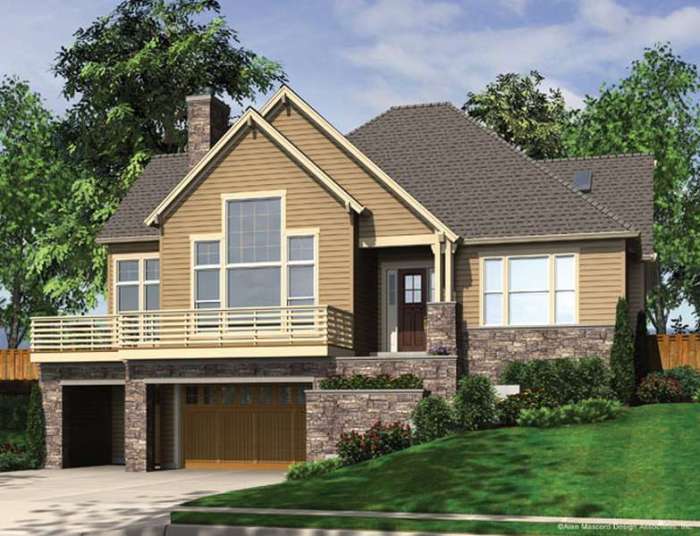
Building a home on a sloped lot presents unique opportunities for design and aesthetics, as the terrain can significantly influence architectural choices. Homeowners can capitalize on the elevation changes to create breathtaking views, unique layouts, and functional outdoor spaces. Here, we explore some popular house plans that are specifically designed for sloped terrains, highlighting features that make them suitable for such properties.
House Plans Tailored for Sloped Terrains
Choosing the right house plan for a sloped lot is essential to maximize the potential of the landscape while maintaining structural integrity. The following plans are well-suited for varying degrees of slopes, ensuring that homeowners can create a comfortable and appealing living space.
- Split-Level Homes: These homes are designed with staggered floor levels, taking advantage of the slope to provide separate living spaces without sacrificing connectivity. The distinct levels create dynamic architectural interest and can offer panoramic views from multiple rooms.
- Walkout Basements: This plan features a basement that opens directly to the outdoors, allowing for easy access to gardens or patios. The design is ideal for moderate slopes, as it provides additional living space while integrating seamlessly with the landscape.
- Cantilevered Homes: Utilizing structural engineering, cantilevered designs extend portions of the house over the slope, creating dramatic overhangs. This style not only provides breathtaking views but also helps in minimizing the footprint on the land, preserving the natural environment.
- Multi-Story Designs: A multi-story house can effectively adapt to steep slopes by terracing each level into the hillside. These homes often feature large windows and balconies that capitalize on the elevation, providing residents with expansive vistas.
- Contemporary Designs: Modern homes with open floor plans and large glass walls are particularly adaptable to sloped lots. These designs can follow the natural contours of the land, creating a harmonious blend between the interior and exterior spaces while maximizing natural light.
The adaptability of architectural styles plays a crucial role in the functionality and aesthetics of homes built on sloped lots.
Choosing the right design can enhance not just the beauty of the home but also its energy efficiency and functionality.
Incorporating elements that respond to the slope allows for a more dynamic living experience, encouraging homeowners to enjoy their unique locations. Integrating outdoor spaces such as decks and terraces with views of the surroundings can also enhance the overall enjoyment of the property.
Closure
In conclusion, sloped lot house plans combine innovation with practicality, allowing homeowners to make the most of their unique landscapes. By considering design elements, sustainable practices, and suitable furnishings, your home can reflect both beauty and functionality. Embrace the challenges of sloped living, and transform them into opportunities for a distinctive and eco-friendly lifestyle.
Answers to Common Questions
What are the benefits of building on a sloped lot?
Building on a sloped lot allows for better views, natural lighting, and unique architectural designs that can enhance the overall aesthetic of the home.
How do I ensure proper drainage on my sloped lot?
Implementing a well-designed drainage system, including swales and retaining walls, can help redirect water away from the foundation and prevent erosion.
What furniture styles work best in sloped homes?
Space-saving and modular furniture are ideal, as they can be easily arranged to fit the unique layouts of sloped homes, maximizing functionality.
Are there specific energy-efficient systems for sloped houses?
Yes, HVAC systems that adjust to multi-level homes, such as zoned heating and cooling, can enhance energy efficiency in sloped houses.
What should I look for in a home inspection for a sloped property?
Focus on drainage systems, foundation stability, and any signs of structural issues that may arise from the slope’s angle.


