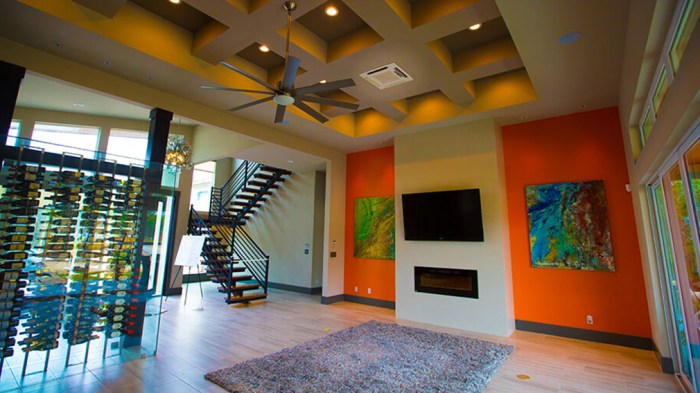
Indoor air quality solutions have become increasingly vital in our daily lives, especially as we spend more time indoors than ever before. The air we breathe inside our homes can significantly impact our health, productivity, and overall well-being. By understanding the common pollutants in our living spaces and exploring effective solutions, homeowners can create a cleaner and healthier environment for themselves and their families.
From the role of air purifiers to the benefits of certain houseplants, various strategies can enhance indoor air quality. This discussion will delve into practical tips and insights that promote better air quality, focusing on the importance of furniture choices, green living practices, and effective HVAC systems.
Importance of Indoor Air Quality
Indoor air quality (IAQ) plays a crucial role in our daily lives, directly affecting our health, well-being, and productivity. Poor indoor air quality can lead to a variety of health issues, from mild irritations to severe respiratory illnesses. Understanding the significance of maintaining good IAQ is essential for fostering a healthy living and working environment.The health impacts of poor indoor air quality are profound and varied.
Exposure to contaminated air can lead to respiratory diseases, cardiovascular problems, and even neurological disorders. Individuals with pre-existing conditions, children, and the elderly are particularly vulnerable to these effects. Symptoms such as headaches, fatigue, and allergic reactions can all arise from poor air quality, making it crucial to address any potential pollutants present in our indoor spaces.
Common Indoor Air Pollutants and Their Sources
Numerous pollutants can compromise indoor air quality, stemming from various sources around us. Understanding these pollutants is the first step in mitigating their effects.
- Volatile Organic Compounds (VOCs): Commonly found in paints, cleaning products, and air fresheners, VOCs can cause a range of health issues, from eye irritation to long-term neurological damage.
- Particulate Matter: Dust, pollen, and smoke can contribute to particulate matter in the air, which is linked to respiratory problems and cardiovascular diseases.
- Formaldehyde: Often released from furniture, building materials, and household products, formaldehyde exposure can lead to irritation of the eyes, skin, and respiratory tract.
- Carbon Dioxide: High levels of carbon dioxide can lead to drowsiness and decreased cognitive function, especially in poorly ventilated spaces.
- Mold and Mildew: These fungi thrive in damp environments and can lead to serious respiratory issues and allergic reactions.
The effects of indoor air quality extend beyond physical health; they can significantly impact overall well-being and productivity. Research has shown that improved air quality can enhance cognitive functions, mood, and overall comfort in both residential and occupational settings.
Impact on Overall Well-Being and Productivity
The relationship between indoor air quality and productivity is well-documented. A clean and well-ventilated environment fosters higher concentration levels and better overall performance. Poor air quality can lead to increased absenteeism and lower morale among employees, ultimately affecting the success of organizations.According to a study by Harvard University, improved ventilation and air quality in office settings led to a 61% increase in cognitive function scores among workers.
This demonstrates the tangible benefits of investing in indoor air quality solutions for both health and productivity.
“Improving indoor air quality not only enhances health outcomes but also significantly boosts productivity levels in work environments.”
Investing in indoor air quality solutions is essential not only for health but also for improving quality of life and productivity. Creating a healthy indoor environment can lead to a happier, more efficient, and engaged population, which is crucial in today’s fast-paced world.
Indoor Air Quality Solutions
Improving indoor air quality (IAQ) is essential for creating a healthy living and working environment. Effective solutions can significantly reduce airborne pollutants, enhance comfort, and contribute to overall well-being. Here are various methods to enhance the air quality within your indoor spaces.
Methods for Improving Indoor Air Quality
To achieve better indoor air quality, several strategies can be employed. These methods not only target the reduction of pollutants but also improve overall air circulation and humidity levels. Below are key methods that can be easily implemented:
- Regular Ventilation: Opening windows and using exhaust fans can improve air circulation, allowing fresh air to replace stale air, which reduces indoor pollutant levels.
- Air Purifiers: Utilizing high-efficiency particulate air (HEPA) purifiers helps remove dust, allergens, and other particulates from the air, significantly improving air quality.
- Humidity Control: Maintaining indoor humidity levels between 30-50% can prevent the growth of mold and dust mites, which thrive in damp conditions.
- Routine Cleaning: Regular cleaning of carpets, rugs, and upholstery reduces dust and dander accumulation, leading to cleaner air.
- Source Control: Identifying and eliminating sources of indoor pollution, such as tobacco smoke or volatile organic compounds (VOCs) from paints and cleansers, is crucial.
Role of Air Purifiers in Enhancing Air Quality
Air purifiers play a pivotal role in maintaining high indoor air quality. They function by filtering out harmful particles and allergens that can impact health. Many models are equipped with advanced filtration systems that can capture particles as small as 0.3 microns, including pollen, pet dander, and smoke.
“Air purifiers can reduce airborne contaminants, leading to a healthier indoor environment.”
When selecting an air purifier, consider factors such as the size of the room, the type of filter used, and the noise level. Some popular types of air purifiers include:
- HEPA Air Purifiers: Excellent for trapping allergens and fine particles.
- Activated Carbon Purifiers: Effective at absorbing odors and VOCs.
- UV Light Air Purifiers: Utilize ultraviolet light to kill bacteria and viruses.
Plants that Naturally Filter Indoor Air Pollutants
Certain houseplants are known for their ability to filter harmful indoor air pollutants. Incorporating these plants into your space can enhance aesthetic appeal while improving air quality.Some noteworthy examples include:
- Spider Plant: Effective at removing formaldehyde and other toxins.
- Pothos: Known for filtering out xylene, benzene, and formaldehyde.
- Sansevieria (Snake Plant): Converts CO2 into oxygen during the night, aiding air quality.
- Peace Lily: Effective in filtering ammonia, benzene, and formaldehyde.
Incorporating these plants not only contributes to cleaner air but also adds a touch of nature to indoor environments, promoting a sense of calm and tranquility. By implementing a combination of these solutions, one can effectively enhance indoor air quality and create a healthier living space.
Home Furniture and Indoor Air Quality
The impact of home furniture on indoor air quality is often overlooked, yet it plays a significant role in creating a healthy living environment. The materials used in furniture can emit volatile organic compounds (VOCs), which can degrade indoor air quality and affect overall health. Understanding how these materials influence air quality is essential for anyone looking to improve their home’s atmosphere.Furniture materials, including wood, upholstery, and adhesives, can release harmful VOCs into the air.
These compounds can come from finishes, paints, and the manufacturing processes used in making the furniture. Common materials like particleboard and some types of foam can off-gas significantly, contributing to indoor air pollution. Long-term exposure to elevated levels of VOCs has been linked to various health issues, such as respiratory problems, headaches, and even long-term neurological effects.
Benefits of Low-VOC Furniture
Choosing low-VOC furniture offers numerous advantages for enhancing indoor air quality and safeguarding health. Low-VOC furniture is crafted from materials that emit fewer harmful chemicals, making them a safer choice for homes, especially those with children or individuals with respiratory sensitivities. The following are key benefits of opting for low-VOC furniture:
-
Improved Indoor Air Quality:
With reduced chemical emissions, low-VOC furniture helps maintain cleaner air, enhancing overall comfort in your home.
-
Healthier Living Environment:
By minimizing exposure to toxic substances, low-VOC options can reduce the risk of headaches, allergies, and respiratory issues.
-
Better for the Environment:
Many low-VOC furniture options use sustainable materials and eco-friendly production methods, contributing to a healthier planet.
-
Enhanced Aesthetics:
Low-VOC furniture often comes in a variety of stylish designs, making it easier to find options that fit your home décor while maintaining health standards.
Tips for Selecting Healthier Furniture
When shopping for furniture, making informed choices can significantly enhance your indoor air quality. Here are some practical tips to help you select furniture that promotes a healthier indoor environment:It’s essential to consider specific criteria when shopping for new furniture to ensure it contributes positively to your home’s air quality:
- Look for labels such as
Greenguard
or
CertiPUR
that indicate low VOC emissions and safety standards.
- Choose solid wood furniture over particleboard or MDF, as these materials are less likely to emit harmful VOCs.
- Opt for natural fabrics like cotton, linen, or wool instead of synthetic materials that may contain treated chemicals.
- Avoid furniture that has strong chemical smells, as this often indicates high levels of VOCs being released.
Incorporating these tips can lead to a healthier home environment, where indoor air quality is prioritized, ultimately benefiting everyone’s well-being.
Green Living Practices
Embracing green living practices not only cultivates a healthier lifestyle but also significantly enhances indoor air quality. By making conscious choices about the materials and products we use daily, we can create an environment that supports our well-being. This involves integrating sustainable habits into our homes, affecting both the air we breathe and the overall health of our living spaces.One of the key components of a green lifestyle is the use of natural cleaning products.
Conventional cleaning supplies often contain harsh chemicals that can release volatile organic compounds (VOCs) into the air, contributing to indoor air pollution. When opting for natural alternatives, we can minimize these harmful emissions while still effectively maintaining cleanliness. Choosing products made from plant-based ingredients not only reduces chemical exposure but also supports eco-friendly manufacturing processes.
Strategies for Reducing Indoor Air Pollution
Implementing sustainable methods can greatly contribute to reducing indoor air pollution. Here are some effective strategies that align with a green lifestyle:
- Ventilation: Regularly open windows to allow fresh air to circulate, helping to dilute indoor pollutants and maintain a healthy atmosphere.
- Houseplants: Incorporate indoor plants known for their air-purifying qualities, such as spider plants, peace lilies, and snake plants, which can absorb harmful toxins.
- Limit Synthetic Materials: Choose furniture made from natural materials like wood or bamboo rather than synthetic alternatives that can emit harmful chemicals.
- Humidity Control: Maintain optimal humidity levels (between 30-50%) using dehumidifiers or humidifiers to prevent mold growth, which can adversely affect indoor air quality.
- Regular Maintenance: Schedule routine checks on HVAC systems and replace filters as needed to ensure air circulation remains clean and efficient.
Adopting these practices not only contributes to a healthier indoor environment but also promotes a sustainable lifestyle. Each small change can lead to significant improvements in air quality, benefiting both occupants and the planet.
Heating and Air Conditioning Systems
Heating, ventilation, and air conditioning (HVAC) systems play a crucial role in shaping the indoor air quality of our homes and workplaces. These systems regulate temperature and humidity, but their impact extends far beyond comfort; they can significantly affect the air we breathe. Properly functioning HVAC systems can help reduce pollutants, allergens, and humidity levels, making the indoor environment healthier.Regular maintenance of heating and air conditioning systems is essential to ensure they operate efficiently and effectively.
Neglecting routine care can lead to a buildup of dust, mold, and other contaminants that may circulate through the air. Routine checks, including changing filters and cleaning ducts, can prevent these issues from escalating. Additionally, scheduling professional inspections can uncover potential problems before they become significant health hazards.
Impact of HVAC Systems on Indoor Air Quality
The operation of HVAC systems directly influences indoor air quality through several mechanisms. For one, they can either introduce outdoor pollutants or circulate indoor contaminants. Ensuring these systems are equipped with quality filtration options is vital for trapping dust, pollen, and other particulate matter.
- Filtration Efficiency: Selecting systems with high-efficiency particulate air (HEPA) filters can drastically reduce the number of airborne particles. For example, HEPA filters can capture up to 99.97% of particles that are 0.3 microns in size, including many allergens and pollutants.
- Ventilation Rate: Properly designed HVAC systems should provide adequate ventilation to prevent the buildup of indoor air pollutants. This is especially critical in spaces where activities generate contaminants, such as kitchens and bathrooms.
- Humidity Control: Maintaining appropriate humidity levels (ideally between 30% and 50%) helps prevent mold growth and dust mite proliferation. HVAC systems that include humidifiers or dehumidifiers support this balance.
Regular Maintenance for Optimal Performance
To ensure HVAC systems contribute positively to indoor air quality, regular maintenance is non-negotiable. Consider the following maintenance practices:
- Filter Replacement: Change or clean filters every 1-3 months, depending on usage and type of filter. Clogged filters can restrict airflow and worsen air quality.
- Duct Inspection: Regularly inspect and clean ductwork to prevent mold and dust accumulation. This can significantly enhance the air quality as it reduces the amount of debris circulated through the HVAC system.
- Professional Tune-Ups: Schedule annual inspections with HVAC professionals to ensure all components are functioning correctly and efficiently. Technicians can identify and resolve potential issues before they lead to serious air quality problems.
Selecting Systems with Better Filtration Options
When choosing HVAC systems, considering filtration options is critical. Look for systems that:
- Offer HEPA or MERV-rated Filters: Systems that accommodate HEPA filters or those with a Minimum Efficiency Reporting Value (MERV) of 13 or higher are ideal for trapping smaller particles.
- Integrate UV Light Technology: Some systems come with UV light installations that help to disinfect the air by neutralizing bacteria and viruses, further enhancing indoor air quality.
- Feature Variable Speed Fans: These systems provide better air circulation and can adjust airflow based on the space’s needs, improving overall comfort and air quality.
Home Inspections for Air Quality
Conducting a home inspection focused on air quality is a critical step in ensuring a healthy living environment. Indoor air quality (IAQ) can significantly affect the health and well-being of residents, as pollutants can accumulate and create long-term issues. A thorough inspection can identify potential problems before they become serious health risks.The process of conducting a home inspection for air quality begins with a comprehensive review of the premises.
Inspectors assess various aspects such as ventilation, humidity levels, and potential sources of contamination. Utilizing specialized tools and techniques, they measure airborne pollutants, check for mold growth, and evaluate the performance of heating and cooling systems.
Common Signs of Poor Indoor Air Quality
Recognizing the signs of poor indoor air quality during an inspection is vital for taking proactive measures. Homeowners should be aware of the following indicators that can signal air quality issues:
- Unpleasant Odors: Persistent musty or chemical smells can indicate mold or the presence of volatile organic compounds (VOCs).
- Visible Mold Growth: Mold can appear on walls, ceilings, or around windows and is often a sign of excessive moisture and inadequate ventilation.
- Faulty HVAC Systems: Poorly maintained or malfunctioning heating and air conditioning systems can distribute pollutants throughout the home.
- Dust Accumulation: Excessive dust on surfaces can suggest poor filtration or air circulation issues.
- Health Symptoms: Frequent headaches, respiratory problems, or allergic reactions among residents may point to underlying air quality issues.
The importance of hiring professionals for thorough assessments cannot be overstated. Professionals are equipped with the expertise and advanced tools necessary to identify hidden problems that might go unnoticed during casual inspections. They can also provide recommendations for remediation and help homeowners navigate the complexities of indoor air quality management.
“Investing in a professional air quality inspection is an investment in your health and comfort.”
House Plans and Indoor Air Quality
The design of a home plays a pivotal role in determining the indoor air quality (IAQ) that occupants experience daily. Choices made during the architectural phase—ranging from the layout to the materials employed—can significantly affect how air circulates and how pollutants are managed within the living space. A well-thought-out house plan can promote healthier indoor environments, providing fresh air while minimizing the accumulation of harmful contaminants.Several factors in house design influence indoor air quality, with open floor plans emerging as a popular choice for promoting effective air circulation.
The absence of walls and barriers in these layouts allows for improved airflow, reducing the chances of stagnant air pockets where pollutants can accumulate. This design philosophy not only enhances the livability of spaces but also supports a holistic approach to air quality management.
Advantages of Open Floor Plans for Air Circulation
Open floor plans offer distinct benefits that enhance indoor air quality. These designs facilitate a more natural flow of air throughout the home, which is crucial for maintaining a healthy living environment. When spaces are interconnected, the movement of fresh air can effectively dilute indoor pollutants. The following points highlight the advantages of open floor designs:
- Improved Airflow: Open layouts allow air to circulate freely, reducing stagnation and promoting the dispersal of indoor pollutants.
- Natural Ventilation: Homes with fewer enclosed spaces can take advantage of natural breezes, enhancing ventilation without relying solely on mechanical systems.
- Flexible Space Usage: The absence of walls allows homeowners to rearrange furniture and use spaces in versatile ways, further aiding in airflow management.
- Enhanced Lighting: Increased exposure to natural light through open spaces not only improves mood but also influences air quality through a reduction in mold growth.
Designing spaces to optimize airflow and ventilation is essential for maintaining good indoor air quality. Certain strategies can be implemented during the planning and building phases to ensure that air circulates effectively:
- Strategic Window Placement: Positioning windows to face prevailing winds can enhance cross-ventilation, allowing fresh air to enter and stale air to exit efficiently.
- Use of Ceiling Fans: Incorporating ceiling fans can help facilitate air movement, especially in areas where natural airflow is limited.
- Incorporate Air Returns: Including ample air return ducts in heating and cooling systems can drastically improve how air circulates throughout the home.
- Ventilation Systems: Integrating mechanical ventilation systems, such as energy recovery ventilators (ERVs) or heat recovery ventilators (HRVs), can ensure constant fresh air supply while minimizing energy loss.
In summary, the design of a house has a profound effect on indoor air quality. By opting for open floor plans and implementing thoughtful ventilation strategies, homeowners can create healthier living environments that support the well-being of all occupants.
Outcome Summary
In conclusion, prioritizing indoor air quality solutions is essential for fostering a healthy and productive home environment. By implementing the strategies discussed, from selecting low-VOC furniture to maintaining effective HVAC systems, individuals can significantly reduce indoor pollutants. Embracing these practices not only enhances personal well-being but also contributes to a more sustainable lifestyle.
General Inquiries
What are the signs of poor indoor air quality?
Common signs include persistent allergies, headaches, fatigue, and musty odors.
How often should I change my air filters?
It is generally recommended to change air filters every 1-3 months, depending on usage.
Can indoor plants improve air quality?
Yes, certain indoor plants can help filter pollutants and improve air quality.
What are VOCs and why are they a concern?
VOCs, or volatile organic compounds, are harmful chemicals found in many household products, and they can negatively impact indoor air quality.
How can I maintain good indoor air quality?
Regular cleaning, proper ventilation, using air purifiers, and choosing low-VOC materials can help maintain good air quality.


