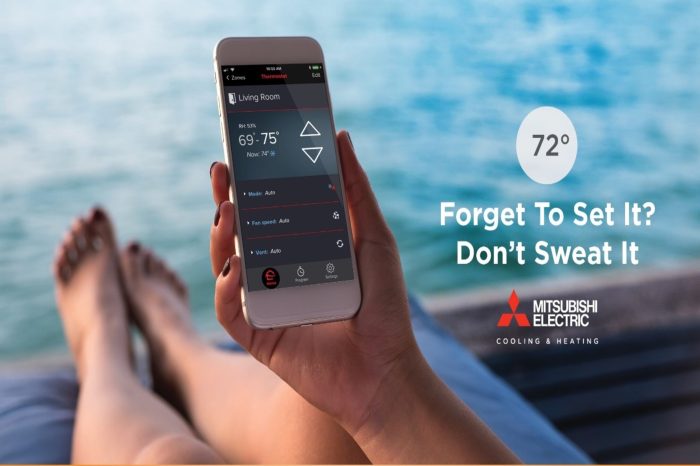
Smart HVAC automation is revolutionizing the way we manage our indoor environments. By integrating advanced technologies and efficient design, these systems not only enhance comfort but also promote energy savings and sustainability.
From smart thermostats to IoT connectivity, the components of Smart HVAC systems work seamlessly together to provide a tailored experience for homeowners. With an array of benefits, such as improved energy efficiency and better air quality, it’s no wonder that this technology is becoming a preferred choice for modern residences.
Smart HVAC Automation Overview
Smart HVAC automation represents a significant advancement in home climate control, combining traditional heating, ventilation, and air conditioning systems with smart technology. This integration allows for enhanced efficiency, user convenience, and improved indoor air quality. With the growing trend towards smart home devices, HVAC systems have evolved to meet modern demands for comfort and sustainability.Smart HVAC systems consist of various components that work together to create a seamless climate control experience.
Key components include smart thermostats, sensors, smart vents, and mobile applications. Smart thermostats, like the Nest or Ecobee, allow users to program settings remotely and adapt based on occupancy patterns. Sensors monitor temperature, humidity, and air quality, providing data that can optimize system performance. Smart vents can adjust airflow based on room occupancy, while mobile applications enable users to manage their HVAC settings from anywhere.
Components of Smart HVAC Systems
The effectiveness of smart HVAC automation relies heavily on its components, each playing a crucial role in the system’s overall performance. Understanding these components helps in recognizing how they contribute to energy efficiency and comfort:
- Smart Thermostats: Devices that learn user preferences and adjust heating and cooling automatically.
- Temperature and Humidity Sensors: Instruments that detect environmental changes, ensuring optimal indoor conditions.
- Smart Vents: Automated vents that regulate airflow based on room needs and occupancy, enhancing energy efficiency.
- Mobile Applications: Platforms that allow homeowners to monitor and control HVAC systems remotely, providing real-time updates and adjustments.
- Integrative Software: Systems that merge data from various components to streamline HVAC functionality and user interactions.
Benefits of Implementing Smart HVAC Automation
Integrating smart HVAC automation in residential settings offers a multitude of benefits that extend beyond mere convenience. These advantages encompass energy savings, comfort enhancement, and improved air quality.
- Energy Efficiency: Smart HVAC systems can significantly reduce energy consumption by optimizing heating and cooling based on real-time data, leading to lower utility bills.
- Enhanced Comfort: With personalized settings and responsive adjustments, residents can enjoy consistent and comfortable indoor temperatures year-round.
- Air Quality Monitoring: Advanced sensors provide insights into indoor air quality, alerting homeowners to issues such as high humidity or pollutants, which can be addressed proactively.
- Remote Access: Control systems remotely through mobile apps, allowing for adjustments even when away from home, enhancing flexibility.
- System Longevity: Continuous monitoring helps identify potential issues before they escalate, thus extending the lifespan of HVAC equipment.
“Smart HVAC automation not only enhances comfort and convenience but also fosters energy conservation and sustainable living.”
Technology Behind Smart HVAC Systems
The evolution of Smart HVAC systems is deeply intertwined with advancements in technology. This integration not only enhances energy efficiency but also elevates the comfort levels within residential and commercial spaces. Smart HVAC systems leverage cutting-edge technologies to provide users with a seamless and intuitive experience, aligning heating, cooling, and ventilation control with modern, smart home capabilities.At the core of Smart HVAC automation are several key technologies that work in concert to optimize performance and user experience.
These include sensors, cloud computing, machine learning, and, notably, the Internet of Things (IoT). Each of these components plays a vital role in how Smart HVAC systems function and interact with users and other devices.
Internet of Things and HVAC Systems
The Internet of Things (IoT) is a network of interconnected devices that communicate and exchange data with one another, providing enhanced functionality and convenience. In the realm of HVAC systems, IoT technology enables real-time monitoring and control of heating and cooling systems, significantly improving energy efficiency and user comfort.Smart HVAC systems equipped with IoT capabilities utilize various sensors placed throughout a property.
These sensors gather data on temperature, humidity, occupancy, and air quality. This data is then transmitted to cloud-based platforms, allowing users to monitor and manage their HVAC systems from anywhere via smartphones or computers.The importance of IoT in HVAC systems is underscored by several key benefits, including:
- Remote Access: Users can control their HVAC systems remotely, adjusting temperatures and settings based on current needs, even while away from home.
- Automated Adjustments: The system can automatically adjust settings based on real-time data, optimizing energy usage and maintaining comfort levels.
- Predictive Maintenance: IoT-enabled sensors can alert users to potential issues before they escalate, reducing downtime and maintenance costs.
- Enhanced Energy Efficiency: By analyzing data trends, the system can identify inefficiencies and suggest adjustments to save energy and costs.
Software Applications for Managing Smart HVAC Systems
To effectively manage Smart HVAC systems, various software applications come into play. These applications are designed to optimize system performance, provide user-friendly interfaces, and offer analytics for energy consumption and efficiency.Significant software applications used in Smart HVAC management include:
- Building Management Systems (BMS): These systems integrate various building functions, including HVAC, lighting, and security, providing centralized control and monitoring.
- Mobile Apps: Many Smart HVAC manufacturers offer mobile applications that allow users to control their systems remotely, receive alerts, and analyze energy consumption patterns.
- Energy Management Software: This software helps users track energy usage, set goals, and analyze data to optimize energy efficiency across HVAC systems.
- Cloud-Based Solutions: These platforms store and analyze data from HVAC systems, providing insights and predictive analytics to enhance performance and reduce costs.
The integration of these technologies and software applications ensures that Smart HVAC systems are not only efficient but also adaptable to the unique needs of each environment. As technology continues to evolve, the potential for Smart HVAC systems to improve both energy efficiency and user experience will only grow, leading to smarter and more sustainable living and working environments.
Energy Efficiency and Savings
Smart HVAC automation systems are designed not only to provide comfort but also to enhance energy efficiency and drive significant savings on utility bills. By employing advanced technology, these systems intelligently manage heating, cooling, and ventilation based on real-time data, ensuring that energy is used effectively and sustainably.Calculating energy savings from Smart HVAC systems involves several methods that can yield valuable insights into efficiency gains.
One common approach is to compare energy usage before and after the installation of a Smart HVAC system. This often includes measuring the change in kilowatt-hours (kWh) consumed, factoring in external variables such as weather patterns and occupancy levels. Additionally, benchmarking against similar buildings can provide a relative assessment of energy performance.
Methods for Calculating Energy Savings
Understanding how to calculate energy savings is critical for evaluating the effectiveness of Smart HVAC systems. Here are a few methods that can be employed:
- Baseline Energy Consumption: Establish a baseline by measuring energy consumption over a specific period before implementing a Smart HVAC system. This provides a reference point for comparison.
- Post-Implementation Assessment: Measure energy consumption after the installation of the Smart system over the same duration to gauge savings accurately.
- Energy Use Intensity (EUI): Calculate the energy use intensity, which is the energy consumed per square foot. Comparing the EUI before and after implementation offers a clear picture of efficiency improvements.
- Degree Days Analysis: Use heating and cooling degree days to normalize energy consumption based on climate variations, ensuring that comparisons account for weather impacts.
Examples of Energy-Efficient Practices
Smart HVAC systems promote various energy-efficient practices that can lead to substantial savings. Here are a few notable examples:
- Smart Scheduling: These systems allow users to set custom schedules based on occupancy, ensuring heating and cooling are only active when necessary.
- Zone Control: Automated zoning helps to heat or cool specific areas of a building as needed, rather than treating the entire space uniformly, maximizing efficiency.
- Real-Time Monitoring: Continuous monitoring of system performance enables proactive maintenance, reducing the chances of energy wastage due to equipment malfunction.
- Demand Response Programs: Participation in utility demand response initiatives allows systems to automatically adjust energy use during peak periods, reinforcing energy conservation.
Contribution to Reducing Carbon Footprints
Smart HVAC systems play a pivotal role in minimizing carbon footprints, a significant aspect of combating climate change. By enhancing energy efficiency, they contribute to a reduction in greenhouse gas emissions associated with energy production.
“By optimizing energy use, Smart HVAC systems can cut carbon emissions significantly, aligning with global sustainability goals.”
The integration of renewable energy sources, such as solar or wind, with Smart HVAC systems further amplifies their environmental benefits, as these systems can adjust operations based on the availability of clean energy. The implementation of energy-efficient practices supported by these smart systems not only benefits building owners through lower bills but also advances collective efforts toward a more sustainable future.
Integration with Home Automation
Smart HVAC systems are designed to work seamlessly with various home automation technologies, creating a cohesive ecosystem that enhances comfort, convenience, and energy efficiency. By integrating HVAC systems with smart home devices, homeowners can enjoy advanced control and customization that traditional systems simply cannot offer. This integration allows for a more holistic approach to home management, ensuring that all devices work in harmony to optimize living conditions.The compatibility of Smart HVAC systems with other home automation technologies is vital for maximizing their efficiency and functionality.
As these systems are designed to communicate with one another, they can work together to create an environment that adjusts dynamically to the preferences and needs of the occupants. This capability not only simplifies home management but also contributes to energy savings and improved air quality.
Compatible Devices Enhancing Smart HVAC Functionality
A variety of home automation devices can enhance the functionality of Smart HVAC systems. The integration of these devices allows for a smarter, more responsive home environment. Below is a list of compatible devices that can significantly improve the performance of Smart HVAC systems:
- Smart Thermostats: Devices like Nest or Ecobee adapt to user habits, optimizing heating and cooling schedules for energy savings.
- Smart Sensors: Motion and temperature sensors monitor occupancy and environmental conditions, adjusting HVAC operation accordingly.
- Smart Light Bulbs: These can be programmed to work in sync with HVAC systems, providing additional energy savings through automated dimming and scheduling.
- Smart Speakers: Integration with platforms like Amazon Alexa or Google Assistant enables voice control for HVAC settings and adjustments.
- Smart Blinds or Shades: Automated window treatments can work with HVAC systems to enhance energy efficiency by regulating natural light and heat gain.
By combining these devices, homeowners can create scenarios that significantly improve overall home management. For instance, during the winter months, motion sensors can detect when residents are home and adjust the heating accordingly, ensuring a warm environment while conserving energy when the house is empty. Similarly, the integration of smart blinds can allow for passive solar heating during the day and automatically close during peak sun hours to reduce cooling needs.
“Smart HVAC automation not only enhances comfort but also contributes to significant energy savings, creating a more sustainable living environment.”
The potential of Smart HVAC systems is further amplified when they are connected to home security systems, allowing for temperature adjustments during security events or emergencies. For instance, if a security breach is detected, HVAC systems can adjust to ensure optimal air quality and comfort for emergency responders while also notifying homeowners of the status of their environment.
Home Furniture Considerations
When integrating Smart HVAC systems into your home, it’s essential to consider how these systems influence your furniture choices. The climate control features provided by smart HVAC can significantly affect the comfort and longevity of your furniture. Therefore, selecting the right pieces becomes paramount in ensuring that your home remains a cozy and stylish sanctuary.The materials and designs of your furniture can either complement or undermine the effectiveness of your Smart HVAC system.
For instance, certain fabrics can trap heat or moisture, leading to discomfort and potential damage. By understanding how various furniture materials interact with different HVAC settings, you can make informed choices that enhance both aesthetics and functionality.
Material Choices for Optimal Climate Control
Selecting furniture that responds well to the temperature and humidity levels controlled by Smart HVAC systems can make a considerable difference in your home’s overall atmosphere. Here are some materials that work particularly well:
- Leather: A popular choice for its durability and ease of cleaning, leather tends to be resistant to temperature fluctuations and does not absorb moisture, making it a great option in homes with efficient climate control.
- Microfiber: This synthetic fabric is not only stain-resistant but also maintains its shape in varying conditions. Microfiber’s breathability helps it adapt to the indoor climate facilitated by your Smart HVAC system.
- Wood: Solid wood furniture can expand and contract with temperature changes. However, it is crucial to choose high-quality, properly sealed wood pieces that can withstand the controlled environment without warping.
- Metal: Often used in modern furniture designs, metal is resistant to heat and moisture, making it an ideal choice for those looking for durable pieces that will withstand the effects of climate control.
In addition to material selection, consider the placement of your furniture in relation to HVAC vents. Avoid blocking air passages, as this can disrupt airflow and reduce the efficiency of your Smart HVAC system. Thoughtful furniture arrangement not only enhances comfort but also supports the optimal operation of climate control features.
Choosing the right furniture materials can optimize your living space, ensuring comfort and prolonging the life of your furnishings in a Smart HVAC environment.
Green Living Practices
Smart HVAC systems are at the forefront of promoting sustainable living by integrating advanced technology with eco-friendly practices. These systems not only enhance comfort but also contribute significantly to reducing the carbon footprint of residential buildings. By optimizing heating, ventilation, and air conditioning processes, Smart HVAC systems facilitate energy savings, making them a vital component in the journey toward a greener future.
Sustainable Living Through Smart HVAC
Implementing Smart HVAC systems allows homeowners to adopt practices that enhance overall sustainability. The following points Artikel how these systems aid in creating a more sustainable living environment:
- Energy Monitoring: Smart HVAC systems provide real-time data on energy usage, helping homeowners track consumption and make informed decisions. This transparency leads to the identification of energy-wasting behaviors and the adoption of more efficient practices.
- Automated Controls: Through programmable thermostats and sensors, Smart HVAC can adjust heating and cooling based on occupancy and outdoor weather conditions, ensuring that energy is not wasted when spaces are unoccupied.
- Optimal Scheduling: Homeowners can set schedules for their HVAC systems to operate during off-peak hours when energy costs are lower, further reducing expenses and minimizing strain on the electrical grid.
- Improved Indoor Air Quality: Advanced filtration and ventilation systems within Smart HVAC units can significantly reduce pollutants and allergens, contributing to healthier living spaces that require less energy for temperature regulation.
- Integration with Renewable Energy: Many Smart HVAC systems are compatible with solar energy or other renewable sources, allowing homeowners to utilize clean energy for heating and cooling, further decreasing reliance on fossil fuels.
Role in Achieving Green Building Certifications
Smart HVAC systems play a crucial role in earning green building certifications, which are essential for promoting sustainable construction practices. These certifications, such as LEED (Leadership in Energy and Environmental Design), recognize buildings that meet specific environmental performance standards. Here’s how Smart HVAC contributes to this process:
- Energy Efficiency Credits: Smart HVAC systems can help buildings achieve the energy efficiency thresholds necessary for certification, thus earning valuable credits towards LEED or similar certifications.
- Enhanced Comfort and Health: Certification programs emphasize the importance of occupant comfort and health, areas where Smart HVAC excels. The ability to maintain optimal indoor climates directly supports these certification requirements.
- Reduction of Carbon Footprint: Buildings equipped with Smart HVAC systems demonstrate a commitment to environmental responsibility, which is a core principle of green building practices. This commitment is often reflected in reduced greenhouse gas emissions and lower energy consumption.
- Documentation and Reporting: Many Smart HVAC systems come with built-in reporting tools that streamline the documentation process required for green certifications, making it easier for builders and homeowners to prove compliance with sustainability standards.
Heating and Air Conditioning Advances

The HVAC industry has seen remarkable innovations in recent years, driven by the need for energy efficiency, comfort, and convenience. With the advent of smart technology, traditional heating and air conditioning systems are being transformed into intelligent solutions that adapt to users’ needs and environmental conditions. This shift not only enhances indoor comfort but also contributes to substantial energy savings.Recent advancements in heating and air conditioning technology focus on improving efficiency and user experience.
Smart HVAC systems utilize sophisticated algorithms, machine learning, and real-time data analytics to optimize performance. Features such as variable speed compressors, advanced sensors, and predictive maintenance capabilities distinguish modern systems from their traditional counterparts. These innovations enable HVAC systems to adjust their output based on actual conditions rather than relying on fixed settings.
Comparative Analysis of Traditional and Smart HVAC Solutions
Understanding the differences between traditional HVAC systems and smart HVAC solutions highlights the benefits of embracing new technology. Traditional systems often operate on basic thermostatic controls and require manual adjustments to maintain desired temperatures. In contrast, smart HVAC systems offer a range of automated functionalities that enhance comfort and efficiency, including:
- Adaptive Temperature Control: Smart systems learn occupant preferences and adjust temperatures accordingly, ensuring comfort without excessive energy use.
- Remote Monitoring: Users can manage their HVAC systems via mobile apps, allowing for real-time control and adjustments from anywhere.
- Integration with IoT Devices: Smart HVAC solutions can seamlessly communicate with other smart home devices, enhancing overall home automation.
- Predictive Maintenance: Advanced diagnostics alert homeowners to potential issues before they escalate, reducing repair costs and downtime.
- Energy Reporting: These systems often provide insights into energy consumption patterns, helping homeowners make informed decisions to optimize their usage.
Future Trends in Heating and Air Conditioning
The future of HVAC technology is poised for exciting developments, with several trends shaping the landscape. These trends not only promise enhanced performance but also reflect growing environmental consciousness and user demands. Key trends to watch include:
- Geothermal Heat Pumps: Utilizing the earth’s stable temperature, geothermal systems are becoming more popular for their efficiency and low environmental impact.
- Integration with Renewable Energy: Systems designed to work alongside solar panels and other renewable sources are becoming increasingly common, shifting focus towards sustainable energy use.
- Enhanced Air Quality Features: As awareness of indoor air quality grows, HVAC systems are incorporating advanced filtration and purification technologies to ensure cleaner air.
- Smart Home Integration: The rise of smart homes means HVAC systems will increasingly be part of the holistic home automation experience, optimizing energy use throughout the home.
- Artificial Intelligence and Machine Learning: These technologies will play a significant role in enabling HVAC systems to learn and adapt in real-time, further improving efficiency and user satisfaction.
“The integration of intelligent technologies in HVAC systems marks a significant step towards achieving greater energy efficiency and comfort in our living spaces.”
Home Inspections for Smart HVAC Systems
Home inspections are a critical aspect of ensuring that Smart HVAC systems function optimally, providing both comfort and energy efficiency. Conducting a thorough inspection helps identify potential issues before they escalate, ensuring the system operates smoothly and reliably. This proactive approach not only enhances the lifespan of the HVAC system but also safeguards the investment made in advanced technology.Inspecting Smart HVAC systems requires a detailed checklist that focuses on various components of the installation.
By closely evaluating these elements, homeowners can ensure that their systems are not only smart but also safe and efficient. Below is a comprehensive checklist for evaluating Smart HVAC systems during inspections.
Checklist for Evaluating Smart HVAC Systems
When inspecting Smart HVAC systems, it is essential to assess several key areas to ensure functionality and safety. The following checklist provides guidance on what to evaluate:
- System Performance: Verify that the HVAC system is heating and cooling effectively, reaching the desired temperatures in a timely manner.
- Thermostat Functionality: Check that the smart thermostat is programmed correctly and responding to user commands without delays.
- Air Quality: Inspect filters and ventilation to ensure that air quality is maintained, and filters are replaced as needed.
- Wiring and Connections: Examine all electrical connections for signs of wear, corrosion, or loose connections that could lead to system failure.
- Smart Features: Test any smart features such as remote access, scheduling, and integration with other home automation systems.
- Energy Monitoring: Review energy consumption data provided by the system to identify any unusual spikes that may indicate inefficiency.
- Safety Checks: Ensure that safety devices such as carbon monoxide detectors and emergency shut-off switches are operational.
Regular inspections help in identifying and rectifying issues early, which can prevent costly repairs and ensure energy efficiency.
Common issues may arise during inspections of Smart HVAC systems, and being aware of these can help in implementing effective solutions. Here are some typical problems encountered along with their solutions:
Common Issues and Solutions for Smart HVAC Systems
During home inspections, certain issues may frequently come to light. Understanding these common challenges can empower homeowners to take corrective action swiftly.
- Inaccurate Temperature Readings: This can occur due to improper thermostat location or faulty sensors. Solutions include relocating the thermostat away from heat sources or recalibrating the unit.
- Inconsistent Heating/Cooling: Uneven temperature distribution may result from poor ductwork design or blockages. Solutions include cleaning ducts and ensuring proper insulation in all areas.
- Connectivity Issues: Smart systems may disconnect from Wi-Fi, impeding their automated functionalities. Solutions involve ensuring strong network signal strength and resetting the device.
- High Energy Bills: Unexplained increases in energy costs can signal inefficiencies. Solutions include comprehensive diagnostics and potentially upgrading to more energy-efficient components.
- Noise Problems: Unusual noises from the system may indicate mechanical issues. Solutions include regular maintenance checks to lubricate moving parts and tighten loose components.
By addressing these common issues and following the inspection checklist, homeowners can ensure that their Smart HVAC systems remain efficient, effective, and ahead of potential problems.
House Plans and Smart HVAC Integration
Designing house plans that effectively accommodate Smart HVAC systems is crucial for optimizing energy efficiency and comfort in modern homes. A well-thought-out integration can enhance the functionality of HVAC systems, ensuring that they operate at peak performance while also aligning with the overall architectural design of the home. With the rise of smart technology, the integration of these systems requires careful planning during the construction phase to maximize their benefits.Architectural design plays a significant role in the efficiency of HVAC systems.
The layout, orientation, and materials used in a home can influence how well heating and cooling systems perform. For instance, homes with large south-facing windows can benefit from passive solar gain during winter while requiring careful shading in summer. Integrating Smart HVAC systems involves considering factors such as ductwork design, insulation quality, and space for retrofitting smart components in existing structures.
Design Considerations for New Constructions
When integrating Smart HVAC systems into new constructions, several key considerations must be addressed to ensure optimal performance and efficiency:
Ductwork Design
Plan for a duct system that minimizes bends and turns, allowing for smooth airflow throughout the home. Use proper sizing to prevent pressure imbalances that can lead to inefficiencies.
Insulation Quality
Invest in high-quality insulation to reduce heating and cooling loads. This not only enhances energy efficiency but also allows Smart HVAC systems to perform more effectively.
Zoning Systems
Consider implementing a zoning system that enables different areas of the home to be heated or cooled independently. This can be particularly beneficial for larger homes or multi-story designs.
Smart Technology Wiring
Ensure that the electrical and data wiring can accommodate smart thermostats and sensors. This planning allows for easy installation of smart components without extensive renovations.
Natural Ventilation
Design for operable windows and other forms of natural ventilation, which can work in conjunction with Smart HVAC systems to improve indoor air quality and comfort.Additionally, the choice of materials can impact the thermal properties of the home. Using materials with high thermal mass can help regulate indoor temperatures and reduce reliance on HVAC systems.
“A well-integrated Smart HVAC system can reduce energy consumption by up to 30%, depending on the home’s design and efficiency measures.”
By incorporating these design considerations, homeowners can ensure that their Smart HVAC systems are not only compatible with the architectural features of their new home but also contribute to long-term energy savings and comfort.
Outcome Summary
In conclusion, Smart HVAC automation represents a significant leap forward in home climate control, marrying technology with sustainability. As we embrace these innovations, we open the door to a more efficient, comfortable, and eco-friendly future in our living spaces.
FAQs
What is Smart HVAC automation?
Smart HVAC automation refers to the integration of advanced technology in heating, ventilation, and air conditioning systems to optimize performance and efficiency.
How does Smart HVAC contribute to energy savings?
These systems use smart algorithms and real-time data to adjust temperatures and improve efficiency, resulting in lower energy bills.
Can I integrate Smart HVAC with other smart home devices?
Yes, Smart HVAC systems can easily integrate with other smart home devices, such as smart lights and security systems, for enhanced control.
What maintenance is required for Smart HVAC systems?
Regular maintenance includes checking filters, calibrating sensors, and updating software to ensure optimal performance.
Are Smart HVAC systems suitable for all types of homes?
Most Smart HVAC systems can be adapted to various home designs and sizes, making them a versatile option for homeowners.


