
Custom-built shelving units serve as an essential component in home organization, striking a balance between functionality and aesthetics. These tailored solutions not only maximize space but also reflect the unique style and needs of each homeowner. Unlike pre-made options, custom shelving allows for precision in size, shape, and design, ensuring a perfect fit in any room.
This exploration delves into the numerous advantages of custom-built shelving, from enhancing functionality to providing sustainable options that resonate with eco-conscious consumers. By understanding the design considerations, installation processes, and integration with existing home furniture, readers will gain insights on how to elevate their living spaces.
Importance of Custom-built Shelving Units
Custom-built shelving units play a crucial role in enhancing home organization. Unlike standard shelving, these units are designed to meet specific needs and dimensions, allowing homeowners to maximize their available space efficiently. They not only serve a functional purpose but also contribute to the overall aesthetic of a room, making them an invaluable addition to any home.The benefits of tailoring shelving to fit unique spaces and individual requirements are significant.
Custom-built shelving units can be designed to accommodate specific items, whether that be books, decorative pieces, or household necessities. This adaptability ensures that every inch of space is utilized effectively, preventing wasted areas that are common with pre-made options. Custom-built units can also be made to match the existing decor, providing a seamless integration into any room’s design scheme.
Benefits of Customization
One of the primary advantages of custom-built shelving is the ability to create solutions that are uniquely suited to the homeowner’s lifestyle. Unlike pre-made shelving, which often comes in standard sizes and designs, custom units can be crafted to fit irregular spaces, such as alcoves or beneath staircases. Here are some key benefits of customization:
- Optimal Use of Space: Custom units can fill awkward spaces that pre-made units cannot, ensuring no area goes unused.
- Tailored Functionality: Homeowners can specify features like adjustable shelves, integrated lighting, or built-in storage, depending on their needs.
- Personalized Style: Custom units can be designed in any style, color, or material, allowing them to match the homeowner’s personal taste and the existing decor.
- Durability: Custom-built units are often constructed from higher-quality materials than many pre-made options, ensuring longevity and reliability.
“Custom-built shelving units offer a blend of functionality and aesthetics that can transform any space into an organized, visually appealing environment.”
The distinction between custom-built shelving and pre-made options extends beyond mere aesthetics. Pre-made shelving can limit creativity and functionality, often resulting in a compromise on design and usability. In contrast, custom shelves can evolve alongside the homeowner’s changing needs, providing flexibility and adaptability that standard options lack. This bespoke approach not only enhances organization but can also add significant value to the home by improving its overall appeal and efficiency.
Design Considerations for Custom-built Shelving
When embarking on the journey of designing custom-built shelving units, several key factors come into play. These considerations ensure that the shelves not only meet practical needs but also align aesthetically with the overall decor of the space. Thoughtful design can transform a simple shelving unit into a stunning focal point in any room.One of the critical aspects of designing custom shelving units is the selection of materials.
The right materials not only enhance durability but also influence the overall look and feel of the shelving. Below are various materials suitable for custom shelving, along with their benefits:
Materials for Custom Shelving
Choosing the right material is essential for both functionality and style. Here are some popular options:
- Wood: A classic choice for custom shelving, wood provides warmth and can be tailored to various finishes. Its versatility allows for designs ranging from rustic to modern.
- Metal: Known for its strength and durability, metal shelving offers a sleek, industrial look. It is ideal for contemporary settings and can support heavy items.
- Melamine: This laminate is both cost-effective and available in a variety of colors and patterns. Melamine is easy to clean and maintain, making it a practical choice for many homes.
- Glass: Glass shelves add an elegant touch and create an illusion of space due to their transparency. They work well in modern designs and can be used to display decorative items.
- Composite Materials: These materials combine different elements, often offering the aesthetic of wood or other materials at a lower cost. They can be more resistant to damage and moisture.
When selecting materials, consider not only the aesthetic appeal but also the weight capacity and maintenance needs of each option.
Creative Styles and Themes for Custom Shelving
The design of custom shelving can reflect personal style and the intended purpose of the space. Below are some creative themes that can enhance the visual appeal of various rooms:
- Minimalist: Clean lines and open spaces characterize minimalist shelving. This style utilizes floating shelves or simple brackets that draw attention to the items displayed.
- Industrial: Incorporating raw materials like reclaimed wood and metal pipes, industrial shelving creates a trendy, urban vibe, perfect for lofts and modern homes.
- Rustic: Emphasizing natural textures and earthy colors, rustic shelving often features distressed wood and organic finishes, ideal for country-style kitchens and living rooms.
- Contemporary: Sleek and bold, contemporary shelving makes a statement with geometric designs and innovative layouts, fitting well in modern homes.
- Eclectic: Mixing various materials and styles, eclectic shelving showcases individuality and can include vintage finds alongside modern pieces, making it a great choice for creative spaces.
The right shelving design can not only serve its practical purpose but also enhance the overall ambiance of a room. By carefully considering materials and themes, custom-built shelving can become an integral part of home decor.
Installation Process of Custom-built Shelving Units
Installing custom-built shelving units is an essential skill that can transform any space, providing both functionality and aesthetics. The installation process requires careful planning and execution to ensure that the shelving units not only fit perfectly but are also safe and sturdy. This guide Artikels the steps involved in the installation process, alongside tips to guarantee stability and the tools needed for a successful setup.
Steps for Installing Custom Shelving Units
The installation of custom shelving units consists of several straightforward steps that, when followed correctly, lead to an efficient setup. Proper preparation is key to achieving a reliable structure.
1. Measure and Mark
Start by measuring the wall where the shelves will be installed. Use a level to create straight lines where the brackets will be placed. Ensure accurate measurements to avoid mistakes later on.
2. Select and Prepare the Brackets
Choose suitable brackets that can support the weight of the shelving material and the items that will be placed on them. Pre-drill holes in the brackets if necessary for easier installation.
3. Secure Brackets to the Wall
Using a stud finder, locate wall studs for added support. Secure the brackets to the wall using screws or anchors, making sure they are level and tight.
4. Install the Shelving Material
Once the brackets are in place, carefully set the shelving material onto the brackets. Ensure they fit snugly. If the shelves are long, consider adding additional brackets in the center for enhanced stability.
5. Final Adjustments
Check the level of the shelves after installation. Make any necessary adjustments to ensure everything is horizontal and stable.
Ensuring Stability and Safety
To maintain the safety and stability of your custom shelving units, several methods can be implemented during installation. These practices decrease the risk of accidents and enhance the endurance of the shelves.
Use of High-Quality Materials
Selecting durable shelving materials such as solid wood or metal can significantly increase stability. Avoid flimsy materials that may warp or bend over time.
Proper Weight Distribution
When placing items on the shelves, distribute the weight evenly. Heavier items should be placed on lower shelves to maintain a lower center of gravity, which minimizes the risk of tipping.
Secure Shelves to the Wall
For added security, consider using wall anchors or brackets that attach directly to the wall. This is particularly important for tall shelving units, as they can easily become unbalanced.
“Securing shelves to the wall significantly increases their stability and prevents accidents.”
Tools and Supplies Needed for Installation
Having the right tools at hand is essential for a smooth installation process. Below are the key tools and supplies that will help ensure a successful setup.
Tools
Drill
Necessary for making holes in the wall and securing screws.
Level
To ensure that the shelves are installed straight.
Stud Finder
To locate wall studs for secure anchoring.
Measuring Tape
For accurate measurements of space.
Supplies
Brackets
Choose appropriate brackets based on the size and weight of the shelving units.
Screws and Anchors
Select the correct type for your wall material to ensure a secure fit.
Shelf Material
Decide on the type of material for the shelves, such as wood, metal, or engineered wood.Each of these components plays a pivotal role in the successful installation of custom-built shelving units, ensuring that the final product is both functional and safe for everyday use. By following this guide, you can confidently set up your custom shelving and enjoy the enhanced organization and style it brings to your space.
Integration with Home Furniture
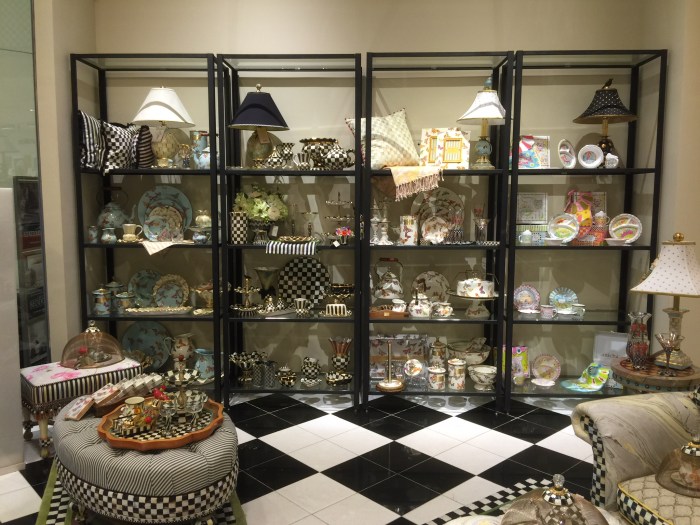
Custom-built shelving units are not just standalone pieces; they play a crucial role in enhancing the overall aesthetics and functionality of your home. By thoughtfully integrating these shelving units with existing furniture, you can create a harmonious living space that reflects your personal style while maximizing utility. This integration is key to ensuring that your home feels cohesive and well-organized.To effectively coordinate custom-built shelving with your home furnishings, consider several factors such as color, style, and functionality.
The right shelving can serve as a focal point or an accent that complements your décor rather than overwhelming it. Think about how the materials and finishes of your shelving can reflect or contrast with other furniture pieces, such as sofas, chairs, or tables, to create a balanced look.
Color and Material Coordination
Choosing the right colors and materials is essential for ensuring that your custom-built shelving blends seamlessly with your other furnishings. When selecting colors, aim for a palette that either matches or complements your existing furniture. For instance, if your living room features warm wood tones, consider using a similar wood finish for your shelves. When it comes to materials, think about the textures and styles in your space.
If your home has a modern aesthetic with sleek lines, opt for minimalist shelving designs made from metal or glass. Conversely, traditional homes may benefit from classic wooden shelves with ornate details.
Functional Design Considerations
Incorporating functionality into your shelving design can enhance both ease of use and the overall flow of the room. Consider how you want to use your shelving—whether for displaying books, decorative items, or as additional storage. When planning your shelving layout, keep in mind the furniture arrangement in the room. Here are some tips to maximize space and ensure your shelving works well with your existing furniture:
- Measure Your Space: Before installation, accurately measure the dimensions of your room and furniture. This will help you determine the optimal height and width for your shelving.
- Consider Sightlines: Position shelves so they don’t obstruct views or natural light. This is especially important in smaller spaces where light is limited.
- Use Vertical Space: To maximize space, design shelving that reaches up to the ceiling, which draws the eye upward and creates an illusion of height.
- Layering: Create depth by layering shelves with different items and integrating them with furniture pieces like side tables or consoles.
Effective integration of custom-built shelving with home furniture can create a stylish, functional, and cohesive living environment.
Sustainability in Custom-built Shelving
The drive towards sustainability has reshaped many aspects of home design, including the creation of custom-built shelving units. These bespoke solutions not only maximize storage but can also reflect a commitment to eco-friendly practices and materials. By choosing sustainable options, homeowners can contribute to the health of the planet while enhancing their living spaces with unique, stylish designs.Utilizing eco-friendly materials is crucial in the development of custom-built shelving.
Many options are available that minimize environmental impact while still providing durability and aesthetic appeal. Common eco-friendly materials include reclaimed wood, bamboo, and composite materials made from recycled content. These materials not only reduce the need for virgin resources but also often come with unique textures and stories that add character to any shelf.
Eco-friendly Materials for Custom Shelving
Incorporating sustainable materials into custom-built shelving has numerous benefits, ranging from environmental to aesthetic. Selecting materials that are responsibly sourced ensures a minimal carbon footprint and often supports local economies. Below are several eco-friendly materials commonly used in custom shelving:
- Reclaimed Wood: Sourced from old buildings, furniture, or other structures, reclaimed wood is a sustainable choice that adds historical charm to modern designs.
- Bamboo: A rapidly renewable resource, bamboo grows quickly and can be harvested with minimal environmental disruption. It is also lightweight and strong, making it ideal for shelving.
- Recycled Metal: Using recycled metals not only reduces waste but also creates a sleek, industrial look that can complement various interior styles.
- Low-VOC Finishes: Volatile organic compounds (VOCs) can be harmful to indoor air quality. Low-VOC paints and finishes ensure a safer environment for your home.
- Composite Materials: Products made from recycled wood fibers or plastics can provide an environmentally friendly alternative to traditional materials, often with excellent durability.
Sourcing sustainable materials locally can enhance the eco-friendly aspect of custom shelving projects even further. By supporting local suppliers, homeowners not only reduce transportation emissions but also contribute to their community’s economy. Here are some local resources to consider for sourcing sustainable materials:
Local Resources for Sustainable Materials
Finding local suppliers of eco-friendly materials can be simpler than expected. Many areas have specialized retailers or manufacturers dedicated to sustainable building practices.
- Reclaimed Lumber Yards: Many urban centers have businesses specializing in reclaimed wood, providing a variety of options for custom shelving projects.
- Bamboo Suppliers: Numerous companies focus on bamboo products, offering everything from raw bamboo poles to finished shelving units.
- Eco-conscious Home Improvement Stores: Some national and local home improvement stores now feature eco-friendly sections, stocked with sustainable building materials and finishes.
- Artisan Woodworkers: Local craftsmen often use sustainable practices in their workshops, creating unique pieces that can incorporate reclaimed or eco-friendly materials.
- Community Workshops: Participating in community workshops can foster connections with local suppliers and provide hands-on experience with sustainable materials.
In summary, embracing sustainability in custom-built shelving units not only benefits the environment but also enhances the uniqueness and beauty of your living space. By opting for eco-friendly materials and supporting local resources, you can create a stylish and sustainable addition to your home.
Custom-built Shelving and Home Inspections
Custom-built shelving can enhance the aesthetic and functional elements of a home, but it also plays a crucial role during home inspections. Inspectors assess every detail of a property, including the integrity and safety of built-in features. Understanding how custom shelving can impact inspection outcomes is vital for homeowners and builders alike.Custom-built shelving must adhere to safety standards and local building codes.
Non-compliance can lead to negative inspection results, which may affect the property’s value or saleability. Inspectors typically evaluate aspects such as load capacity, material safety, and the structural soundness of the installed units. It’s essential to ensure that the shelving is not only visually appealing but also safe and functional.
Safety and Building Code Compliance
Ensuring that custom-built shelving meets safety and building codes is not just a matter of aesthetics; it is also about protecting the inhabitants of the home and maintaining property value. Here are some critical considerations regarding safety and compliance:
- Load Capacity: Shelving units should be designed to support the weight of the items intended for storage. Overloading shelves can lead to accidents and damage.
- Material Selection: Use materials that are safe and compliant with local regulations. For instance, certain woods may need to be treated or sourced sustainably.
- Installation Techniques: Proper installation is crucial. Shelving must be securely anchored to withstand weight and prevent tipping or falling.
- Fire Safety: Ensure that materials used are fire-resistant, especially in areas like kitchens or near heating sources.
Preparing custom shelving for a home inspection involves a few critical steps to ensure compliance and safety. The following practices can help in aligning with inspection expectations:
Preparation for Home Inspection
Before a home inspection, it’s essential to prepare custom shelving to mitigate any potential issues during the evaluation. Here are some steps to consider:
- Inspect for Damage: Examine the shelving for any signs of wear, damage, or instability that could raise concerns during inspection.
- Document Compliance: Keep documentation of materials used, installation practices, and any relevant permits to present to the inspector.
- Ensure Accessibility: Make sure that inspectors can easily access all built-in shelving for thorough evaluation.
- Clear Out Contents: Remove items from the shelving to allow for a clear view of the structure and to avoid any potential hazards during the inspection.
By following these guidelines, homeowners can not only prepare their custom-built shelving for a home inspection but also ensure that it meets the necessary safety regulations and standards, ultimately leading to a smoother inspection process.
Custom-built Shelving in House Plans
Incorporating custom-built shelving into house plans is a strategic move that enhances both aesthetics and functionality within a home. During the design phase, it is crucial to consider how shelving can create a seamless flow in the overall layout and maximize the use of available space. Custom shelving can transform ordinary rooms into organized and stylish areas by providing tailored solutions that fit specific needs and preferences.
Planning for custom shelving as part of the overall home layout is vital for effective space utilization. When shelving is integrated thoughtfully, it not only serves practical storage purposes but also contributes to the visual appeal of the home. Early consideration allows homeowners to optimize the dimensions, materials, and placement of shelving units to suit their lifestyle.
Effective Shelving Placements in Various Room Designs
Identifying effective shelving placements is essential for enhancing both functionality and design in different room settings. Here are some examples of optimal shelving placements:
- Living Room: Floating shelves can be installed above furniture, displaying books and decorative items without occupying floor space. A built-in bookshelf can serve as a focal point, dividing the room while providing ample storage.
- Kitchen: Custom shelving can be designed around the kitchen’s layout, incorporating open shelves to showcase dishware or spices. Additionally, pantry shelving can be tailored to fit awkward spaces, such as under stairs or in corners.
- Bedroom: Bedside shelving units can replace traditional nightstands, offering both function and style. Walk-in closets can benefit from custom shelving systems that maximize vertical space and keep items organized.
- Home Office: Built-in desks with shelving above can create a streamlined workspace. Wall-mounted shelves can hold books, files, and office supplies, allowing for easy access while maintaining a clutter-free area.
- Bathroom: Custom shelving can be designed to fit snugly above toilets or vanities, providing storage for toiletries and towels while maintaining a clean aesthetic.
The integration of custom-built shelving in house plans ultimately elevates the design and functionality of each space, making it an essential consideration for any homeowner embarking on a new build or renovation.
Maintenance of Custom-built Shelving Units
Custom-built shelving units can add both functionality and elegance to any space. To keep these units looking pristine and functioning optimally, regular maintenance is essential. Proper care not only enhances the aesthetic appeal but also extends the lifespan of your custom-built shelving.Maintaining custom-built shelving units involves several key practices to prevent wear and tear while ensuring they remain a valuable asset in your home.
Regular inspection, cleaning, and minor repairs can go a long way in preserving the integrity of these units. Here are some important considerations for upkeep:
Regular Inspection and Minor Repairs
Conducting regular inspections helps identify potential issues before they escalate. Pay attention to the following aspects during your inspections:
- Structural Integrity: Check for any signs of sagging or warping, particularly if the shelves are loaded with heavy items.
- Fasteners: Ensure that screws, brackets, and other fasteners are secure and not rusting or loosening over time.
- Wood Cracks: Look for any cracks or splits in the wood, which could compromise stability and aesthetics.
Addressing these issues promptly can prevent more extensive repairs later on. For example, if a shelf is sagging, removing some weight and reinforcing it with additional brackets or support can restore its strength.
Cleaning Techniques
Regular cleaning is vital for maintaining the appearance of your shelving units and preventing dust accumulation. Consider the following methods for effective cleaning:
- Dust Regularly: Use a microfiber cloth or duster to remove dust from the shelves and decorative items.
- Gentle Cleaning Solutions: For deeper cleaning, use a mild soap solution or wood cleaner. Avoid harsh chemicals that can damage the finish.
- Polishing: Apply wood polish or conditioner periodically to enhance shine and protect the surface.
By keeping dust and grime at bay, you not only maintain aesthetics but also create a healthier living environment.
Addressing Common Issues
Even with the best care, issues may still arise with custom-built shelving units. Here are some common problems and their solutions:
- Discoloration: If exposed to sunlight, shelves may fade. Use curtains or blinds to minimize direct sunlight exposure.
- Sticky Drawers: If drawers become difficult to open, check for debris in the tracks or apply a lubricant suitable for wood.
- Moisture Damage: In humid areas, consider using a dehumidifier or moisture absorber to prevent warping and mold growth.
By addressing these common issues as they arise, you can keep your custom-built shelving units in top condition.
Longevity and Aesthetic Preservation
To ensure the longevity and aesthetic preservation of your custom-built shelving, consider the following practices:
- Limit Weight Loads: Adhere to weight limits for each shelf to prevent sagging and damage.
- Location Considerations: Position shelves away from direct sources of heat or moisture, like radiators or dishwashers.
- Seasonal Checkups: Perform seasonal checkups to monitor for any changes in structure or finish due to environmental factors.
Maintaining custom-built shelving units is an ongoing process that, when done correctly, pays off in terms of both functionality and aesthetics.
Custom-built Shelving for Green Living
Custom-built shelving units play a crucial role in fostering a sustainable lifestyle within the home. By providing efficient storage solutions, they help reduce clutter and promote organization, which is essential for maintaining an eco-friendly environment. A well-designed shelving system not only enhances the aesthetic appeal of a space but also supports a lifestyle that prioritizes sustainability and minimalism.Custom shelving can significantly streamline the organization of eco-friendly products and materials, ensuring that environmentally conscious items are easily accessible.
This promotes a more intentional lifestyle where individuals can make conscious choices about their consumption and waste. The versatility of custom shelving allows homeowners to tailor their storage solutions to reflect their sustainable values, further encouraging responsible living.
Roles of Custom Shelving in Supporting Sustainability
Custom-built shelving units can be strategically utilized to enhance sustainability in various ways. Here are some key aspects to consider:
- Reducing Clutter: Custom shelving helps to create dedicated spaces for items, minimizing disorder and making it easier to see what you have. This visibility encourages mindful consumption and reduces unnecessary purchases.
- Organizing Eco-friendly Products: Shelving can be designed to safely store items like reusable bags, glass containers, and other sustainable products, ensuring they are readily available when needed.
- Promoting a Minimalist Approach: Custom-built shelves can be designed with minimalism in mind, allowing for a clean and open space that promotes tranquility and simplicity, aligning with eco-friendly living ideals.
- Utilizing Sustainable Materials: When designing custom shelving, choosing sustainable materials such as reclaimed wood or bamboo not only reduces environmental impact but also adds a unique character to your home.
- Enhancing Space Efficiency: Custom shelving maximizes vertical space, reducing the need for additional furniture. This efficient use of space is particularly beneficial in smaller homes where sustainability is a priority.
“A clutter-free environment is essential for sustainability; it supports mindful consumption and reduces waste.”
Each of these elements contributes to a holistic approach to green living, emphasizing organization, accessibility, and the responsible use of resources. Custom-built shelving not only serves a functional purpose but also embodies the values of sustainability and minimalism, helping homeowners align their living spaces with their eco-conscious lifestyles.
Heating and Air Conditioning Considerations
Custom-built shelving units can significantly influence the heating and cooling dynamics within a room. When positioning these units, it’s essential to consider airflow and temperature regulation, as improper placement can lead to inefficient climate control and uncomfortable living conditions. By understanding the relationship between shelving design and HVAC systems, homeowners can make informed choices that enhance both functionality and comfort.The design of custom shelving can directly affect air circulation in a room, particularly when shelves obstruct natural airflow pathways or the placement of heating and cooling vents.
To optimize the efficiency of these systems, strategic design adjustments are necessary. Shelving units should be designed to accommodate heating and cooling vents, thereby preventing airflow obstruction while also enhancing aesthetic appeal.
Accommodating Heating and Cooling Vents
When incorporating shelving units into a home, it is vital to plan for the integration of heating and cooling vents. This planning ensures that airflow remains unobstructed, enhancing the overall effectiveness of the HVAC system. The following design considerations are essential for facilitating optimal climate control:
- Vent Placement: Position shelving units away from vents to ensure that air can flow freely. If bypassing vents is impossible, consider designing shelves with cutouts or openings that align with vent locations.
- Adjustable Shelving: Using adjustable shelves allows for flexibility in positioning, making it easier to accommodate changes in vent placement or the addition of new HVAC components.
- Material Selection: Choose materials that do not retain heat, such as metal or glass, for areas near heating vents to prevent overheating of items stored on shelves.
- Raised Designs: Elevating shelves above vent lines can help maintain airflow while providing functional storage space.
- Vent Covers: Consider installing decorative vent covers that blend with the shelving design, offering both style and functionality.
Strategically designed shelving placements can further enhance climate control. For instance, placing units near windows can promote natural light while simultaneously allowing for better airflow. Additionally, incorporating plants or elements that absorb heat can create a more balanced temperature throughout the space.
Effective shelving design not only maximizes storage but also supports efficient heating and cooling, leading to a more comfortable living environment.
Wrap-Up
In conclusion, custom-built shelving units offer a versatile and stylish solution to home organization challenges, while also promoting sustainability and personalization. By investing in customized designs, homeowners can create spaces that not only look great but also serve their practical needs. Embracing these unique shelving solutions truly transforms a house into a home.
Commonly Asked Questions
What materials are best for custom-built shelving?
Popular materials include plywood, MDF, solid wood, and metal, each offering unique benefits in terms of durability and aesthetics.
How long does it take to install custom shelving?
Installation time varies based on the complexity of the design but typically ranges from a few hours to a couple of days.
Can custom shelving increase my home’s value?
Yes, well-designed custom shelving can enhance the appeal of your home and potentially increase its market value.
How do I maintain my custom shelving units?
Regular dusting, occasional cleaning with mild detergents, and ensuring proper load distribution will help maintain the integrity of your shelving.
Are custom shelving units eco-friendly?
They can be eco-friendly if made from sustainable materials and designed with energy efficiency in mind.


