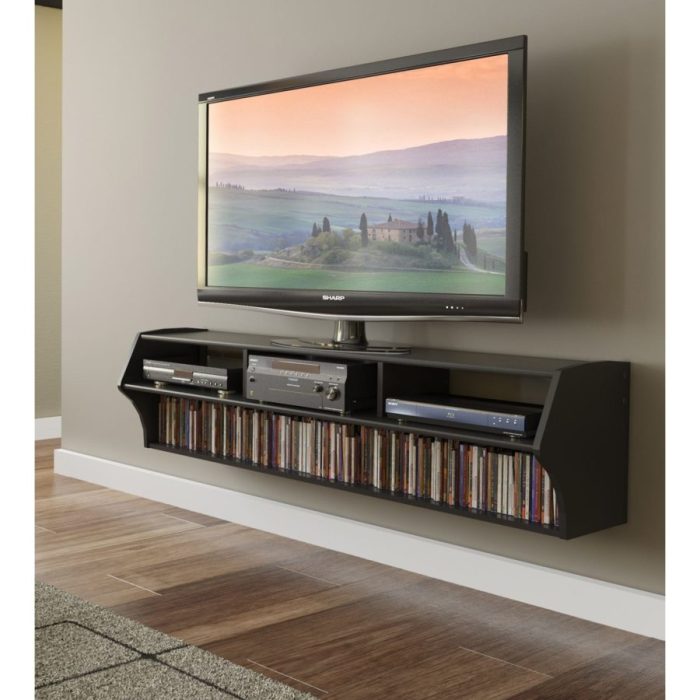
Floating TV stands have emerged as a stylish and functional addition to contemporary interiors, offering an innovative way to elevate your entertainment experience. These stands not only provide a sleek design that saves space but also enhance the overall aesthetic of your living area, making them a popular choice among homeowners. With various styles and materials available, floating TV stands can seamlessly integrate into any decor theme.
Designed to support your television while being mounted on the wall, floating TV stands showcase your screen without sacrificing floor space. This design trend combines practicality with elegance, allowing for improved cable management and a clean, uncluttered look. Whether you’re looking for a rustic wooden stand or a modern glass option, there’s a perfect floating stand for every home.
Introduction to Floating TV Stands
Floating TV stands are an innovative and stylish solution for modern home entertainment systems. Unlike traditional TV stands, these units are wall-mounted, creating an illusion of space and adding a contemporary flair to any room. Their design often incorporates clean lines and minimalist aesthetics, making them a popular choice for those looking to enhance their living spaces without the bulk of conventional furniture.The benefits of using floating TV stands go beyond mere aesthetics.
They provide a practical solution for small spaces by freeing up floor area, which can make a room look larger and more organized. Additionally, these stands can be customized to fit various styles and preferences, offering flexibility in terms of height and placement. Furthermore, many models come with built-in storage options, allowing for the neat organization of media devices, wires, and accessories.
Popular Floating TV Stand Styles and Materials
The diversity in styles and materials used for floating TV stands allows homeowners to select options that best match their interior décor. Here are some common styles and materials found in the market:
When considering a floating TV stand, it is essential to recognize the various styles and materials that are currently popular:
- Modern and Sleek Designs: Characterized by simple lines and a minimalist approach, these stands often use materials like glass and metal.
- Rustic Wooden Options: Crafted from reclaimed wood or distressed finishes, these stands add warmth and character to a space.
- High Gloss Finishes: Lacquered surfaces provide a contemporary look and are easy to clean, making them a practical choice for busy households.
- Combined Materials: Many designs incorporate a mix of wood, metal, and glass, offering a visually appealing contrast that can suit various tastes.
Each of these styles can be tailored to accommodate different TV sizes, ensuring that functionality is not sacrificed for aesthetics. When selecting a floating TV stand, considering both style and material not only enhances the visual appeal of the room but also adds to the overall practicality of the living space.
Benefits of Floating TV Stands
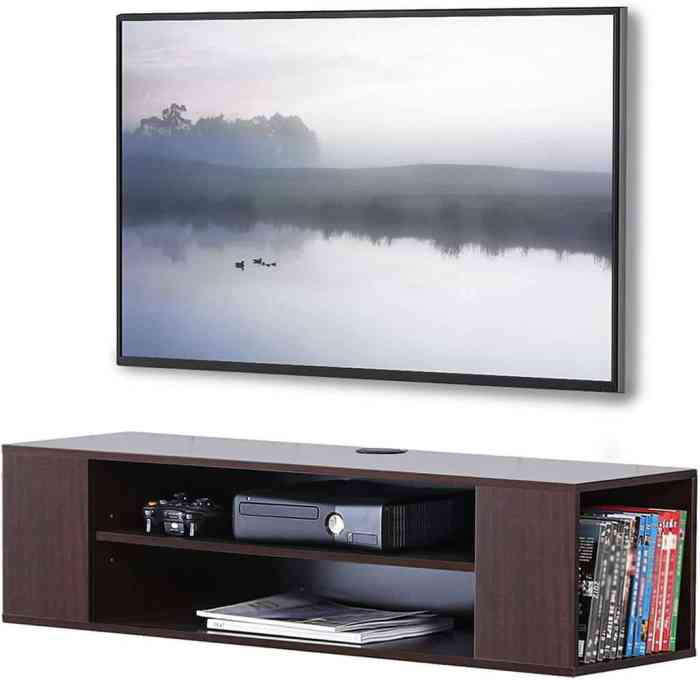
Floating TV stands offer a modern solution to both functionality and design, particularly in spaces where every square foot counts. By elevating the television off the ground, these stands not only create a sleek look but also maximize the living area, making them an ideal choice for small homes or apartments. Beyond the obvious space-saving qualities, floating TV stands provide additional benefits that enhance the overall aesthetic and organization of a room.
Space-Saving Advantages in Small Living Areas
In environments where space is a premium, floating TV stands become a practical choice, allowing for vertical storage and creating a sense of openness. By mounting the TV on the wall, floor space is freed up for other furnishings or activities, resulting in a more spacious feel. This is particularly beneficial in studio apartments or compact living rooms, where every inch matters.
-
Floating TV stands can help create the illusion of more space, making rooms appear larger and more inviting.
- They can be positioned at eye level, eliminating the need for bulky furniture that takes up floor space.
- Many designs incorporate shelves or compartments, allowing for additional storage without occupying ground area.
Enhancing Aesthetic Appeal
Floating TV stands are an appealing addition to any interior design scheme. Their minimalist design contributes to a contemporary look, seamlessly integrating with various styles, from modern to rustic. The absence of legs or bulky bases creates a streamlined effect that can elevate the overall ambiance of a room.
- Available in various materials such as wood, metal, and glass, floating TV stands can complement existing décor.
- They can be styled with decorative items, such as plants or books, adding a personal touch while maintaining a clean aesthetic.
- Floating stands can highlight wall art or other focal points in the room, creating a cohesive and harmonious design.
Cable Management and Organization
One of the significant challenges of home entertainment setups is cable management. Floating TV stands offer innovative solutions to keep cords organized and out of sight, contributing to a tidy environment.
- Many floating stands come equipped with built-in cable management systems, allowing for the concealment of wires and cables.
- This organization reduces clutter and prevents unsightly tangles that can distract from the room’s aesthetics.
- By integrating cable management, floating TV stands facilitate easy access for maintenance or adjustments, keeping the setup user-friendly.
By choosing a floating TV stand, homeowners can enjoy a blend of functionality and style, transforming their living spaces into organized and visually appealing environments.
Choosing the Right Floating TV Stand
Selecting the perfect floating TV stand for your living space involves more than just aesthetics; it’s crucial to consider size, weight capacity, and materials to ensure a safe and stylish setup. With numerous options available, understanding what to look for will help you make an informed decision.
Size Considerations Based on TV Dimensions
The size of your floating TV stand should complement the dimensions of your television. A stand that is too small can look awkward, while one that is too large can overwhelm the space. To achieve harmony, consider the following guidelines:
- Measure your TV: Determine the width of your TV, and select a stand that is at least a few inches wider on each side to maintain balance.
- Consider TV height: The ideal viewing height is typically eye-level when seated. Measure from the floor to your eye level and ensure the stand height allows for this alignment.
- Account for additional components: If you plan to place devices like a soundbar or gaming console on the stand, take their dimensions into account when choosing the stand size.
Weight Capacity and Wall-Mounting Considerations
When selecting a floating TV stand, it’s essential to evaluate both weight capacity and wall-mounting options to ensure a secure installation:
- Weight capacity: Check the manufacturer’s specifications for weight limits. Your stand should easily support the combined weight of your TV and any additional devices.
- Wall mounting: Consider the type of wall you will mount the stand on. Ensure the wall can support the weight and installation using appropriate anchors and screws.
- Stud placement: Locate wall studs to provide a solid anchor point for mounting. Using a stud finder can help guarantee a secure setup.
Materials Used in Floating TV Stands
The material of a floating TV stand significantly impacts its look, durability, and weight capacity. Here’s a comparison of common materials used:
| Material | Durability | Weight Capacity | Aesthetic Appeal |
|---|---|---|---|
| Wood | High durability; can withstand heavy loads | Varies; typically high | Warm, classic look |
| Metal | Very durable; resistant to wear and tear | High; ideal for larger TVs | Modern, industrial feel |
| Glass | Moderate; can be fragile but stylish | Lower; usually supports lighter TVs | Chic, sleek appearance |
When choosing a material, consider your overall decor style and the level of use the stand will experience.
“A well-chosen floating TV stand not only enhances your viewing experience but also elevates the overall aesthetics of your living space.”
Installation of Floating TV Stands
Installing a floating TV stand can transform your living space by maximizing both functionality and aesthetics. However, proper installation is crucial to ensure your TV is securely mounted on the wall. This section Artikels the detailed steps for installation, the tools and materials you’ll need, as well as essential safety guidelines to follow during the process.
Steps for Installing a Floating TV Stand
To ensure a successful installation, follow these organized steps carefully:
1. Choose the Location
Identify the wall where you want to mount your floating TV stand. Ensure it’s at a comfortable viewing height and away from any obstructions.
2. Find Wall Studs
Use a stud finder to locate the wall studs, which provide the best support for mounting. Mark their positions lightly with a pencil.
3. Gather Tools and Materials
Before starting the installation, collect all the necessary tools and materials. This typically includes:
A level
– Drill
Stud finder
Screws and wall anchors (provided with your floating TV stand)
Tape measure
– Pencil – Screwdriver
4. Level the Mounting Bracket
Follow the manufacturer’s instructions to attach the mounting bracket to the wall. Use a level to ensure it’s straight, marking where the screws will go.
5. Drill Holes
Based on your marks, drill holes into the wall studs. If the mounting location does not align with studs, use wall anchors for additional support.
6. Attach the Mounting Bracket
Secure the mounting bracket to the wall with screws. Ensure it’s firmly attached before proceeding.
7. Prepare the TV Stand
If your floating TV stand has any additional components or shelves, prepare these according to the instructions.
8. Mount the TV Stand
Carefully lift and mount the TV stand onto the bracket. This may require an extra pair of hands to ensure safety and precision.
9. Secure Everything
Once mounted, double-check that all screws are tightened and that the stand feels stable.1
0. Connect the TV and Wires
Finally, connect your TV and any necessary cables, ensuring they are tidy and out of sight for a clean look.
Required Tools and Materials
Having the right tools and materials is essential for a smooth installation. Below is a list of items you should have on hand:
Tools
Drill with appropriate bits
Stud finder
Screwdriver (both Phillips and flat-head)
– Level
Tape measure
Pencil –
Materials
Mounting brackets (included with the floating TV stand)
Screws and wall anchors
Optional
cable management solutions for tidy wiring
Safety Tips and Guidelines
Safety is paramount when installing a floating TV stand. Keep these guidelines in mind:
Weight Distribution
Ensure your wall can support the weight of the TV and stand. If you’re in doubt, consult a professional.
Use Proper Anchors
If you’re unable to mount directly to wall studs, use heavy-duty wall anchors rated for the weight of your TV.
Double-Check Measurements
Measure twice and drill once. It helps avoid unnecessary holes and ensures accurate placement.
Secure All Connections
Make sure all screws, brackets, and connections are securely fastened. A loose installation can lead to accidents.
Avoid Overloading the Stand
Adhere to the manufacturer’s guidelines regarding weight limits for the floating TV stand and accessories.By following these steps, using the right tools, and prioritizing safety, you’ll successfully install your floating TV stand, creating a stylish and functional focal point in your room.
Maintenance and Care for Floating TV Stands
Maintaining a floating TV stand is essential to ensure it not only looks great but also lasts for years to come. Different materials require specific cleaning methods and care techniques to prevent wear and tear. Below, we explore how to maintain various materials, address common issues, and provide recommendations for protecting your stand.
Cleaning and Maintenance of Different Materials
Floating TV stands can be made from a variety of materials, including wood, metal, and glass. Each of these materials has its own set of maintenance requirements.For wooden floating TV stands, it’s crucial to use a soft, lint-free cloth to dust the surface regularly. To clean, use a damp cloth with mild soap. Avoid harsh chemicals that can damage the finish. Applying a furniture polish periodically can help maintain the sheen and protect the wood from scratches.
Metal floating TV stands can be cleaned with a damp cloth and mild detergent. If the stand has a powder-coated finish, avoid abrasive cleaners as they can scratch the surface. For stainless steel components, a specialized cleaner can help maintain shine and resist fingerprints. Glass floating TV stands require a different approach. Use a glass cleaner and microfiber cloth to avoid scratches and streaks.
Regular cleaning is essential to keep the glass clear and free from smudges.
Common Issues and Resolutions
While floating TV stands are generally sturdy, they can encounter a few common issues over time. Addressing these problems promptly can prolong the life of your stand.One frequent issue is loose mounting brackets. If your TV begins to tilt or wobble, check the brackets to ensure they are tight and securely fastened. Regularly check for loose screws and tighten them as necessary.Another issue may be wear on the finish due to everyday use.
If scratches or scuffs occur, a wood touch-up marker for wooden stands or a specialized repair kit for metal finishes can help restore the appearance. For glass stands, a glass repair kit can help fix minor chips. Weight distribution is also crucial. Overloading the stand can lead to structural problems. Always adhere to the manufacturer’s weight guidelines when placing your TV and other accessories.
Protection from Wear and Tear
To keep your floating TV stand in top shape, consider these protective measures to guard against wear and tear over time.Using coasters or pads under devices or decor can help prevent scratches or dents on the surface. This is particularly important for heavy items that may create indentations.Regularly rearranging accessories can also prevent permanent marks from forming. Changing the position of decorative items periodically can help distribute weight evenly.Additionally, placing a mat or rug underneath the stand can protect the floor and the stand itself from potential damage.
A soft mat can absorb impacts and prevent scratches on the base of the stand.In summary, proper maintenance, prompt resolution of common issues, and protective measures can greatly extend the life and appearance of your floating TV stand, ensuring it remains a stylish and functional piece in your home.
Floating TV Stands in Home Furniture
Floating TV stands are not just functional elements in your living space; they also serve as stylish focal points that enhance the overall aesthetic of your home. By blending seamlessly with various furniture styles, these stands can elevate the design and layout of any room, creating an inviting atmosphere that showcases both your television and your decor.Integrating floating TV stands with other home furniture pieces requires a thoughtful approach to ensure harmony in design and functionality.
When arranging furniture around a floating TV stand, it’s essential to consider viewing angles and the overall flow of the room. Optimal viewing is achieved when seating is oriented towards the TV, allowing for comfortable viewing from every angle.
Furniture Arrangement for Optimal Viewing
Strategically arranging your furniture can transform your living area into a comfortable and visually appealing space. Start by selecting seating options that complement the height and position of your floating TV stand. Here are key considerations for furniture arrangement:
Positioning of Seating
Place sofas and chairs at an appropriate distance from the TV stand to ensure clear visibility without straining the neck. A distance of 6 to 10 feet is generally recommended for larger screens.
Creating a Cozy Layout
Incorporate a sectional sofa or a combination of chairs and a coffee table that encourages conversation, while still facing the TV. This layout not only makes it easier to enjoy shows but also fosters a warm, inviting atmosphere.
Using Area Rugs
Define the seating area with an area rug that ties together the furniture pieces and provides a cohesive look, making the room feel complete and organized.
Incorporating Side Tables
Include side tables next to seating for convenience, allowing easy access to beverages and snacks while watching TV. Choose tables that match the material and finish of the floating TV stand for a unified look.
Styling the Area Around a Floating TV Stand
The space surrounding your floating TV stand can be adorned with decorative items that reflect your personal style while maintaining a clean and uncluttered appearance. Here are some tips for effective styling:
Incorporating Shelves
Use floating shelves above or beside the TV stand to display decorative items, books, or plants. This adds vertical interest and creates a layered look that draws the eye.
Framing the TV Stand
Consider placing a large piece of art or a gallery wall near the TV stand. This not only serves as a backdrop but also provides a visual balance to the television unit.
Using Decorative Accessories
Select decorative items such as vases, photo frames, or unique sculptures to enhance the aesthetic. Group items in odd numbers for a more dynamic display and vary the heights to create visual interest.
Adding Greenery
Introduce indoor plants or succulents to breathe life into the space. Greenery adds a refreshing touch and can soften the modern lines of the floating TV stand.
Lighting Options
Install accent lighting, such as LED strips underneath the TV stand or decorative lamps nearby, to create ambiance and highlight the area, making it warm and inviting for evening viewing.By thoughtfully integrating a floating TV stand with other home furniture and styling the surrounding area, you can create a harmonious and aesthetically pleasing environment that enhances both functionality and design in your living space.
Floating TV Stands in Green Living
Floating TV stands are not only a stylish addition to modern interiors, but they also play a significant role in promoting sustainable living practices. By elevating your television off the floor, these stands create a cleaner, more open environment that encourages energy efficiency and minimalism—a core principle of green living.The design and materials of floating TV stands can contribute substantially to sustainable practices.
Many manufacturers prioritize eco-friendly materials, incorporating elements such as reclaimed wood, bamboo, or recycled metals. This not only reduces the carbon footprint associated with production but also promotes the use of renewable resources. The focus on durability ensures these stands have a longer lifespan, decreasing the frequency of replacement and minimizing waste.
Eco-Friendly Materials in Floating TV Stands
The selection of materials used in floating TV stands is crucial for sustainable living. Using eco-friendly materials can have a positive impact on the environment. Here are some common materials that align with green living:
- Reclaimed Wood: Sourced from old buildings or furniture, reclaimed wood reduces the need for new timber and preserves forests. Each piece tells a story, adding character to your home.
- Bamboo: Known for being a highly renewable resource, bamboo grows rapidly and requires less water. Its lightweight properties and strength make it an ideal material for furniture.
- Recycled Metal: Utilizing metals that have already been processed decreases energy consumption compared to virgin metals. This recycling process reduces landfill waste and conserves natural resources.
- Low-VOC Finishes: Finishes that emit low levels of volatile organic compounds (VOCs) contribute to better indoor air quality. Choosing low-VOC paints or stains helps create healthier living spaces.
Recycling and Repurposing Floating TV Stands
When floating TV stands reach the end of their lifespan, it is essential to consider recycling and repurposing them responsibly. This practice aligns with principles of sustainability by reducing waste and promoting resourcefulness. There are several creative ways to give these pieces a new life:
- Transform into Storage Solutions: Floating TV stands can be converted into unique shelving units or storage benches, providing additional organization options in your living space.
- Artistic Decorations: With a bit of creativity, they can be transformed into art pieces or display stands for plants, books, or collectibles.
- Furniture Donations: If the stand is still in usable condition, consider donating it to local charities, schools, or community centers, extending its life and usefulness.
- Recycling Programs: Many communities offer recycling programs for wooden and metal furniture. Check local resources to ensure environmentally friendly disposal of materials.
Floating TV Stands and Heating and Air Conditioning
When integrating a floating TV stand into your living space, it’s crucial to consider the impact of heating and air conditioning systems. Proper placement of your TV stand can influence the efficiency of these systems and the comfort of the room. Understanding how to manage airflow around your electronics not only enhances the viewing experience but also preserves the durability of your devices.Heating and cooling vents can significantly affect the installation of a floating TV stand.
Strategic planning is necessary to ensure that airflow remains unobstructed, preventing overheating of your electronics and ensuring that your HVAC system operates efficiently. Overlooking these aspects can lead to decreased performance of your TV and other connected devices.
Importance of Airflow Management
Maintaining proper airflow around electronics is essential for their longevity and performance. Obstructed vents can lead to overheating, which may damage internal components. Here are some practical tips to ensure sufficient airflow around floating TV stands:
Placement Considerations
Install the floating TV stand away from heating vents and air conditioning units to avoid direct airflow on the electronics. This can prevent overheating and ensure a stable operating temperature.
Ventilation Space
Leave adequate space above and below the TV stand for air circulation. A gap of at least a few inches is recommended to allow heat dissipation from the TV and devices.
Use of Cooling Fans
Consider incorporating small, discreet cooling fans in the cabinet or the area surrounding the TV stand. These can help maintain airflow and temperature control, especially in warmer climates.
Adjustable HVAC Vents
If possible, use adjustable vents that can direct airflow away from the TV stand. This can help maintain a comfortable environment while protecting your electronics.
Integrating with HVAC Components
Incorporating a floating TV stand while considering HVAC components can enhance both aesthetics and functionality. Here are some ideas for seamless integration:
Custom Built-ins
Design custom cabinetry that includes the floating TV stand alongside HVAC vents. Ensure the cabinetry allows for ventilation while providing a sleek look that complements your décor.
Decorative Grilles
Use decorative grilles or vent covers that match the style of your floating TV stand. This not only allows for airflow but also creates a cohesive look throughout the room.
Strategic Furniture Layout
Arrange other furniture in the room to facilitate airflow from HVAC systems while keeping the floating TV stand as a focal point. This may include positioning seating away from vents to enhance comfort.
Smart Thermostats
Implement smart thermostats that can adjust heating and cooling based on occupancy. This ensures efficient energy use while preventing temperature fluctuations around your electronics.By considering these factors, you can effectively integrate a floating TV stand into your space without compromising the functionality of your heating and cooling systems.
Floating TV Stands in Home Inspections
Floating TV stands have become increasingly popular in modern home design, offering a sleek, minimalist aesthetic while maximizing floor space. However, during home inspections, several key considerations come into play, particularly regarding their installation and maintenance. Home inspectors must pay particular attention to the structural integrity and safe mounting of these units to ensure both functionality and safety for future homeowners.The mounting system of a floating TV stand is critical during home inspections.
Inspectors should assess whether the stand is securely attached to the wall and that the wall itself can support the weight of the TV and the stand. Adequate anchoring and the use of appropriate hardware are essential to prevent accidents. Inspectors should also evaluate the material quality of both the stand and the wall, as poor materials can compromise the stability and safety of the installation.
Considerations for Home Inspectors
During home inspections, it is vital to take into account the following aspects related to floating TV stands:
- Weight Capacity: Inspectors must verify that the mounting hardware and the wall structure can accommodate the combined weight of the TV and the stand without risk of failure.
- Mounting Method: Different mounting systems, such as brackets or cleats, require different assessments; inspectors should ensure that the chosen method meets safety standards.
- Wall Type: The type of wall (e.g., drywall, concrete, or plaster) can affect the installation process and stability. Inspectors should identify the wall type and its suitability for mounting a floating TV stand.
- Electrical Wiring: Floating TV stands may hide electrical wiring. Inspectors need to check for proper installation of electrical components to prevent electrical hazards.
- Level Installation: A floating TV stand must be installed level to avoid strain on the mounting system; inspectors should check for level alignment during evaluations.
“A floating TV stand not only enhances aesthetic appeal but also demands careful scrutiny for safety during home inspections.”
Potential issues that may arise during inspections include:
- Improper Installation: If the floating TV stand is not installed correctly, it may wobble or detach from the wall, posing safety risks.
- Wall Damage: Inspectors may encounter signs of damage or weakness in walls from poorly executed installations that fail to distribute weight properly.
- Inadequate Supporting Framework: Some homes may lack adequate structural support behind the drywall, leading to failures in the mounting system.
- Hidden Hazards: Discovering electrical or plumbing lines behind or within the wall can complicate the installation and pose risks if not managed correctly.
Floating TV Stands and House Plans
Incorporating floating TV stands into new house plans adds a modern touch while optimizing space. These stands not only serve as functional furniture but also enhance the aesthetic appeal of a room. When designing a house, considering the placement and integration of floating TV stands can significantly influence the overall design and flow of living spaces.Floating TV stands can be effectively incorporated into house plans by considering their location in relation to other furniture and the room’s layout.
Ideally, these stands should be positioned at eye level when seated, ensuring a comfortable viewing experience. Additionally, considering the surrounding furniture arrangement is crucial. For instance, a floating TV stand can serve as a focal point in a living room, guiding the arrangement of sofas and chairs to create an inviting atmosphere.
Planning Electrical Outlets and Cable Management
Proper planning for electrical outlets and cable management is essential when incorporating floating TV stands into house designs. This ensures a neat and organized appearance while preventing clutter from visible wires. Here are several recommendations to consider:
Strategic Outlet Placement
Plan electrical outlets behind or near the floating TV stand to minimize visible wires. This allows for easy access without compromising the aesthetic of the room.
In-wall Cable Management
Consider designing walls with built-in conduits for cables. This keeps cables hidden and maintains a clean look, especially in contemporary spaces.
Power Strips
Use power strips mounted on the back or underside of the floating TV stand. This enables multiple devices to connect while keeping wires out of sight.
Cable Covers
If some cables are exposed, utilize cable covers that match the wall color or finish. This helps blend them into the design and reduces visual clutter.
Furniture Layout Considerations
Ensure that the placement of the floating TV stand allows for comfortable access to outlets and minimizes the distance for cables to travel from devices.Utilizing these strategies during the planning phase can enhance the functionality and visual appeal of the floating TV stand area.
Impact on Room Layout and Flow
Floating TV stands can significantly affect the layout and flow of a room, promoting a more open and spacious environment. When designed thoughtfully, they can contribute to a harmonious flow throughout the space. Here are key factors to consider:
Visual Lines
Floating stands create cleaner lines in a room, allowing for a more open visual flow. This can make a small room feel larger and less cluttered.
Accessibility
Positioning a floating TV stand at an appropriate height and location enhances accessibility and interaction, encouraging social engagement among family and guests.
Creating Zones
In open floor plans, floating TV stands can help delineate different functional areas, such as separating the living room from the dining area. This natural division enhances the overall layout and usability of the space.
Design Cohesion
The design of the floating TV stand should complement other elements in the room, such as wall colors, furniture styles, and decor. This cohesion supports the overall room layout and creates a unified space that feels well-designed.By focusing on these aspects, homeowners can transform their spaces into stylish, functional environments that cater to their lifestyle needs while emphasizing the benefits of floating TV stands.
Final Wrap-Up
In summary, floating TV stands provide not just a stylish solution for mounting your television but also bring a multitude of benefits including space-saving capabilities and improved room aesthetics. As you explore different options for your home, consider how these stands can elevate both your entertainment area and your overall decor. With proper installation and care, a floating TV stand can be a lasting addition to your living space, blending functionality with modern design.
FAQs
What sizes do floating TV stands come in?
Floating TV stands come in various sizes to accommodate different TV dimensions, typically ranging from small stands for TVs under 40 inches to large ones for screens over 75 inches.
Are floating TV stands suitable for all wall types?
Most floating TV stands can be mounted on drywall, but it’s important to ensure that the wall can support the weight and that appropriate anchors are used for stability.
How do I clean a floating TV stand?
To clean a floating TV stand, use a soft cloth and appropriate cleaner based on the material (wood, glass, or metal) to avoid damaging the finish.
Can I install a floating TV stand myself?
Yes, many homeowners can install a floating TV stand themselves with the right tools and instructions, but it’s recommended to follow safety guidelines and check for wall stud placement.
What materials are commonly used in floating TV stands?
Floating TV stands are commonly made from materials such as wood, metal, and glass, each offering different aesthetic and functional benefits.