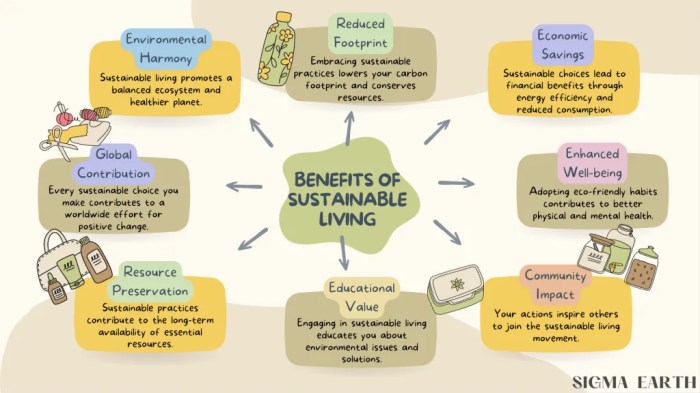
Sustainable living tips open up a world where our everyday choices can positively impact the planet. Embracing this lifestyle means understanding not only how our actions affect the environment but also how we can make smarter, more eco-friendly decisions. From the materials we choose for our homes to the small changes in daily habits, sustainable living is about integrating environmental mindfulness into our lives.
By focusing on key principles and practical methods, we can transform our homes and communities into havens of sustainability. This journey is not just beneficial for the earth; it’s also a chance to connect with nature and promote a healthier lifestyle for ourselves and future generations.
Sustainable Living Basics
Sustainable living is a lifestyle that aims to reduce an individual’s or society’s use of the Earth’s natural resources. It emphasizes a balance between ecological health, economic viability, and social equity, ultimately striving to meet present needs without compromising the ability of future generations to meet theirs. As the global population continues to rise and resources become increasingly scarce, understanding sustainable living becomes critical to ensure a habitable environment for all.The principles guiding sustainable living revolve around the idea of minimizing waste, conserving energy, and utilizing renewable resources.
Key practices include reducing consumption, recycling, and supporting local economies. When consumers make informed choices about what they purchase and how they use resources, they play a pivotal role in shaping environmental outcomes. The cumulative effect of these choices significantly impacts climate change, biodiversity, and resource depletion.
Key Principles of Sustainable Living
Understanding the core principles of sustainable living helps individuals make informed choices that benefit both themselves and the planet. The following principles lay the foundation for sustainable practices:
- Reduce, Reuse, Recycle: This triad encourages minimizing waste by reducing consumption, reusing items instead of discarding them, and recycling materials to prevent landfill overflow.
- Conserve Energy and Water: Simple practices like turning off lights when not in use, using energy-efficient appliances, and fixing leaks can significantly lower resource consumption.
- Choose Renewable Resources: Opting for solar, wind, and other renewable energy sources supports sustainability by relying less on fossil fuels.
- Support Local Economies: Buying local produce and products reduces transportation emissions and supports community resilience.
- Practice Sustainable Transportation: Utilizing public transport, biking, or walking reduces carbon footprints and promotes healthier lifestyles.
- Educate and Advocate: Raising awareness about sustainability encourages others to adopt eco-friendly practices, creating a collective impact.
The impact of consumer choices on the environment is profound. For instance, the fashion industry is a significant contributor to pollution, with fast fashion leading to overconsumption and waste. By choosing sustainable brands or second-hand options, consumers can influence industry practices and reduce environmental harm. Moreover, food choices, such as opting for a plant-based diet, can decrease greenhouse gas emissions and conserve water.
“The choices we make in our daily lives can reduce our ecological footprint and contribute to a healthier planet.”
By integrating these sustainable practices into daily routines, individuals not only contribute to environmental preservation but also foster a culture of sustainability that can ripple across communities and generations.
Home Furniture

Sustainable living extends into our homes, especially when it comes to the furniture we choose. The furniture industry has significant environmental impacts, from resource extraction to production processes. By selecting eco-friendly options, we can minimize our ecological footprint while enhancing our living spaces.
Sustainable Materials in Furniture Making
A variety of materials can be considered sustainable when crafting furniture. Here are some notable examples that contribute to a greener home:
- Bamboo: A fast-growing grass that requires minimal resources and can regenerate quickly after harvesting.
- Reclaimed Wood: Salvaged from old buildings or furniture, it reduces the need for new timber and adds a unique character to each piece.
- Recycled Metal: Used in modern designs, recycled metal furniture decreases waste and conserves energy compared to producing new metal.
- Natural Fibers: Materials like organic cotton, hemp, and jute are biodegradable and often produced without harmful chemicals.
Choosing Eco-Friendly Furniture Brands
Selecting brands that prioritize sustainability is essential in making environmentally conscious choices. Look for companies that demonstrate their commitment to eco-friendliness through various practices:
- Certifications: Brands that hold certifications such as FSC (Forest Stewardship Council) or Greenguard ensure their products meet rigorous environmental standards.
- Transparent Supply Chains: Companies that disclose their sourcing and production processes help consumers make informed decisions about the furniture they purchase.
- Durable Design: Invest in brands that focus on longevity, offering timeless designs that withstand the test of time rather than trendy, short-lived items.
- Local Manufacturing: Supporting local artisans or manufacturers reduces carbon emissions associated with shipping and can strengthen community economies.
Upcycling Old Furniture
Upcycling is a fantastic way to extend the life of furniture while reducing waste. Transforming old pieces can be both creative and sustainable:
- Refinishing: Sanding down and refinishing wooden furniture can give it a new lease on life, enhancing its natural beauty while eliminating the need for new materials.
- Repurposing: An old dresser can become a stylish TV stand or a bookshelf can be converted into a unique bench by adding cushions.
- Painting: A fresh coat of eco-friendly paint can completely change the look of outdated furniture, making it feel modern and vibrant.
- Customizing: Adding new hardware, upholstery, or decals can personalize old items and keep them out of landfills.
“Upcycling is not just about making something new; it’s about transforming the old into something extraordinary.”
Green Living Practices
Incorporating green living practices into our daily routines is vital for reducing our ecological footprint and promoting a sustainable lifestyle. These practices not only help preserve the environment but also enhance our quality of life. By making small adjustments to our habits, we can contribute significantly to a healthier planet.The essence of green living revolves around three core principles: reducing waste, reusing materials, and recycling.
Each of these practices plays a crucial role in minimizing environmental impact, conserving resources, and fostering a circular economy. Understanding how to effectively implement these strategies can lead to more mindful consumption and waste management.
Common Habits for a Greener Lifestyle
Adopting green habits is easier than it seems. Here are several practices that individuals can integrate into their daily lives:
- Using public transport or biking: Reduces carbon emissions and traffic congestion, promoting healthier lifestyles.
- Conserving water: Simple actions, like fixing leaks or using water-efficient fixtures, can save gallons of water daily.
- Choosing energy-efficient appliances: Appliances with the ENERGY STAR label use less energy, lowering utility bills and reducing greenhouse gas emissions.
- Shopping local and seasonal: This not only supports local economies but also cuts down on the carbon footprint associated with transporting goods over long distances.
Each of these habits contributes to a more sustainable lifestyle and encourages others to consider their impact on the environment.
Reducing, Reusing, and Recycling
The importance of the three R’s—reducing, reusing, and recycling—cannot be overstated. These practices are foundational to sustainable living and help minimize waste.
- Reducing: Cutting back on what we consume helps to lessen the amount of waste created. For example, opting for digital tickets instead of paper ones can significantly reduce paper waste.
- Reusing: Before tossing items, consider how they can be repurposed. Glass jars can be used for storage, and old clothing can be transformed into cleaning rags.
- Recycling: Properly sorting recyclables, such as plastics, paper, and metals, ensures that materials can be processed and repurposed, preventing them from ending up in landfills.
By integrating these practices into daily routines, individuals can substantially reduce their environmental impact.
Incorporating Plants for Better Air Quality
Integrating plants into urban living spaces not only enhances aesthetics but also improves air quality, which is especially crucial in cities with high pollution levels. Plants naturally filter airborne toxins and produce oxygen, creating healthier living environments.A few effective choices for urban dwellers include:
- Snake Plant: Known for its air-purifying qualities, it thrives in low light and requires minimal care.
- Pothos: This hardy plant can grow in various conditions and effectively removes indoor pollutants like formaldehyde.
- Spider Plant: Excellent at removing carbon monoxide and xylene, this plant is easy to grow and propagate.
By incorporating these plants into homes or offices, individuals can create a small indoor oasis that benefits both their health and the environment.
“Every small change contributes to a larger impact on our planet.”
Heating and Air Conditioning
Energy-efficient heating and cooling systems are essential for creating a sustainable home environment. These systems not only reduce your carbon footprint but also result in significant savings on energy bills. By investing in modern technology and regular maintenance, homeowners can enhance comfort while promoting eco-friendly practices. Below, we will discuss various options available for efficient heating and cooling, the importance of maintaining HVAC systems, and ways to improve home insulation.
Energy-Efficient Heating and Cooling Options
When it comes to heating and cooling your home, several energy-efficient options can effectively manage your indoor climate while minimizing energy consumption. Here are some viable solutions:
- Heat Pumps: Air-source and ground-source heat pumps transfer heat rather than generate it, making them highly efficient for both heating and cooling. They can reduce energy use by up to 50% compared to traditional systems.
- Smart Thermostats: These devices allow you to program heating and cooling schedules based on your routine, optimizing energy use while maintaining comfort. Many models also provide energy usage reports.
- High-Efficiency Furnaces: Look for furnaces with an Annual Fuel Utilization Efficiency (AFUE) rating of 90% or higher. These units convert most of the fuel into heat, reducing energy waste.
- Energy Star Rated Air Conditioners: These units are designed to use less energy than standard models, providing the same cooling effect with lower operational costs.
Benefits of Regular Maintenance on HVAC Systems
Regular maintenance of heating, ventilation, and air conditioning (HVAC) systems is crucial for optimal performance and longevity. The advantages of maintaining these systems include:
- Increased Efficiency: Scheduled maintenance helps identify and resolve minor issues before they escalate, ensuring your system runs efficiently and uses less energy.
- Extended Lifespan: Routine checks and servicing can prolong the life of your HVAC system, delaying the need for costly replacements.
- Improved Air Quality: Regular cleaning of filters and ducts prevents pollutants and allergens from circulating in your home, enhancing overall health and comfort.
- Cost Savings: A well-maintained system can lower utility bills and reduce unexpected repair costs, providing financial benefits over time.
Methods for Improving Home Insulation
Enhancing your home’s insulation is a fundamental step in reducing energy consumption for heating and cooling. Effective insulation keeps your home warm in winter and cool in summer, minimizing the workload on HVAC systems. Consider the following methods:
- Attic Insulation: Adding insulation to your attic can significantly reduce heat loss. Use materials like fiberglass batts or spray foam for maximum efficiency.
- Sealing Gaps and Cracks: Inspect your home for air leaks around windows, doors, and other openings. Seal them with weather stripping or caulk to prevent drafts.
- Wall Insulation: If your walls are not insulated, consider adding insulation to improve energy efficiency. Blown-in cellulose or foam board insulation can be effective options.
- Basement and Crawl Space Insulation: Insulating these areas can prevent heat loss and improve overall energy performance of your home.
Home Inspections
Home inspections play a crucial role in sustainable living by identifying potential environmental impacts and inefficiencies in a residence. A thorough inspection not only ensures the safety and integrity of a home but also highlights areas where improvements can enhance sustainability. Understanding the significance of eco-friendly home inspections allows homeowners to make informed decisions that contribute to a healthier planet.During an eco-friendly home inspection, several key elements should be assessed to determine the sustainability of the property.
These elements help in identifying energy inefficiencies, health hazards, and opportunities for eco-friendly improvements. Here are the critical aspects to focus on:
Key Elements of Eco-Friendly Home Inspections
When conducting an eco-friendly home inspection, it’s important to evaluate the following components that directly influence sustainability:
- Insulation Quality: Checking the insulation in walls, attic, and floors helps determine how well the home retains heat and cool air, reducing the need for excessive heating and cooling systems.
- Windows and Doors: Inspecting for drafts, sealing, and energy-efficient windows can significantly impact energy consumption. Double or triple-glazed windows are preferable for insulation.
- Roofing Material: The type of roofing affects energy efficiency. Reflective and sustainable materials can reduce heat absorption, thus minimizing cooling needs.
- Plumbing Systems: Evaluating plumbing for leaks and water efficiency measures, such as low-flow fixtures, can lead to substantial water savings.
- Appliances: Energy Star-rated appliances consume less energy, so assessing their presence and condition is vital for sustainable living.
“Investing in quality materials and efficient systems today leads to significant savings and environmental benefits tomorrow.”
Evaluating Energy Efficiency
Assessing energy efficiency during a home inspection entails looking at various systems and practices that affect the overall energy consumption of the residence. Key methods for evaluating energy efficiency include:
- Energy Audits: A professional energy audit provides a comprehensive overview of a home’s energy use, identifying areas for improvement through testing and analysis.
- HVAC Systems: Inspecting heating, ventilation, and air conditioning (HVAC) systems for efficiency ratings and maintenance needs can significantly lower energy consumption.
- Lighting: Assessing the type of lighting—LED versus incandescent—and overall placement can impact energy usage. Incorporating natural light through design can also reduce reliance on artificial lighting.
- Smart Home Technology: Evaluating the presence of smart thermostats and energy management systems can help homeowners monitor and optimize energy use.
“Energy-efficient homes not only reduce utility bills but also contribute to a sustainable future by lowering carbon footprints.”
House Plans
Designing a home with sustainability in mind involves more than just energy-efficient appliances or solar panels; it starts with the very blueprint of the house. Eco-friendly house plans integrate principles that minimize environmental impact while promoting healthy living spaces. Let’s explore essential design principles that embrace sustainability, the importance of natural light in home design, and sustainable landscaping options that can enhance your home’s eco-friendliness.
Design Principles for Eco-Friendly House Plans
Creating eco-friendly house plans requires a thoughtful approach that prioritizes sustainability from the ground up. Here are key design principles to consider:
- Orientation: Position the house to maximize natural light and reduce heating and cooling costs. Homes with south-facing windows can capture the sun’s warmth in winter and minimize heat gain in summer.
- Materials: Utilize sustainable building materials such as bamboo, reclaimed wood, or recycled metal. These options reduce waste and the need for new resources.
- Energy Efficiency: Integrate energy-efficient designs, such as proper insulation and energy-efficient windows, to minimize energy consumption.
- Water Conservation: Implement systems that reduce water usage, such as low-flow fixtures and rainwater harvesting systems.
Importance of Incorporating Natural Light
Natural light is a crucial component of eco-friendly house design. It not only enhances the aesthetic appeal of a home but also contributes to the well-being of its inhabitants. The benefits of natural light in home design include:
- Health Benefits: Exposure to natural light can improve mood, reduce stress, and enhance overall health by regulating circadian rhythms.
- Energy Savings: Properly placed windows and skylights can decrease the need for artificial lighting, leading to lower electricity bills.
- Enhanced Aesthetics: Natural light creates a warm, inviting atmosphere, showcasing interior design elements while providing visual comfort.
Sustainable Landscaping Options
Landscaping plays a vital role in the sustainability of a home. Thoughtfully designed outdoor spaces can complement house plans and promote a harmonious relationship with nature. Sustainable landscaping practices include:
- Xeriscaping: This drought-resistant landscaping method uses native plants that require minimal irrigation, conserving water resources.
- Native Plants: Incorporating local flora supports local wildlife and requires less maintenance, reducing the need for chemical fertilizers and pesticides.
- Permeable Paving: Using permeable materials for driveways and walkways allows rainwater to infiltrate the ground, reducing runoff and promoting groundwater recharge.
- Composting: Designing a composting area encourages waste reduction and provides natural fertilizer for the garden, promoting healthy soil.
End of Discussion
In conclusion, adopting sustainable living practices can be both fulfilling and impactful, allowing us to contribute to a healthier planet while enhancing our quality of life. By staying informed and making conscious choices, we can all play a part in preserving the environment for generations to come. Ultimately, sustainable living tips empower us to create harmonious spaces that reflect our values and aspirations.
FAQs
What are some easy ways to start living sustainably?
Begin by reducing plastic use, opting for reusable bags, and incorporating more plant-based meals into your diet.
Can sustainable living be budget-friendly?
Absolutely! Many sustainable choices, like upcycling and buying second-hand, can save you money.
How can I make my home more energy-efficient?
Focus on improving insulation, using energy-efficient appliances, and making use of natural light.
Is sustainable living only about personal choices?
No, it also includes advocating for policies and supporting businesses that prioritize sustainability.
What role does community play in sustainable living?
Communities can share resources, organize local clean-ups, and create collective initiatives for sustainability.


