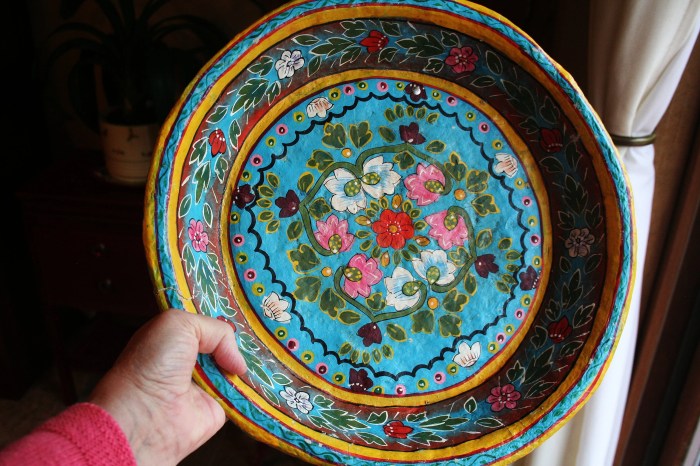
Beginning with Boho chic furniture décor, this captivating style invites a blend of cultures and creativity into your living space. Rooted in the free-spirited essence of the Bohemian lifestyle, it celebrates individuality and a relaxed aesthetic that resonates with many. This design approach reflects an eclectic mix of influences, from vintage to contemporary, allowing homeowners to curate a vibrant yet harmonious environment.
At its core, Boho chic is characterized by an emphasis on natural materials, rich textures, and a bold palette of colors and patterns. It draws inspiration from various cultures and eras, incorporating handcrafted elements that highlight personal stories and experiences. This unique décor style not only beautifies a home but also creates a warm and inviting atmosphere that encourages comfort and creativity.
Introduction to Boho Chic Furniture Décor
The Boho chic design aesthetic is a vibrant and eclectic blend of styles, infused with a sense of individuality and creativity. It draws inspiration from various sources, including global cultures, vintage fashion, and artistic expressions, creating a unique atmosphere that feels both relaxed and inspiring. This style is characterized by an emphasis on personal expression, promoting an organic, free-spirited vibe that invites comfort and warmth into living spaces.Historically, Bohemian style emerged in the 19th century, initially associated with artists, writers, and intellectuals who lived unconventional lifestyles.
This design ethos challenged conventional aesthetics by embracing imperfection and diversity. The term “Bohemian” itself originates from the French word for the Romani people, who were often perceived as free-spirited wanderers. Over the decades, Bohemian style has evolved, incorporating elements from various cultures, such as Moroccan textiles, Indian prints, and mid-century modern furniture, resulting in a rich tapestry of influences that define the contemporary Boho chic décor.
Key Characteristics of Boho Chic Furniture and Décor
Several defining features characterize Boho chic furniture and décor, making it distinctive and easily recognizable. Understanding these elements is crucial for anyone looking to embrace this style in their home.One primary characteristic of Boho chic is the use of eclectic furniture combinations. This might include blending vintage pieces with modern items, showcasing a variety of styles and eras. The overall aim is to create a layered look that feels curated and personal.Another noteworthy aspect is the incorporation of vibrant colors and patterns.
Boho chic spaces are often infused with rich hues like deep reds, blues, and earthy tones, complemented by lively prints and textures. Fabrics such as kilims, macramé, and patterned cushions add depth and warmth to any area.Natural materials play a significant role in Boho chic design. Furniture and décor often feature wood, rattan, and wicker, which contribute to an organic feel.
Additionally, the use of plants and greenery is essential, softening spaces and enhancing the connection with nature.Artwork and handmade crafts are important in Boho chic environments, showcasing the owner’s personality and travels. Wall hangings, tapestries, and unique pieces from local artists make each space truly one-of-a-kind.Finally, comfort is key in Boho chic design. Spaces are typically adorned with oversized cushions, throw blankets, and plush rugs that invite relaxation.
The overall arrangement tends to be casual, encouraging an informal atmosphere where people can gather and enjoy each other’s company.
The essence of Boho chic lies in embracing individuality and creating a sanctuary that reflects personal style and stories.
Elements of Boho Chic Style
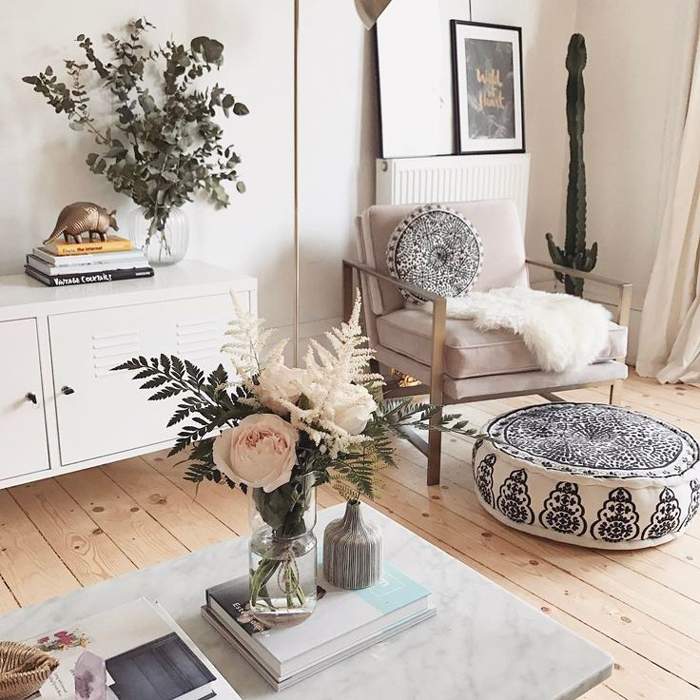
The Boho Chic style is an eclectic blend of various cultures and artistic influences, creating a vibrant yet relaxed atmosphere in furniture and décor. This style emphasizes individuality and creativity, making it a popular choice for those looking to express their unique personalities through their living spaces. To fully understand and appreciate this distinctive aesthetic, it is essential to explore the primary materials, color schemes, and textures that define Boho Chic furniture décor.
Primary Materials Used in Boho Chic Furniture
Boho Chic furniture often incorporates natural and sustainable materials that evoke a sense of warmth and comfort. The choice of materials plays a crucial role in achieving the overall aesthetic. Key materials include:
- Wood: Reclaimed wood, bamboo, and teak are popular choices, offering durability and a rustic charm. Each piece carries its own unique stories and imperfections, adding character to the space.
- Wicker and Rattan: These lightweight materials bring an organic feel to the décor, often used in chairs and baskets. Their intricate weaves create visual interest and promote a laid-back vibe.
- Textiles: Natural fabrics such as cotton, linen, and jute are frequently used in cushions, rugs, and upholstery. These materials not only enhance comfort but also align with the eco-conscious aspect of the Boho style.
The blend of these materials contributes to the warm and inviting nature of Boho Chic furniture, encouraging a sense of connection with the environment.
Popular Color Schemes and Patterns in Boho Décor
The color palette of Boho Chic furniture is as diverse as its influences, embracing an array of vibrant hues and earthy tones. This combination results in a rich visual tapestry that promotes a sense of joy and creativity. The typical color schemes include:
- Earthy Tones: Colors such as terracotta, ochre, and olive green create a grounding effect, reminiscent of nature and outdoor environments.
- Vibrant Accents: Jewel tones like deep purples, vivid reds, and emerald greens are often used as accent colors, injecting energy and enthusiasm into the space.
- Patterns: Layered patterns, including tribal prints, floral motifs, and geometric designs, are commonly found in textiles and wall art. These diverse patterns reflect the global influences that characterize Boho style, allowing for a personalized touch.
The lively color schemes and intricate patterns work harmoniously to create an inviting and visually stimulating environment.
Importance of Textures in Boho Chic Style
Texture plays a vital role in enhancing the overall aesthetic of Boho Chic furniture. The combination of various textures adds depth and warmth to the space, creating a tactile experience that invites one to explore and engage. Key textural elements include:
- Layering: Combining different textures, such as soft textiles, smooth metals, and rough woods, adds visual intrigue and keeps the decor from feeling flat.
- Textured Fabrics: Items like macrame wall hangings, knitted throws, and embroidered cushions introduce a variety of tactile sensations that enrich the ambiance.
- Natural Elements: Incorporating plants, stones, and other organic materials brings an earthy texture that enhances the connection to nature, a core element of the Boho philosophy.
Textures not only contribute to the aesthetic appeal but also evoke emotional responses, fostering a cozy and welcoming environment.
Incorporating Boho Chic Furniture into Home Design
Blending Boho chic furniture into your home design can create a unique and inviting atmosphere filled with warmth and creativity. This eclectic style embraces an array of colors, patterns, and textures, making it versatile enough to complement various home styles. Whether your space is modern, traditional, or somewhere in between, integrating Bohemian elements can enhance its character and charm.To successfully incorporate Boho chic furniture, it’s essential to consider how these pieces can harmonize with your existing décor.
Start by assessing the color palette and overall vibe of your current interior. Boho style thrives on mixing different aesthetics, so don’t shy away from combining vintage and contemporary pieces.
Methods for Integrating Boho Chic Furniture
When integrating Boho chic furniture, focus on creating a cohesive look that feels effortless yet styled. Here are several methods to achieve this:
- Mixing Textures: Incorporate various materials such as wood, rattan, and metal to add depth. For example, a reclaimed wood coffee table paired with a rattan armchair can create a relaxed focal point.
- Layering Patterns: Don’t be afraid to mix bold patterns in your soft furnishings, such as throw pillows and area rugs. Choose complementary colors that tie back into your overall scheme, creating visual interest.
- Emphasizing Natural Elements: Use plant life to enhance the Bohemian vibe. Indoor plants, hanging planters, or terrariums can breathe life into your space while adding a touch of nature.
- Creating Cozy Nooks: Arrange furniture to foster intimate areas within larger rooms. A small seating arrangement with floor cushions and a low table can create a cozy gathering spot.
Role of Accessories and Textiles
Accessories and textiles are fundamental in accentuating the Bohemian atmosphere. They can transform any room into a colorful, inviting space. The right choices can make or break the Boho vibe you’re aiming for. Including a variety of textiles is crucial for achieving that layered look associated with Boho chic.
- Throws and Blankets: Use oversized, textured throws draped over furniture to add coziness. Opt for those with fringes or unique patterns to emphasize the eclectic nature of the style.
- Wall Hangings: Incorporate tapestries, macramé, or framed artwork that resonates with your personal style. These elements can serve as statement pieces while enhancing the overall aesthetic.
- Eclectic Lighting: Choose lighting fixtures that reflect the Bohemian spirit, such as lanterns or unique pendant lights. Soft, warm lighting can create an inviting ambiance.
Choosing the Right Furnishings
Selecting the right furnishings is key to complementing your existing décor. Consider these tips when making your choices:
- Color Coordination: Pay attention to the hues of your existing furniture. Integrate Boho pieces that either harmonize or contrast effectively, creating a balanced look.
- Size and Scale: Ensure that the scale of new pieces fits well within your space. Avoid overcrowding by mixing large and small items to maintain visual balance.
- Sourcing Unique Finds: Hunt for vintage or handmade furniture that reflects the quirky nature of Boho style. Local markets, thrift stores, or artisan fairs are great places to discover one-of-a-kind pieces.
“Incorporating Bohemian elements into your home is about celebrating individuality and comfort through thoughtful design.”
Sustainability in Boho Chic Furniture
The Boho chic style not only elevates the aesthetic appeal of a space but also aligns with sustainable living principles. As consumers become more conscious of their environmental impact, the incorporation of eco-friendly materials and ethical sourcing in Boho chic furniture has gained prominence. Exploring sustainable practices in this decor style can lead to a harmonious balance between beauty and environmental responsibility.Sustainable Boho chic furnishings are typically made from materials that have a lower environmental impact.
These materials not only contribute to the aesthetic of a space but also ensure that the furniture is produced with minimal harm to the planet. Common sustainable materials include:
Eco-Friendly Materials in Boho Chic Furniture
The use of eco-friendly materials in Boho chic furniture is essential to reduce ecological footprints. The following materials are often favored for their sustainability and aesthetic qualities:
- Bamboo: A highly renewable resource, bamboo grows rapidly and requires minimal resources to cultivate. Its lightweight nature and unique texture make it a popular choice for furniture pieces.
- Reclaimed Wood: Utilizing reclaimed wood from old buildings or furniture not only reduces waste but also adds character and history to Boho chic designs.
- Organic Cotton: Used in upholstery and textiles, organic cotton is grown without harmful pesticides and is a biodegradable option, making it a sustainable choice for soft furnishings.
- Jute and Hemp: These natural fibers are biodegradable and durable, often used in rugs and decorative elements within Boho settings.
- Cork: Harvested from cork oak trees without harming the trees, cork is a renewable material that is lightweight, durable, and offers a unique look.
Ethical sourcing practices are vital in the Boho chic furniture market. This includes considering not only the materials used but also the production processes and the working conditions of those involved.
Ethical Sourcing Practices in Furniture Production
Sourcing furniture ethically involves ensuring that each piece is made with care for both the environment and the workers. Here are some practices that promote ethical sourcing:
- Fair Trade Certification: Opting for furniture that comes with a Fair Trade certification guarantees that artisans receive fair wages and work in safe conditions.
- Local Sourcing: Choosing locally produced furniture reduces carbon emissions associated with transportation and supports local economies.
- Transparency in Supply Chains: Brands that disclose their sourcing practices enable consumers to make informed choices about the origins of their furniture.
- Support for Artisans: Many Boho chic pieces are handmade, often by artisans who use traditional techniques. Supporting these craftspeople helps preserve cultural heritage and promotes sustainable livelihoods.
The Boho style inherently embraces green living principles, making it a natural fit for eco-conscious consumers.
Boho Style and Green Living Principles
Boho chic decor is rooted in a philosophy that values individuality and sustainability, aligning perfectly with green living principles. The relationship between Boho style and eco-consciousness can be summarized through the following aspects:
- Emphasis on Natural Elements: Boho chic design often incorporates natural materials and organic shapes, creating a connection to nature that resonates with environmentally friendly living.
- Use of Vintage and Upcycled Items: The Boho aesthetic encourages the use of vintage finds and upcycled furniture, reducing waste and encouraging creativity in decor.
- Colorful and Diverse Textures: Boho chic embraces a mix of colors and textures, often achieved through sustainable fabrics and materials, promoting a vibrant yet eco-friendly home environment.
- Holistic Approach: Adopting Boho chic decor often involves a holistic view of living spaces, where mindfulness and sustainability go hand in hand, creating serene and eco-friendly homes.
By understanding the sustainable elements of Boho chic furniture and the ethical practices involved in sourcing, individuals can create beautiful spaces that honor the planet while reflecting their personal style.
Heating and Air Conditioning Considerations
Maintaining a comfortable environment in a Boho styled home goes beyond aesthetic choices; it also involves thoughtful considerations regarding heating and air conditioning systems. The Bohemian style emphasizes a relaxed, earthy vibe, which can seamlessly integrate with eco-friendly solutions for climate control. By choosing systems that align with sustainable practices, homeowners can enjoy a cozy atmosphere while respecting the environment.Efficient climate control is essential for creating a pleasant living space in a Boho chic home.
Here are some factors to consider when selecting heating and cooling systems that not only enhance comfort but also contribute to eco-friendly living:
Eco-Friendly Heating and Cooling Solutions
When it comes to heating and air conditioning, it is important to choose systems that minimize environmental impact. Here are some eco-friendly options that can be effectively incorporated into a Boho chic environment:
- Heat Pumps: These systems provide both heating and cooling by transferring heat rather than generating it. They are energy-efficient and can lower electricity bills while maintaining a comfortable temperature.
- Solar Heating: Utilizing solar panels for heating can significantly reduce dependency on traditional energy sources. A well-placed solar thermal system can provide hot water or space heating, which aligns perfectly with the Bohemian love for nature.
- Wood Stoves: A rustic wood stove not only serves as an effective heating source but also acts as a stunning centerpiece in Boho decor. Opt for sustainably sourced wood to further embrace eco-friendly values.
- Geothermal Systems: These systems tap into the Earth’s natural heat and can be an excellent long-term investment, enhancing both comfort and sustainability.
Incorporating heating elements that complement the Boho aesthetic can enhance both form and function. For example, a vintage-inspired cast-iron radiator can serve as a beautiful focal point while providing efficient heating. Additionally, decorative textiles like macramé wall hangings and layered rugs can help regulate temperature, contributing to a cozy, inviting atmosphere.
“A blend of eco-friendliness and style can ensure that your Boho home remains a comfortable sanctuary regardless of the season.”
When considering air conditioning solutions, look for units that offer energy-efficient ratings (SEER) and programmable thermostats. Ductless mini-split systems can blend into the design of the home without compromising on the Bohemian aesthetic. They allow for flexible installation and can often be found in various finishes that fit seamlessly into the decor.With thoughtful choices in heating and cooling systems, you can achieve a harmonious balance of comfort and style in your Boho chic home, all while promoting sustainability and eco-conscious living.
The Role of Home Inspections in Boho Chic Spaces
When embracing the vibrant and eclectic world of Boho chic furniture décor, it’s crucial to understand the significance of thorough home inspections, particularly when dealing with vintage or second-hand pieces. This style often incorporates unique finds that tell a story, but as charming as they may be, they can also come with hidden issues that could affect both aesthetic appeal and structural integrity.
A proper inspection can help ensure that your Boho chic home remains a sanctuary of style and comfort.Inspecting vintage or second-hand Boho furniture is essential for several reasons, primarily to avoid costly repairs or replacements later on. Vintage items can harbor problems that newer pieces might not, including structural weaknesses or damage from pests. Here are some common issues to watch for when selecting Boho furniture:
Common Issues in Vintage or Second-Hand Boho Furniture
Identifying potential problems in vintage pieces is an important step in maintaining the integrity of your décor. Here are some common issues to look for:
- Wood Rot: Look for signs of decay in wooden furniture, especially in damp areas.
- Pest Damage: Check for evidence of termites or other pests that can compromise furniture stability.
- Loose Joints: Inspect for wobbly legs or loose components that may need reinforcement.
- Fabric Wear: Examine upholstery for rips, stains, or fading that may indicate wear and tear.
- Missing Parts: Ensure all pieces are intact, including knobs, drawers, and hinges, which can affect functionality.
Understanding these common issues will not only enhance your home’s aesthetic but also maintain its safety and longevity. Regular inspections and maintenance can greatly extend the life of your Boho décor.
Preventative Maintenance Tips for Boho Décor
To preserve the quality and allure of your Boho chic pieces, implementing regular maintenance practices is key. Consider the following tips to keep your furniture looking fresh and vibrant:
- Regular Cleaning: Dust surfaces regularly and clean fabrics as needed to prevent buildup.
- Temperature Control: Maintain a stable environment to reduce the risk of wood warping or fabric fading.
- Avoid Direct Sunlight: Position furniture away from direct sunlight to prevent color fading.
- Moisture Control: Use dehumidifiers in damp areas to prevent mold and rot in wooden pieces.
- Routine Checks: Periodically inspect furniture for signs of wear or damage, addressing issues promptly.
By incorporating these practices, you can ensure that your Boho chic furniture remains a beautiful and functional part of your home for years to come. Remember, when investing in vintage items, taking the time for proper inspection and ongoing care is essential to maintain the charm and integrity of your eclectic space.
Designing Boho Chic House Plans
Designing house plans that embody the Boho chic aesthetic involves blending comfort, creativity, and a relaxed vibe. This style is characterized by its eclectic mix of colors, textures, and cultures, creating a space that feels inviting and free-spirited. When planning your Boho-inspired home, consider how each element contributes to a harmonious and balanced environment.Creating spaces that encourage a Bohemian lifestyle requires an emphasis on openness and flow.
Innovative designs often incorporate multifunctional areas that support both relaxation and social interaction. Here are key considerations for designing Boho chic house plans:
Open Space Concepts
Open spaces are central to the Boho chic style, allowing for a natural flow between different areas of the home. Emphasizing connectivity between indoor and outdoor spaces enhances the overall ambiance. Consider incorporating the following elements:
- Flexible Layouts: Use multifunctional furniture that can easily be rearranged, allowing for gatherings, relaxation, or even creative activities like yoga or art projects.
- Large Windows: Install expansive windows or sliding doors that open to outdoor living areas, blurring the lines between inside and outside.
- Indoor Gardens: Create vertical gardens or use potted plants to enhance air quality and add a natural feel to the environment.
- Natural Light: Prioritize natural lighting by incorporating skylights or clerestory windows, creating a warm and inviting atmosphere.
Incorporating Natural Elements
Natural elements play a vital role in Boho chic designs. The layout should reflect a connection to nature, so integrating these components into your home’s design is essential. Some ways to achieve this include:
- Natural Materials: Utilize materials like reclaimed wood, stone, and bamboo for flooring, countertops, and furniture, promoting sustainability and authenticity.
- Earthy Color Palettes: Opt for a color scheme inspired by nature, such as soft greens, warm browns, and deep blues, to create a tranquil environment.
- Textured Fabrics: Incorporate textiles made from natural fibers, such as cotton, wool, and linen, which add warmth and tactile interest to spaces.
- Water Features: Consider adding indoor fountains or reflecting pools, bringing a sense of peace and serenity to the living area.
“A Boho chic home is not just a place; it’s a feeling of freedom, creativity, and connection to the earth.”
Conclusion and Future Trends
As we wrap up our exploration of Boho chic furniture and décor, it’s essential to reflect on how this vibrant style continues to evolve and adapt to modern influences. The Bohemian aesthetic, characterized by its eclectic mix of patterns, textures, and cultural inspirations, is not just a transient trend but a durable movement within contemporary interior design. Moving forward, we can expect to see innovative directions that blend this free-spirited style with sustainability and technological advancements.The Boho chic style is increasingly integrating modern elements that enhance its traditional roots while offering fresh, practical applications to today’s design challenges.
Notably, the trend toward sustainable materials is reshaping how Boho chic furniture is produced and marketed, allowing for a more eco-conscious approach to home décor.
Emerging Trends in Boho Chic Furniture
A significant aspect of the future of Boho chic is its response to changing consumer preferences and lifestyles. A few key trends are emerging that are set to redefine this beloved style:
- Natural Materials: The use of sustainable materials such as reclaimed wood, organic cotton, and bamboo continues to rise. This not only promotes environmental responsibility but also aligns perfectly with the organic feel of Bohemian design.
- Smart Furniture: Incorporating technology into furniture, like charging capabilities built into tables and smart lighting, is becoming more common, reflecting the needs of modern lifestyles while maintaining aesthetic appeal.
- Global Influence: As travel becomes more accessible, the infusion of diverse cultural elements into Boho chic design is expected to flourish. Textiles, art, and furniture from various global sources will create even richer, more personalized spaces.
- Minimalist Boho: A movement toward a more minimalist take on Boho chic is gaining traction, where a few carefully curated pieces replace overwhelming eclecticism, emphasizing quality over quantity.
The continued evolution of Boho chic will undoubtedly gather momentum as designers explore ways to harmonize creativity with functionality. We can anticipate that this style will embrace innovative designs that cater to both aesthetics and practicality.
“The future of Boho chic lies in its ability to adapt, drawing from the past while embracing the possibilities of modern design.”
In summary, the Bohemian style is not merely surviving but thriving in a contemporary context. As it evolves, it will remain a canvas for self-expression, allowing individuals to craft spaces that resonate with their unique identities and lifestyles, all while being mindful of sustainability and modern technology.
Summary
In conclusion, Boho chic furniture décor embodies a rich tapestry of influences and a commitment to sustainability, making it a timeless choice for modern homes. As trends evolve, this style promises to continue adapting, blending traditional elements with contemporary insights. Embracing Bohemian principles allows for a living space that is both innovative and personal, ensuring that it remains a beloved trend for years to come.
Quick FAQs
What is the main characteristic of Boho chic furniture décor?
The main characteristic is its eclectic mix of colors, patterns, and textures that celebrate individuality and creativity.
How can I incorporate Boho chic elements into my home?
You can integrate Boho chic elements by mixing vintage and modern furniture, using natural materials, and adding layered textiles and accessories.
Are there any sustainable options for Boho chic furniture?
Yes, many Boho chic furnishings are made from reclaimed wood, organic fabrics, and other eco-friendly materials that align with sustainable practices.
Can Boho chic style work in small spaces?
Absolutely! Boho chic can enhance small spaces with its focus on layered textiles and strategic use of color to create a cozy, inviting atmosphere.
What colors are popular in Boho chic décor?
Popular colors include earth tones, vibrant jewel tones, and warm neutrals, often used in bold patterns and layered textures.


