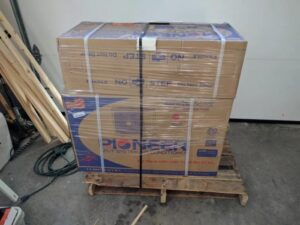
Ductless mini split systems provide an innovative solution for heating and cooling homes without the need for extensive ductwork. These systems consist of both an outdoor unit and one or more indoor units, allowing for personalized climate control in different areas of your home. Not only do they offer flexibility and convenience, but they also boast impressive energy efficiency, making them a popular choice among homeowners looking to reduce their utility bills.
As we delve deeper into the world of ductless mini splits, we will explore their installation process, maintenance requirements, cost considerations, and the various benefits they offer for sustainable living. Whether you’re renovating an existing space or planning a new build, understanding these systems can help you make informed decisions about your home’s heating and cooling needs.
Overview of Ductless Mini Split Systems
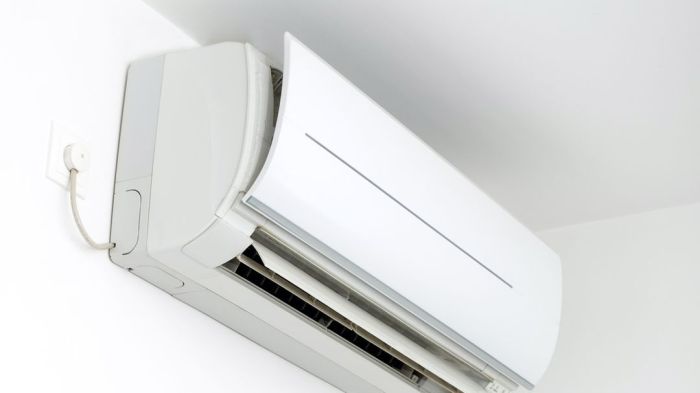
Ductless mini split systems have become increasingly popular in residential and commercial heating and cooling. These versatile systems are designed to provide efficient climate control without the need for ductwork, making them an ideal choice for various applications. This overview will delve into their basic components, operational principles, and the advantages they offer over traditional HVAC systems.The fundamental components of a ductless mini split system include an outdoor condenser unit and one or more indoor air-handling units.
The outdoor unit contains the compressor and condenser, which expel heat from the refrigerant. The indoor units, typically mounted on walls or ceilings, distribute the conditioned air throughout the space. These systems operate using a refrigerant that absorbs heat from the indoor air and transfers it outside during cooling, while in heating mode, they reverse this process, extracting heat from the outside air and distributing it indoors.
Advantages of Ductless Mini Splits
Ductless mini splits provide numerous benefits compared to conventional HVAC systems that rely on ductwork. Some of these advantages include:
- Energy Efficiency: Ductless mini splits typically have higher SEER (Seasonal Energy Efficiency Ratio) ratings, translating to significant energy savings. For example, many systems achieve SEER ratings of 20 or higher, whereas traditional systems often range from 13 to 16.
- Flexible Installation: The absence of ductwork allows for easier installation in various building layouts, including retrofit applications where adding ducts is impractical.
- Customized Climate Control: With multiple indoor units connected to a single outdoor unit, homeowners can individually control the temperature in different rooms, enhancing comfort and reducing energy waste.
- Improved Indoor Air Quality: Ductless systems often include multi-stage filtration, which helps to reduce allergens, dust, and pollutants circulating in the air, promoting better health for occupants.
Energy Efficiency Ratings
Understanding energy efficiency ratings is crucial for homeowners considering ductless mini split systems. The two primary metrics commonly discussed are SEER and HSPF (Heating Season Performance Factor).
SEER ratings reflect the cooling efficiency of an air conditioner over a typical cooling season, while HSPF ratings indicate heating efficiency.
Higher ratings signify greater efficiency and lower operating costs. For instance, a unit with a SEER of 22 is approximately 30% more efficient than one with a SEER of 16. Furthermore, ductless mini splits can significantly reduce energy consumption, leading to lower utility bills and a reduced carbon footprint, making them an environmentally friendly option. Homeowners should look for ENERGY STAR certified systems, as these meet stringent efficiency guidelines set by the U.S.
Environmental Protection Agency.In summary, ductless mini split systems present a modern, efficient alternative to traditional HVAC systems, offering flexibility in installation, superior energy efficiency, and improved indoor air quality, all of which contribute to a more comfortable living environment while being economical over time.
Installation Process of Ductless Mini Split Systems
Installing a ductless mini split system can seem daunting, but with the right preparation and knowledge, it can be a smooth process. These systems are popular for their efficiency and flexibility, making them an attractive option for many homeowners. Understanding the installation steps, potential challenges, and preparation required can help ensure success.The installation of a ductless mini split system involves several key steps that need to be followed closely.
This process not only includes the physical installation of the units but also electrical and refrigerant line connections. Following these steps will lead to an efficient and effective installation.
Steps Involved in Installation
The installation of a ductless mini split system generally follows these crucial steps:
1. Selecting the Location
Determine the best location for both the indoor and outdoor units. Ensure the indoor unit is placed in a central location for optimal airflow, while the outdoor unit should be in a well-ventilated space.
2. Mounting the Indoor Unit
Secure the indoor unit on the wall with brackets. Ensure it’s level and that the area is clear of obstructions for efficient operation.
3. Creating the Hole for Refrigerant Lines
Drill a small hole in the wall to allow refrigerant lines, power cables, and drainage to pass through. This hole should be slightly angled downward towards the outside to ensure proper drainage.
4. Installing the Outdoor Unit
Place the outdoor unit on a stable base or platform, preferably elevated to avoid water accumulation. Ensure the unit has adequate space for airflow.
5. Connecting Refrigerant Lines and Electrical Wiring
Connect the refrigerant lines between the indoor and outdoor units, following the manufacturer’s specifications. Electrical wiring must also be connected to supply power to the indoor unit.
6. Testing the System
Once everything is connected, test the system to ensure it operates correctly, checking for any leaks in the refrigerant lines.
7. Finalizing the Installation
Seal any gaps around the refrigerant lines and wires with insulation and cover the hole to prevent air leaks.
Common Challenges During Installation
While the steps above provide a clear path for installation, several challenges might arise:
Improper Sizing
A common issue is selecting a unit that is either too large or too small for the space. This can lead to inefficient heating or cooling. Homeowners should consult with professionals to determine the correct size based on the area’s square footage.
Refrigerant Leaks
These can occur if the refrigerant lines are not sealed properly, leading to performance issues. Ensuring connections are tight and using a vacuum pump to evacuate the lines can help prevent this.
Electrical Issues
If the existing electrical system cannot support the new unit, it could lead to tripped breakers or failure to operate. Homeowners should have a licensed electrician evaluate the electrical system before installation.
Drainage Problems
Improper installation can lead to water drainage issues, causing leaks or water damage. Ensuring proper slope and drainage setup is essential.
Installation Checklist for Homeowners
Before beginning the installation, it’s important to prepare adequately. Here’s a checklist to guide homeowners through the pre-installation process:
Check Local Regulations
Research local building codes and obtain any necessary permits before starting the installation.
Assess the Home’s Layout
Evaluate where the indoor and outdoor units will be placed. Consider factors such as proximity to power sources and accessibility for maintenance.
Consult with HVAC Professionals
If unsure about sizing or installation, engaging a professional can provide valuable insights and ensure compliance with local laws.
Evaluate the Current Electrical System
Check if the existing electrical panel can handle additional load, especially if the system is large.
Prepare the Installation Area
Clear the installation zones of any debris or obstructions, ensuring a clean environment to work in.
Plan for Insulation
Ensure that insulation materials are on hand to cover any holes or gaps after installation to maintain energy efficiency.
Gather Necessary Tools and Materials
Prepare tools like drills, screwdrivers, wrenches, and any specific materials listed in the installation manual.By following these steps and preparing adequately, homeowners can ensure a successful installation of their ductless mini split systems, leading to a comfortable and efficient home environment.
Maintenance of Ductless Mini Split Systems
Regular maintenance of ductless mini split systems is essential for ensuring their efficiency and longevity. By adhering to a consistent maintenance schedule, homeowners can avoid unexpected breakdowns, improve indoor air quality, and reduce energy costs. This section details key maintenance practices, troubleshooting tips for common issues, and guidelines for filter cleaning to keep your system running at peak performance.
Regular Maintenance Schedule
Establishing a regular maintenance schedule is crucial for the optimal functioning of your ductless mini split system. Homeowners should aim for the following routine tasks:
- Monthly: Check and clean the air filters. Dirty filters can restrict airflow, reducing efficiency and indoor air quality.
- Every 3-6 Months: Inspect and clean the outdoor unit, removing debris, dirt, and any obstructions around the unit.
- Annually: Schedule a professional inspection and servicing. This includes refrigerant level checks, electrical component inspections, and overall system performance evaluations.
Consistent attention to these tasks can prevent larger issues down the line and maintain effective temperature control throughout your home.
Troubleshooting Common Issues
Occasionally, ductless mini split systems may experience operational issues. Recognizing common problems can help in troubleshooting effectively. Here are some typical concerns and their solutions:
- If the system is not cooling or heating properly, check the thermostat settings to ensure they are correct. If the thermostat is malfunctioning, consider replacing the batteries or recalibrating it.
- Unusual noises, such as grinding or rattling, may indicate that the outdoor unit is obstructed or that there are loose components. Inspect the unit for debris and tighten any loose screws or parts.
- If you notice water pooling around the indoor unit, it may be due to a clogged condensate drain. Clear any blockages to ensure proper drainage.
Being proactive about identifying and addressing these issues can prolong the life of your system and enhance its performance.
Cleaning Filters for Optimal Performance
Maintaining clean filters is a cornerstone of ductless mini split system upkeep. Dirty filters can lead to reduced airflow and increased energy consumption. Here are detailed steps for effective filter cleaning:
- Turn off the power to the unit to ensure safety during cleaning.
- Remove the front panel of the indoor unit to access the filters. Most panels can be easily detached without tools.
- Gently pull out the filters. If they are particularly dirty, consider rinsing them under lukewarm water. Avoid using harsh chemicals that could damage the filter material.
- Allow the filters to dry completely before reinserting them into the unit. Make sure they fit snugly and securely before replacing the front panel.
By following these steps, homeowners can ensure their ductless mini split systems operate efficiently, leading to better air quality and reduced energy bills.
Cost Considerations for Ductless Mini Split Systems
When contemplating the installation of a ductless mini split system, understanding the financial implications is crucial. These systems offer a blend of efficiency and versatility, but their cost structure can vary widely compared to traditional HVAC systems. This section will Artikel initial costs, installation expenses, long-term savings, and available financing options.
Initial Costs and Installation Expenses
The upfront costs of ductless mini split systems can be more competitive than traditional HVAC installations. On average, a ductless mini split system can range from $2,000 to $5,000, including the indoor and outdoor units, depending on the brand and capacity. Installation costs typically add an additional $1,000 to $2,500, reflecting the complexity of the setup.Cost comparison is essential when evaluating the overall investment.
Traditional central air conditioning systems generally have higher initial costs, ranging from $3,000 to $7,000 for equipment and installation. However, ductless systems may offer significant long-term savings due to their energy efficiency.
“Ductless mini splits can reduce energy costs by up to 30% compared to traditional HVAC systems.”
Long-Term Savings
One of the most compelling advantages of ductless mini splits is their potential for long-term savings. These systems not only reduce energy consumption but also lower maintenance costs due to fewer mechanical parts compared to traditional systems. Over time, homeowners can save significantly on energy bills.A typical household may save between $300 to $600 annually on utility bills, depending on usage and climate.
These savings can offset the initial costs within a few years, making ductless mini splits a financially sound investment.
Financing Options and Incentives
To make the transition more affordable, various financing options and incentives are available for ductless mini split systems. Many manufacturers and local energy companies offer financing plans that allow homeowners to pay for systems over time with manageable monthly payments.Additionally, energy efficiency programs may provide rebates or tax incentives for installing high-efficiency ductless systems. Homeowners should investigate local and federal programs as these can significantly reduce the overall cost.
Cost Comparison Table of Different Brands/Models
To assist in making an informed decision, here’s a comparative table of some popular ductless mini split brands and their average costs:
| Brand | Model | Average Cost | SEER Rating |
|---|---|---|---|
| Daikin | FTXN Series | $3,000 | 20 |
| Mitsubishi | MSZ-GL Series | $3,500 | 22 |
| LG | LSN Series | $2,800 | 19 |
| Pioneer | YMGI Series | $2,500 | 17 |
This table provides a snapshot of various cost ranges and efficiency ratings, enabling homeowners to choose a ductless mini split system that fits their budget and efficiency needs.
Benefits of Ductless Mini Split Systems for Green Living
Ductless mini split systems are rapidly gaining popularity as a sustainable option for heating and cooling homes. These systems are not only efficient but also contribute positively to environmentally friendly practices. As more homeowners become aware of their impact on the planet, the benefits of opting for ductless solutions become even more significant.Ductless mini split systems play a crucial role in promoting sustainable living due to their energy-efficient design.
Unlike traditional HVAC systems that rely on ductwork, mini splits eliminate energy losses associated with leaky ducts. By providing targeted heating and cooling directly to individual rooms, they utilize only the necessary energy to maintain comfort levels. This efficiency reduces the overall energy consumption of a household, thereby lowering utility bills and minimizing carbon footprints.
Energy Efficiency and Carbon Footprint Reduction
The importance of energy efficiency cannot be overstated when it comes to reducing our carbon footprints. Ductless mini split systems operate using inverter technology, which adjusts the compressor speed based on the heating or cooling demand. This results in significantly lower energy usage compared to conventional systems. To illustrate the impact of energy-efficient systems, consider the following points:
-
According to the U.S. Department of Energy, ductless mini splits can save homeowners up to 30% on energy bills compared to conventional systems.
- In regions with moderate heating and cooling needs, these systems can achieve SEER (Seasonal Energy Efficiency Ratio) ratings of 20 or higher, indicating superior efficiency.
- By utilizing renewable energy sources, such as solar panels, in conjunction with ductless mini splits, homeowners can further decrease their reliance on fossil fuels.
Energy-Saving Tips for Ductless Systems
Maximizing the benefits of ductless mini split systems involves implementing energy-saving practices. These tips not only enhance efficiency but also promote a greener lifestyle:
- Set the thermostat to a moderate temperature; for cooling, aim for 75°F to 78°F and for heating, 68°F to 70°F to optimize energy use without sacrificing comfort.
- Regularly clean or replace filters to ensure unobstructed airflow, which helps maintain efficiency and prolongs system lifespan.
- Utilize the built-in programmable timer or remote control to limit operation during times when the home is unoccupied.
- Close curtains and blinds during the hottest parts of the day to reduce heat gain in summer, and open them during the day in winter to let sunlight in.
- Consider zoning capabilities in multi-split systems to heat or cool only the rooms in use, reducing unnecessary energy consumption.
By embracing ductless mini split systems and adopting energy-saving practices, homeowners can significantly contribute to sustainable living while enjoying a comfortable indoor environment. These systems not only enhance energy efficiency but also align with a growing commitment to environmental stewardship.
Impact on Home Furniture and Design
Ductless mini split systems are not just practical solutions for heating and cooling; they can also influence the overall aesthetic and functionality of your living space. When integrating these systems into your home, careful consideration of furniture layout and design is essential to ensure optimal performance and visual appeal.The placement of mini splits should be strategic, as it can affect airflow and comfort levels throughout the room.
Ideally, these units should be mounted high on a wall, allowing cool or warm air to circulate effectively without obstruction. This means that furniture pieces should not impede airflow, which can often lead to uncomfortable temperature variations and reduced efficiency.
Placement Considerations for Furniture Layout
When designing your space around ductless mini splits, it’s important to think about how furniture placement can optimize comfort and aesthetics. Here are key considerations:
- Clear Airflow: Ensure that furniture, such as large sofas or bookshelves, is positioned away from the mini split unit to allow unrestricted airflow. This can improve the overall effectiveness of your heating and cooling system.
- Visual Balance: The unit should integrate seamlessly into the overall decor. Consider the color and style of the mini split and how it can complement or contrast with your existing furniture and wall colors.
- Accessibility: Provide enough space for any necessary maintenance or repairs. Avoid placing heavy furniture directly below the unit, as this can complicate access for service technicians.
Aesthetic Integration of Ductless Systems
Integrating ductless mini splits into your home’s decor can be achieved with a few simple strategies that enhance both functionality and style. Here are some tips to consider:
- Concealment Options: Use decorative covers or casings that blend with your room’s decor. These can be painted to match the wall color or made to resemble architectural elements, helping the unit to visually disappear into the background.
- Strategic Placement: Mount the units above existing furniture or in less conspicuous areas of the room to reduce their visual impact while maintaining efficiency.
- Artwork Display: Utilize the wall space around the mini split for decorative artwork or shelving. This draws the eye away from the unit and can enhance the overall room design.
Design Ideas Complementing Ductless Mini Splits
A well-thought-out design can enhance both the functionality of ductless systems and the overall aesthetics of your home. Here are some design ideas that work well:
- Color Coordination: Choose mini split systems in colors that coordinate with the room’s palette. Many brands offer customizable options that can match or complement your interior colors.
- Architectural Features: Incorporate the mini split into an architectural feature, such as a built-in shelf or alcove, to create a cohesive look. For example, adding a small ledge below the unit can not only enhance the design but also provide a place for decorative items.
- Lighting Enhancements: Position ambient lighting near the mini split to highlight it as a design feature rather than a functional necessity. Wall sconces or picture lights can provide both function and style.
Home Inspections and Ductless Mini Split Systems
When it comes to home inspections, ductless mini split systems are an important aspect that inspectors evaluate. These systems not only provide efficient heating and cooling but also play a role in the overall energy efficiency and aesthetic appeal of a home. Understanding what inspectors look for can help homeowners ensure their systems are compliant and optimally functioning.Home inspectors focus on several key elements when assessing ductless mini split systems.
They check for proper installation, including the placement of indoor and outdoor units, ensuring that the refrigerant lines are correctly insulated, and verifying that the electrical connections meet safety standards. Inspectors also assess the system’s maintenance history, looking for signs of neglect, such as dirty filters or lack of regular servicing. Any issues noted can impact the perceived value of the home and influence potential buyers.
Impact on Home Value
A properly installed and well-maintained ductless mini split system can significantly enhance a home’s market value. Potential buyers often view these systems as a modern upgrade, providing benefits such as individual climate control and energy efficiency. In increasingly eco-conscious markets, a home equipped with a ductless mini split system is seen as more attractive, as it can lead to lower utility bills and a reduced carbon footprint.
Consider the following factors that influence the home value associated with ductless mini splits:
- Energy Efficiency: Homes with energy-efficient systems may command higher prices due to ongoing savings on energy bills.
- Market Demand: In regions where ductless systems are popular, homes featuring these installations can sell faster and at higher prices.
- Aesthetic Appeal: Well-placed units that blend seamlessly with the home’s design can add to its overall value.
Compliance with Building Codes and Regulations
Ensuring that a ductless mini split system complies with local building codes and regulations is crucial for homeowners. This compliance not only affects safety but also impacts the home’s appraisal and resale potential. To ensure compliance, homeowners should consider the following best practices:
- Hire Licensed Professionals: Employ certified HVAC technicians for installation to guarantee adherence to local codes.
- Review Local Regulations: Familiarize yourself with local building codes that pertain to HVAC systems to avoid potential fines or rework.
- Regular Inspections: Schedule periodic inspections by professionals to ensure ongoing compliance and address any issues that arise promptly.
By focusing on these areas during home inspections, homeowners can enhance their properties’ value and ensure lasting comfort and efficiency through their ductless mini split systems.
Ductless Mini Split Systems and House Plans
Designing a new house with ductless mini split systems can lead to a more efficient, stylish, and comfortable living space. These systems offer flexible installation options and can be seamlessly integrated into modern house plans. By understanding how to incorporate these heating and cooling solutions from the design phase, architects and homeowners can maximize their benefits.When planning for ductless mini splits, it’s crucial to strategically place indoor units to ensure optimal performance and aesthetics.
Proper placement can enhance air circulation and maintain an unobtrusive appearance. Architects should consider factors such as ceiling heights, wall space, and the overall layout to determine the best locations for these systems.
Incorporating Ductless Mini Splits in House Designs
Integrating ductless mini split systems into house designs requires careful consideration during the planning phase. Here are some essential tips for architects:
- Analyze the space: Assess the floor plan to identify areas that would benefit from individual temperature control.
- Choose appropriate unit sizes: Select units that match the square footage and heating/cooling needs of each room.
- Maintain aesthetic appeal: Opt for units that blend well with the interior design while ensuring accessibility for maintenance.
- Ensure efficient ducting: If using multiple indoor units, plan the refrigerant lines and electrical connections to minimize visibility.
- Plan for zoning: Allow for separate temperature controls in different areas of the home to enhance comfort and efficiency.
| House Plan Type | Features | Advantages |
|---|---|---|
| Open Floor Plan | Fewer walls, spacious layout | Improved air circulation and easy placement of units |
| Two-Story Home | Separate zoning for upper and lower levels | Enhanced comfort with temperature control in each zone |
| Split-Level Home | Multiple levels with distinct living areas | Allows for tailored heating and cooling per level |
| Modern Compact Design | Efficient use of space, open areas | Minimalist appearance, easy integration of units |
“Incorporating ductless mini splits into house designs not only enhances comfort but also contributes to energy efficiency.”
Careful planning during the design phase is key to maximizing the benefits of ductless mini split systems. By considering layout, aesthetics, and efficient zoning, architects can create functional and visually appealing living spaces that leverage the advantages of these innovative heating and cooling solutions.
Last Word
In conclusion, ductless mini split systems represent a significant advancement in home climate control, successfully merging efficiency with style. Their adaptability and energy-saving features make them an excellent investment for those looking to enhance their living spaces while minimizing their ecological impact. As you explore your options, remember to consider all aspects, from installation to ongoing maintenance, ensuring your home remains comfortable and energy-efficient for years to come.
Detailed FAQs
What are the main benefits of ductless mini split systems?
Ductless mini split systems offer flexible installation, improved energy efficiency, and personalized temperature control for different areas of your home.
Can ductless mini splits be installed in any home?
Yes, ductless mini splits can be installed in a variety of home types, including those without existing ductwork.
How often should I maintain my ductless mini split system?
Regular maintenance is recommended at least once a year, including cleaning filters and checking system efficiency.
Do ductless mini splits require a lot of electricity?
No, ductless mini splits are generally more energy-efficient than traditional HVAC systems, often resulting in lower electricity bills.
Are there any rebates available for installing ductless mini splits?
Many utility companies and government programs offer rebates or incentives for installing energy-efficient systems, including ductless mini splits. Be sure to check local resources.