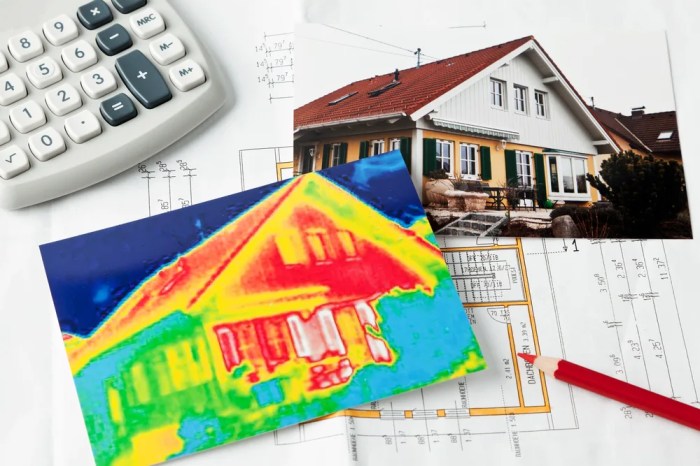
Energy-efficient home upgrades are not just a trend; they’re a necessity in today’s world. As energy costs continue to rise and environmental concerns grow, homeowners are seeking ways to reduce their carbon footprint while saving money. Implementing energy-efficient upgrades can significantly lower utility bills and even enhance the overall value of a home.
This overview will explore various aspects of energy-efficient upgrades, from eco-friendly furniture choices to advanced heating and cooling systems. We’ll also discuss the impact of these upgrades on daily living and how they contribute to a greener planet.
Introduction to Energy-efficient home upgrades
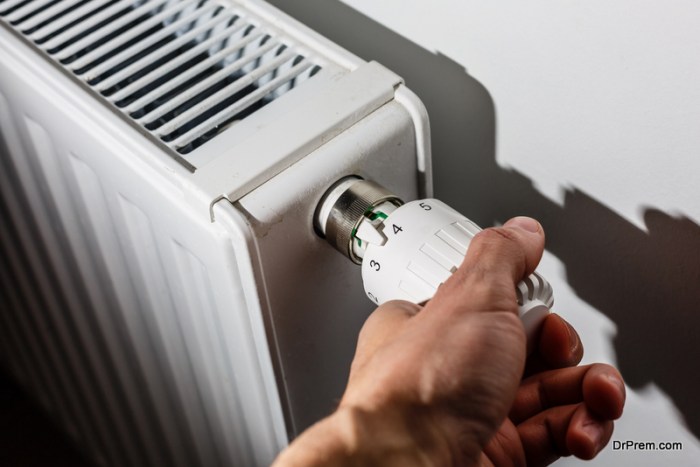
In today’s world, the importance of energy efficiency in homes cannot be overstated. With rising energy costs and increasing awareness of environmental issues, homeowners are seeking ways to reduce their energy consumption and lower utility bills. Energy-efficient upgrades not only contribute to a sustainable future but also enhance the comfort and livability of homes. Around 40% of total energy consumption in the United States comes from residential buildings, which highlights the significant potential for savings through energy-efficient upgrades.
By implementing measures such as improved insulation, energy-efficient appliances, and smart home technology, homeowners can save anywhere from 10% to 50% on their energy bills. Furthermore, these upgrades often lead to increased home value, making them a wise investment in both short-term savings and long-term asset appreciation.
Statistics on Energy Consumption and Savings
Understanding the statistics surrounding energy consumption and potential savings is crucial for homeowners considering energy-efficient upgrades. The U.S. Energy Information Administration reports that the average American household uses about 877 kWh of electricity per month. By upgrading to energy-efficient appliances, homeowners can reduce their energy usage significantly. For example, ENERGY STAR-rated appliances consume up to 50% less energy than standard models.
Upgrading to LED lighting can save an average household about $225 per year on electricity costs, considering that LEDs use at least 75% less energy than incandescent bulbs. Additionally, proper insulation and weatherization can lead to savings of up to 30% on heating and cooling costs.
“Investing in energy-efficient upgrades not only reduces consumption but also enhances property value, making homes more attractive to potential buyers.”
The impact of these upgrades can be substantial. A study by the Appraisal Institute found that homes with energy-efficient features can sell for 3% to 5% more than similar homes without such upgrades. Furthermore, in certain markets, energy-efficient homes can command even higher premiums, demonstrating that energy efficiency is a key selling point for prospective buyers.With the growing trend towards sustainability, energy-efficient home upgrades represent not only a means of reducing environmental impact but also a strategic financial decision for homeowners looking to enhance their property’s value.
Home Furniture and Energy Efficiency
Choosing the right furniture for your home is not just about aesthetics or comfort; it also plays a significant role in energy efficiency and sustainability. By opting for energy-efficient materials and practices, homeowners can contribute to a greener future while enjoying the benefits of stylish and functional living spaces.Selecting furniture made from energy-efficient materials can greatly reduce your carbon footprint.
Materials such as reclaimed wood, bamboo, and recycled metals have lower environmental impacts compared to traditional materials. Additionally, the manufacturing processes for these materials often require less energy, making them a sustainable choice. When purchasing furniture, look for items that are certified by organizations like the Forest Stewardship Council (FSC) or have eco-labels indicating sustainable practices.
Benefits of Second-Hand and Upcycled Furniture
Purchasing second-hand or upcycled furniture is an excellent way to promote sustainability. This practice not only extends the life of existing materials but also reduces the demand for new resources and the energy used in manufacturing new items. By choosing pre-loved furniture, you can find unique pieces that add character to your home while minimizing waste.Here are some notable advantages of opting for second-hand or upcycled furniture:
- Cost-Effective: Second-hand furniture is typically more affordable than new items, allowing you to redecorate or furnish your home within a budget.
- Unique Styles: Vintage or upcycled pieces often have distinct designs that can set your home apart from conventional decor.
- Environmental Impact: By choosing second-hand, you reduce the overall demand for new furniture production, which can be resource-intensive.
- Quality Materials: Older furniture often features higher-quality materials and craftsmanship compared to mass-produced items today.
Eco-Friendly Furniture Brands and Their Sustainable Practices
Several brands are leading the way in sustainable furniture production, employing eco-friendly materials and practices in their manufacturing processes. These brands are notable for their commitment to sustainability and innovation.Here’s a list of some eco-friendly furniture brands and the sustainable practices they incorporate:
- West Elm: This brand focuses on responsibly sourced materials, including reclaimed wood and sustainably harvested materials. They also partner with Fair Trade certified factories.
- IKEA: Known for its affordable furniture, IKEA has committed to using only renewable or recycled materials by 2030 and aims to have a climate-positive impact throughout its supply chain.
- Crate and Barrel: They offer a selection of furniture made from reclaimed wood and promote practices that minimize waste in their operations.
- All Modern: This brand specializes in modern designs while prioritizing sustainable materials, such as recycled and low-VOC finishes.
Incorporating energy-efficient furniture choices into your home not only supports sustainability but also enhances the overall aesthetic and comfort of your living space.
Green Living Practices
Embracing green living practices can significantly enhance energy efficiency in your home while contributing positively to the environment. By incorporating simple daily habits and lifestyle changes, you can reduce your carbon footprint, save on energy bills, and promote a healthier living space. Here’s a closer look at practical measures you can adopt in your everyday life.
Daily Habits for Energy Savings
Implementing energy-saving habits is essential for achieving a greener household. Small adjustments in daily routines can lead to substantial energy savings over time. Here are some effective practices to consider:
- Unplug Devices: Many electronic devices consume power even when turned off. Unplugging chargers, appliances, and electronics when not in use can help save energy.
- Use Energy-Efficient Appliances: Choose appliances with high Energy Star ratings. These appliances are designed to consume less energy without sacrificing performance.
- Optimize Heating and Cooling: Set your thermostat to a comfortable level and consider using programmable thermostats to adjust temperatures automatically when you’re away from home.
- Switch to LED Lighting: Replace incandescent bulbs with energy-efficient LED lights which last longer and use significantly less electricity.
- Embrace Natural Light: Open curtains and blinds during the day to utilize natural sunlight, reducing the need for artificial lighting.
Guide to Implementing a Zero-Waste Lifestyle
Adopting a zero-waste lifestyle means minimizing waste generation and maximizing resource efficiency. This approach complements energy efficiency efforts by promoting sustainability. Here’s a guide to help you get started:
- Reduce Single-Use Plastics: Invest in reusable bags, bottles, and containers to eliminate reliance on disposable items.
- Compost Organic Waste: Create a compost bin for food scraps and yard waste, reducing landfill contributions and enriching your garden soil.
- Shop Responsibly: Choose products with minimal packaging and support local businesses to reduce the carbon footprint associated with transportation.
- Repair and Upcycle: Before discarding items, consider repairing or repurposing them into something new, thus extending their lifecycle.
- Educate and Involve Family: Foster awareness and participation in zero-waste practices within your household to cultivate a collective responsibility toward sustainability.
The Role of Indoor Plants in Air Quality and Energy Use
Indoor plants not only enhance the aesthetic appeal of your home but also play a vital role in improving air quality and energy efficiency. They can act as natural air purifiers by absorbing toxins and releasing oxygen, which contributes to a healthier indoor environment.
“Plants improve air quality by filtering out harmful pollutants, making breathing easier and potentially reducing the need for mechanical air filtration systems.”
In addition to air quality benefits, indoor plants can also help with energy savings:
- Humidity Regulation: Plants release moisture into the air, which can help maintain humidity levels. This may reduce the need for humidifiers or air conditioning.
- Temperature Control: Strategically placing plants can help moderate indoor temperatures, as their transpiration process cools the surrounding air.
- Natural Aesthetics: A visually pleasing environment created by plants can improve mood and productivity, potentially leading to less reliance on artificial lighting during working hours.
Heating and Air Conditioning Upgrades
Upgrading your heating and air conditioning systems is a pivotal step in achieving an energy-efficient home. Traditional HVAC systems often consume a significant amount of energy, leading to higher utility bills and a larger carbon footprint. On the other hand, energy-efficient alternatives not only reduce energy consumption but also enhance comfort levels and contribute to long-term savings.Energy-efficient HVAC systems, such as high-efficiency furnaces and air conditioners, utilize advanced technologies to optimize performance.
These systems often feature variable-speed motors, improved insulation, and higher SEER (Seasonal Energy Efficiency Ratio) ratings, which indicate their efficiency. As a comparison, traditional systems typically operate at a fixed speed, leading to energy waste during low-demand periods. By opting for energy-efficient models, homeowners can experience a noticeable drop in energy costs while enjoying better temperature management throughout their living spaces.
Smart Thermostats and Energy Consumption
Smart thermostats are an excellent addition to any energy-efficient home upgrade. These devices allow for remote temperature control and can learn a homeowner’s schedule, adjusting heating and cooling settings accordingly. The integration of smart technology in home heating and air conditioning systems brings various advantages, including significant energy savings and enhanced comfort.Implementing a smart thermostat can lead to an estimated 10-12% savings on heating bills and 15% on cooling bills annually.
These savings arise from the thermostat’s ability to optimize temperature settings based on occupancy patterns and time of day. For instance, lowering the temperature during the night or when the house is empty can greatly reduce energy consumption without sacrificing comfort. Additionally, many smart thermostats offer features such as energy usage reports and alerts, helping homeowners monitor their energy consumption and make informed decisions.
The ease of adjusting settings remotely via a smartphone app also encourages users to take advantage of energy-saving opportunities.
Regular Maintenance for HVAC Systems
Maintaining heating and cooling systems is essential for optimizing energy use and extending the lifespan of these appliances. Regular maintenance not only ensures that HVAC systems operate efficiently but also helps in identifying potential issues before they escalate into costly repairs.Key maintenance tasks include:
- Filter Replacement: Replacing or cleaning air filters every one to three months is crucial for maintaining airflow and efficiency. Clogged filters can significantly increase energy consumption.
- Annual Inspections: Scheduling annual professional inspections helps in identifying inefficiencies, leaks, or mechanical issues that could hinder system performance.
- Cleaning Ductwork: Periodic cleaning of ductwork is important to ensure that air flows freely, reducing strain on the system and enhancing indoor air quality.
- Checking Refrigerant Levels: Ensuring proper refrigerant levels in air conditioning units is essential for maintaining efficiency and preventing system overwork.
A well-maintained HVAC system can operate at peak efficiency, significantly reducing energy consumption and prolonging the life of the equipment. Homeowners can expect improved comfort levels and lower energy bills by committing to a regular maintenance schedule.
The efficiency of HVAC systems is notably enhanced through a combination of smart technology and diligent maintenance practices.
Home Inspections for Energy Efficiency
When it comes to making energy-efficient upgrades to your home, understanding your current energy usage is crucial. Home inspections, specifically energy audits, play an essential role in identifying areas for improvement and ensuring that any upgrades will yield the maximum benefit in terms of energy savings and comfort. By conducting a thorough inspection, homeowners can prioritize their upgrades and make informed decisions based on actual data rather than assumptions.Energy audits assess the efficiency of your home’s systems, helping to pinpoint inefficiencies that may be draining your energy and increasing your bills.
These audits can also provide a roadmap for subsequent improvements. A professional auditor can analyze factors such as insulation quality, heating and cooling systems, and appliance efficiency. However, homeowners can also take initial steps to evaluate their energy usage by following a simple checklist.
Homeowner Energy Usage Assessment Checklist
A preliminary assessment can empower homeowners to understand their energy consumption better. Here is a checklist to guide you through evaluating your current energy usage:
- Check for air leaks around windows and doors by conducting a simple draft test using a candle or incense stick.
- Inspect insulation levels in the attic, walls, and floors to ensure they meet local building codes.
- Examine heating and cooling systems for maintenance needs, including filter changes and system age.
- Review appliance energy ratings, noting which appliances consume the most energy.
- Assess the type and amount of lighting used in your home, noting the potential for switching to LED options.
- Evaluate your water heating system, considering insulation for hot water pipes and the age of the unit.
- Monitor utility bills for unusual spikes in energy consumption over the past year.
Identifying common issues during energy inspections can lead to effective resolutions that enhance energy efficiency.
Common Issues Found During Energy Inspections
During energy inspections, several typical problems may be discovered, each requiring specific remedies. Recognizing these issues early can save homeowners significant money and discomfort in the long run.
“Energy efficiency upgrades can lead to an average savings of 20-30% on energy bills.”
Some common findings include:
- Poor Insulation: Inadequate insulation can lead to heat loss in winter and heat gain in summer. Solutions include adding more insulation or using weather stripping to seal gaps.
- Leaky Ducts: Ductwork that leaks can waste up to 30% of the energy used for heating and cooling. Sealing and insulating ducts can improve system efficiency significantly.
- Old Appliances: Appliances that are outdated can consume more energy than newer, energy-efficient models. Upgrading to ENERGY STAR-rated appliances can provide significant savings.
- Single-pane Windows: These windows offer little insulation. Consider upgrading to double or triple-pane windows to enhance efficiency.
- Inadequate HVAC Maintenance: A lack of regular maintenance can lead to system inefficiencies. Schedule annual professional servicing and check filters monthly.
By addressing these common issues discovered through energy inspections, homeowners can enhance their home’s efficiency, comfort, and overall sustainability.
Designing Energy-efficient House Plans
Designing energy-efficient house plans is essential for creating homes that are not only comfortable but also environmentally friendly. By integrating various features and design principles, homeowners can significantly reduce their energy consumption and minimize their carbon footprint. This approach not only benefits the environment but also leads to lower utility bills and improved indoor air quality.
Features to Include in Energy-efficient House Designs
Incorporating specific features into house designs can enhance energy efficiency. The following list highlights essential elements that should be considered during the design process:
- Orientation and Layout: Positioning the house to take advantage of natural sunlight can optimize heating and lighting.
- High-performance Insulation: Using advanced insulating materials helps maintain comfortable indoor temperatures.
- Energy-efficient Windows: Double or triple-glazed windows minimize heat loss and improve insulation.
- Air Sealing: Proper sealing around doors, windows, and other penetrations prevents drafts and energy loss.
- Ventilation Systems: Incorporating energy recovery ventilators (ERVs) can improve air quality while minimizing energy use.
- Roof Overhangs: Designing eaves and overhangs helps control sunlight exposure, reducing cooling loads in summer.
- Efficient Lighting Design: Using LED fixtures and strategically placed windows maximizes natural light and reduces reliance on artificial lighting.
Benefits of Passive Solar Design and Natural Ventilation
Passive solar design utilizes the sun’s energy for heating and lighting, reducing the need for mechanical heating and cooling systems. This design approach not only enhances energy efficiency but also creates a more comfortable indoor environment. Key benefits include:
Passive solar design can reduce heating costs by up to 50% in colder climates.
Natural ventilation is another critical component of energy-efficient design, allowing fresh air to circulate without relying on energy-intensive HVAC systems. Benefits of natural ventilation include improved indoor air quality and reduced energy consumption for cooling. With the right design elements, homeowners can create a living space that remains comfortable year-round while minimizing energy use.
Renewable Energy Options to Consider During Planning
Incorporating renewable energy options into energy-efficient house plans can further enhance sustainability. During the planning phase, homeowners should consider the following renewable energy solutions:
- Solar Panels: Installing photovoltaic panels harnesses sunlight, converting it into electricity to power the home.
- Solar Water Heaters: These systems use solar energy to heat water for domestic use, reducing reliance on fossil fuels.
- Wind Turbines: In areas with consistent wind, small wind turbines can generate additional electricity, complementing solar power.
- Geothermal Heat Pumps: Utilizing the stable temperature of the ground, these systems provide efficient heating and cooling.
- Biomass Heating Systems: These systems utilize organic materials for heating, providing a renewable alternative to traditional fuels.
Integrating these renewable energy options not only lowers energy costs but also contributes to a sustainable future, making energy-efficient house designs a viable choice for environmentally conscious homeowners.
Cost-effective Energy Upgrades
Investing in energy-efficient upgrades not only helps in reducing utility bills but also enhances the overall comfort of your home. Understanding the cost-effectiveness of these upgrades allows homeowners to make informed decisions that align with their budgets and energy-saving goals. The following sections break down the financial aspects associated with various energy-efficient home enhancements, providing clarity on installation costs, potential savings, and return on investment (ROI).
Cost vs. Savings Breakdown
When considering energy-efficient upgrades, it’s essential to evaluate the initial investment against the long-term savings on energy bills. Below is a detailed comparison table that Artikels common upgrades, their installation costs, estimated annual energy savings, and ROI percentages based on a typical homeowner’s experience.
| Upgrade Option | Installation Cost ($) | Annual Energy Savings ($) | ROI (%) |
|---|---|---|---|
| LED Lighting | 300 | 150 | 50% |
| Smart Thermostat | 250 | 100 | 40% |
| Insulation Upgrade | 2,000 | 400 | 20% |
| High-Efficiency Furnace | 5,000 | 800 | 16% |
| Solar Panels | 15,000 | 1,800 | 12% |
Financing Options for Energy-efficient Upgrades
Many homeowners may find the upfront costs of energy-efficient upgrades daunting. However, various financing options can ease this burden, allowing for more manageable payment plans. Financing options include:
- Home Equity Loan: Utilizing the equity in your home to secure a loan, which can often provide lower interest rates than unsecured loans.
- Energy-Efficient Mortgages (EEM): These loans allow you to borrow more for energy-efficient home improvements as part of your mortgage.
- Government Incentives: Various programs at the federal, state, and local levels offer rebates or tax credits for energy-efficient upgrades, significantly reducing the overall cost.
- Personal Loans: Unsecured personal loans can cover the expense, though they may come with higher interest rates.
Exploring these financing options can help homeowners invest in energy-efficient upgrades without compromising their financial stability. A careful evaluation of the costs and benefits associated with each option will lead to smarter investment decisions and enhanced energy savings in the long run.
Wrap-Up
In conclusion, embracing energy-efficient home upgrades is a win-win situation for both homeowners and the environment. By investing in sustainable practices and modern technologies, we not only enhance our living spaces but also contribute to a healthier planet. The journey toward a more energy-efficient home is both rewarding and essential, paving the way for future generations.
FAQ Resource
What are energy-efficient home upgrades?
Energy-efficient home upgrades refer to modifications made to a home that reduce energy consumption, such as installing better insulation, Energy Star appliances, or solar panels.
How much can I save on energy bills with upgrades?
Savings vary, but many homeowners report reductions of 20-30% on energy bills after implementing energy-efficient upgrades.
Are energy-efficient upgrades worth the investment?
Yes, they typically offer long-term savings on utility bills and can increase your home’s resale value.
Do energy-efficient upgrades require building permits?
It depends on the type of upgrade; major structural changes often require permits, while smaller upgrades may not.
Can I finance energy-efficient upgrades?
Yes, many financing options are available, including government programs and loans from private lenders aimed at promoting energy efficiency.


