Thermal imaging home inspection is revolutionizing the way we identify problems in our homes, revealing issues that are often invisible to the naked eye. By utilizing advanced technology that detects heat patterns, this method uncovers everything from hidden leaks to energy inefficiencies, ensuring that homeowners are well-informed about their property’s condition.
This innovative approach not only enhances traditional inspection practices but also offers substantial benefits, such as cost savings on repairs and improved energy efficiency. As more homeowners recognize its advantages, thermal imaging is becoming an essential tool in the home inspection industry.
Understanding Thermal Imaging in Home Inspections
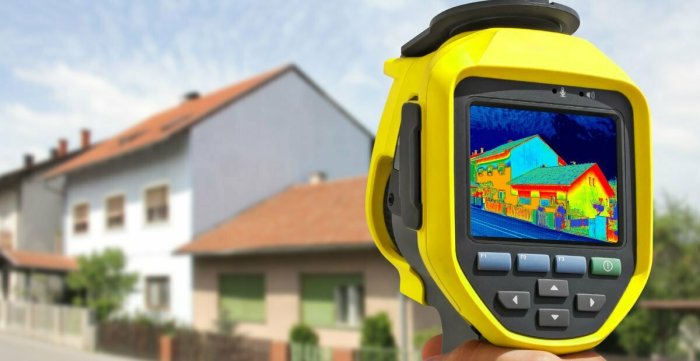
Thermal imaging technology has revolutionized home inspections by providing a deeper insight into the condition of a property. This non-invasive approach allows inspectors to detect issues that may not be visible to the naked eye, enhancing the overall effectiveness of the inspection process. By utilizing infrared cameras, inspectors can capture and analyze heat patterns, leading to better-informed decisions for homeowners and buyers alike.The science behind thermal imaging relies on the principle that all objects emit infrared radiation.
This radiation is measured and translated into an image that displays variations in temperature across different surfaces. Warmer areas will appear in brighter colors, while cooler areas will be represented in darker shades. This color-coding helps inspectors identify potential issues such as heat loss, moisture intrusion, and electrical faults.
Benefits of Using Thermal Imaging in Home Inspections
The integration of thermal imaging into home inspections provides several advantages that significantly enhance the inspection process. These benefits can be summarized as follows:
- Early Detection of Issues: Thermal imaging can reveal hidden problems, such as water leaks or insulation deficiencies, before they become major concerns. Catching these issues early can save homeowners thousands of dollars in repairs.
- Energy Efficiency Assessment: By identifying areas where heat is escaping, thermal imaging helps homeowners improve their energy efficiency. This can lead to lower utility bills and a more comfortable living environment.
- Non-Invasive Inspection: Thermal imaging allows for inspections without causing any damage to the property. This is especially important in delicate areas like walls and ceilings where invasive methods could lead to further complications.
- Comprehensive Data Presentation: The thermal images captured during the inspection provide clear visual evidence of findings. This can facilitate better communication with clients and support informed decision-making.
Common Issues Detected Through Thermal Imaging
Thermal imaging is adept at identifying a variety of issues within a home that might otherwise go unnoticed. The following are some common problems that inspections often reveal:
- Moisture Intrusion: Thermal imaging can highlight areas of moisture accumulation behind walls or ceilings, which can lead to mold growth and structural damage if left unaddressed.
- Insulation Gaps: Inadequate insulation can result in significant heat loss. Thermal imaging helps pinpoint these gaps by showing temperature differences between well-insulated and poorly insulated areas.
- Electrical Problems: Overheating electrical components can be detected through thermal imaging, allowing inspectors to identify potential fire hazards and recommend timely repairs.
- Pest Infestation: Certain pests, such as termites, can generate heat as they nest within walls. By detecting unusual thermal patterns, inspectors may uncover signs of infestation.
Process of Thermal Imaging Home Inspection
Conducting a thermal imaging home inspection involves a systematic approach to identify potential issues within a property. This innovative technology aids inspectors in detecting problems that are often invisible to the naked eye, ensuring a comprehensive evaluation of the home. Understanding the steps involved, the equipment utilized, and the required training can enhance the effectiveness of this inspection process.The process of conducting a thermal imaging inspection typically includes several key phases.
Each step is critical in ensuring an accurate assessment and includes preparation, inspection, and reporting. The following Artikels these essential steps:
Step-by-Step Process of Thermal Imaging Inspection
A thorough understanding of the thermal imaging inspection process helps ensure that all potential issues are addressed during the evaluation. Below are the primary steps involved:
- Pre-Inspection Preparation: Inspectors prepare by reviewing the property documentation, including previous inspection reports, blueprints, and any known issues.
- Equipment Setup: The necessary thermal imaging camera is set up, ensuring it is calibrated and ready for use. The inspector checks for proper battery life and operational functionality.
- Exterior Inspection: The inspector begins by examining the exterior of the home, identifying any thermal anomalies such as poor insulation or moisture intrusion.
- Interior Inspection: Each room is inspected for temperature variations. The inspector scans walls, ceilings, floors, electrical panels, and plumbing areas to detect hidden issues.
- HVAC System Evaluation: The performance of the heating, ventilation, and air conditioning systems is assessed through thermal imaging to ensure they are functioning efficiently.
- Documentation: All findings are documented, often with thermal images highlighting areas of concern for the homeowner.
- Report Generation: A comprehensive report is created, summarizing the inspection findings, accompanied by thermal images and recommendations for repairs if necessary.
Equipment Used for Thermal Imaging
The effectiveness of a thermal imaging inspection largely depends on the quality of the equipment used. Below are the common types of equipment integral to this process:
High-quality thermal imaging cameras are essential for accurate detection of temperature variations.
- Thermal Imaging Cameras: Devices that detect infrared radiation and translate it into thermal images. Models vary based on resolution and features, with higher-end cameras offering advanced functionalities.
- Tripods: Used to stabilize the camera for consistent imaging, especially during longer inspections.
- Software for Analysis: Programs that assist in analyzing thermal images and compiling detailed inspection reports.
- Personal Protective Equipment (PPE): Ensures the safety of the inspector during the inspection process.
Training and Certifications Required for Home Inspectors
Proper training and certification are crucial for inspectors to effectively conduct thermal imaging inspections. These qualifications ensure that inspectors can accurately interpret thermal images and recognize potential issues.
Certification from recognized organizations enhances an inspector’s credibility and knowledge base.
Inspectors often pursue certifications from reputable bodies, such as:
- Infrared Training Center (ITC): Offers courses and certifications on thermal imaging applications in building inspections.
- National Institute of Building Inspectors (NIBI): Provides training that includes thermal imaging inspection techniques and methodologies.
- American Society of Home Inspectors (ASHI): Offers resources and training for home inspectors, including thermal imaging practices.
Importance of Thermal Imaging for Homeowners
Thermal imaging has revolutionized home inspections, offering a unique view into the hidden aspects of a property. For homeowners, understanding the significance of thermal imaging is crucial as it aids in early detection of issues, ultimately saving time and money. This technology not only identifies problems that may not be visible to the naked eye but also enhances overall energy efficiency in the home.
Cost Savings on Repairs
One of the most compelling reasons homeowners should consider thermal imaging is its ability to identify potential issues before they escalate into costly repairs. By detecting problems such as leaks, electrical faults, or insulation gaps early on, homeowners can avoid expensive remediation costs later. For instance, a small roof leak may seem insignificant initially, but if left untreated, it can lead to extensive water damage and mold growth, resulting in thousands of dollars in repairs.
-
Early detection through thermal imaging can save homeowners up to 30% on repair costs.
- In one case, a homeowner discovered hidden plumbing issues using thermal imaging, which allowed them to fix the problem before it caused severe water damage.
- Another instance involved a homeowner who identified insufficient insulation in their attic, enabling them to make an energy-efficient upgrade that lowered their heating bills significantly.
Energy Efficiency Issues
Thermal imaging plays a vital role in assessing energy efficiency within a home. By visualizing heat loss, homeowners can pinpoint areas that are not properly insulated or sealed, leading to excessive energy consumption. This insight allows for targeted improvements, ultimately reducing utility bills and enhancing comfort.
- Homes that undergo thermal imaging inspections report an average energy savings of 15% to 20% after addressing identified issues.
- Thermal imaging identifies drafts around windows and doors, which can be sealed to improve energy efficiency.
- In a notable case, a family used thermal imaging to detect cold spots in their living room, leading to the installation of additional insulation that resulted in a noticeable decrease in heating costs.
Case Studies of Hidden Problems
Various case studies highlight the effectiveness of thermal imaging in revealing problems that traditional inspections might miss. For homeowners, these examples demonstrate the significant value of incorporating thermal imaging into their maintenance routine.
- A prominent case involved a family purchasing an older home; thermal imaging revealed hidden electrical wiring issues that could have posed a fire hazard, allowing for timely intervention.
- In another instance, a property showed signs of thermal bridging through imaging, pinpointing areas where heat was lost and prompting necessary remedial action.
- Thermal imaging also helped a homeowner discover pest infestations in their walls that were invisible during visual inspections, preventing further damage to the property.
Relation of Thermal Imaging to Home Furniture
Thermal imaging technology plays a significant role in enhancing the longevity and condition of home furniture. By revealing hidden issues, such as moisture intrusion or pest infestations, thermal imaging provides homeowners with valuable insights that traditional inspections may overlook. Understanding the relationship between this innovative technology and furniture can lead to more informed maintenance decisions and improved home environments.One of the primary advantages of thermal imaging in relation to furniture is its ability to detect moisture problems.
Excess moisture can lead to mold growth, wood rot, and other detrimental conditions that compromise furniture integrity. For instance, thermal cameras can identify areas of a sofa or chair that may have absorbed water, such as spots near windows or walls. This early detection allows homeowners to address the issue promptly before it escalates into costly repairs or replacements.
Furniture Types Benefiting from Thermal Imaging Inspections
Various types of furniture can significantly benefit from thermal imaging inspections. Understanding which pieces are at risk can help homeowners take preventative measures. The following are key furniture types that can be assessed through this technology:
- Wooden Furniture: Items like tables, cabinets, and shelves can develop moisture issues, leading to warping or structural damage.
- Upholstered Furniture: Sofas and chairs may harbor hidden mold or dampness, especially if they are near water sources.
- Beds and Mattresses: Thermal imaging can detect moisture buildup beneath mattresses or bed frames, which can lead to health concerns.
- Antique Pieces: Older furniture tends to be more susceptible to environmental changes, making thermal imaging a useful tool for preservation.
The impact of indoor temperatures on furniture durability cannot be overstated. Extreme temperature fluctuations can lead to various issues, such as cracking in wooden furniture or fabric fading. Maintaining a stable indoor climate is essential to prolong furniture life. Thermal imaging helps homeowners monitor temperature variations that may affect their furniture, ensuring a more stable environment conducive to durability.
“Monitoring indoor temperature and humidity can significantly extend the life of your furniture.”
By leveraging thermal imaging technology, homeowners can better understand the condition of their furniture and take proactive measures to maintain their investments.
Green Living and Thermal Imaging
Thermal imaging is a powerful tool that significantly contributes to sustainable living practices. By providing insights into a home’s energy efficiency, thermal imaging allows homeowners to make informed decisions that not only enhance their comfort but also promote environmental sustainability. This technology helps identify areas where energy is being wasted, paving the way for practical solutions that support a greener lifestyle.Thermal imaging reveals energy-saving opportunities within a home by detecting heat loss and air leaks that might otherwise go unnoticed.
These thermal assessments highlight where insulation is lacking or failing, enabling homeowners to target improvements effectively. By addressing these issues, homeowners can reduce their heating and cooling costs, ultimately leading to lower energy consumption and a decreased carbon footprint.
Energy-Saving Opportunities Revealed by Thermal Imaging
Identifying energy-saving opportunities is crucial for promoting a sustainable home environment. Thermal imaging plays a vital role in this by pinpointing specific areas where energy inefficiencies exist. Here are some key findings that thermal imaging can uncover:
- Insufficient Insulation: Thermal imaging can show poorly insulated areas, such as attics and walls, where heat is escaping or entering.
- Air Leaks: The technology detects drafts around windows, doors, and other openings, indicating where sealing or caulking is needed.
- Heating and Cooling System Performance: Thermal images can reveal if HVAC systems are operating efficiently or if there are issues with ductwork that may be contributing to energy loss.
- Appliance Efficiency: Certain thermal imaging scans can help assess the condition of appliances, revealing areas that may need maintenance or upgrades for improved energy efficiency.
Effectiveness of Insulation Evaluated by Thermal Imaging
Evaluating the effectiveness of insulation is essential for maintaining energy efficiency and comfort in any home. Thermal imaging serves as a non-invasive method to assess how well insulation is functioning. Here are some important insights provided by thermal imaging in this context:
- Temperature Differences: Thermal cameras can capture temperature variations across surfaces, indicating areas where insulation may be thin or improperly installed.
- Identifying Moisture Issues: Insulation that is damp or compromised can be detected through thermal imaging, as it will show different thermal signatures compared to dry insulation.
- Comparative Analysis: By comparing thermal images before and after insulation upgrades, homeowners can visualize the impact of improvements and verify their effectiveness.
- Targeted Retrofitting: Thermal imaging allows for precise identification of weak spots, making it easier for homeowners to focus their retrofitting efforts where they will yield the greatest benefits.
Utilizing thermal imaging not only enhances home efficiency but also aligns with the values of green living, promoting a sustainable and eco-friendly lifestyle.
Thermal Imaging and Heating and Air Conditioning Systems
Thermal imaging is a powerful tool in the field of HVAC (Heating, Ventilation, and Air Conditioning) systems, offering insights that traditional inspection methods often miss. By visualizing temperature variations, thermal imaging can pinpoint inefficiencies and issues within HVAC systems, leading to improved performance and energy savings for homeowners.Thermal imaging can effectively diagnose several common issues within HVAC systems. Problems such as duct leaks, insulation deficiencies, and malfunctioning components can be identified quickly and accurately.
Traditional inspection methods often rely on visual examination and manual testing, which can overlook subtle temperature differences that indicate underlying problems. In contrast, thermal imaging provides a comprehensive view, allowing inspectors to detect issues that may not be visible to the naked eye.
Diagnosing HVAC System Issues with Thermal Imaging
Thermal imaging enables the identification of specific issues within HVAC systems, including:
- Duct Leakage: Inadequate sealing of ducts can lead to significant energy loss. Thermal imaging detects temperature discrepancies along ductwork, indicating leaks that can be repaired to enhance efficiency.
- Insulation Gaps: Poor insulation can result in heat loss or gain, affecting the system’s workload. Thermal imaging reveals areas where insulation is lacking or compromised.
- Equipment Malfunctions: Components such as compressors or motors may operate at abnormal temperatures if they are failing. Thermal imaging can identify overheating parts, allowing for timely maintenance before total failure occurs.
Comparison of Thermal Imaging with Traditional Inspection Methods
The effectiveness of thermal imaging becomes evident when compared to traditional inspection methods. While traditional approaches may involve checking equipment functionality and visual inspections, thermal imaging provides a quantifiable analysis of temperature variations. This can lead to more accurate diagnoses and quicker resolutions.
- Speed: Thermal imaging inspections are faster, as they can cover large areas in a short time without needing extensive manual checks.
- Comprehensive Data: Thermal imaging generates visual and numerical data, enabling a detailed analysis of the HVAC system’s performance.
- Non-Invasive: Unlike some traditional methods that may require dismantling parts of the HVAC system, thermal imaging is non-invasive, preserving the integrity of the system while providing critical information.
Optimizing Heating and Cooling Efficiency
Using thermal imaging contributes significantly to optimizing heating and cooling systems. By addressing issues identified through thermal inspections, homeowners can enhance the overall efficiency of their HVAC systems.
- Energy Savings: Identifying and repairing leaks or inefficiencies can lead to substantial reductions in energy consumption, producing savings on utility bills.
- Extended Equipment Life: Early detection of overheating or inefficiencies ensures that HVAC systems operate within their optimal range, extending the lifespan of the equipment.
- Improved Comfort Levels: By ensuring that heating and cooling systems function effectively, thermal imaging helps maintain consistent and comfortable indoor temperatures throughout the home.
“Thermal imaging not only enhances the performance of HVAC systems but also promotes sustainable living by reducing energy consumption and improving comfort.”
Integrating Thermal Imaging in Home Inspections
Incorporating thermal imaging into home inspections transforms the traditional inspection process, enhancing the ability to identify potential issues that may not be visible to the naked eye. This advanced technology provides inspectors with a powerful tool to detect insulation deficiencies, moisture problems, and electrical hotspots, all of which can significantly impact a home’s safety and efficiency. Understanding how to effectively integrate thermal imaging into the inspection workflow is essential for inspectors who aim to provide comprehensive evaluations for their clients.The integration of thermal imaging into home inspections requires a structured approach to ensure thoroughness and accuracy.
Inspectors should prioritize certain best practices to maximize the benefits of this technology. Proper training and familiarity with the equipment, as well as a strategic inspection process, enhance the effectiveness of thermal imaging in revealing hidden problems. Utilizing thermal imaging not just as an add-on, but as a critical component of the inspection process ensures that homeowners receive valuable insights about their properties.
Best Practices for Incorporating Thermal Imaging
To effectively integrate thermal imaging into home inspections, consider the following best practices that can streamline the process and improve outcomes:
1. Training and Certification
Inspectors should undergo formal training in thermal imaging technology and obtain certifications to validate their expertise. This knowledge ensures accurate interpretation of thermal images and enhances credibility with clients.
2. Equipment Calibration
Regular calibration of thermal imaging cameras is essential to ensure accurate readings. Inspectors should verify calibration before each inspection to guarantee reliable results.
3. Pre-Inspection Preparation
Conduct a thorough review of the home’s history, including any known issues or renovations. This context can help guide the thermal imaging process, focusing on areas of potential concern.
4. Systematic Inspection Approach
Utilize a methodical approach by covering the entire property systematically, including exterior walls, attics, basements, and mechanical systems. This thoroughness helps ensure no area is overlooked.
5. Documentation of Findings
Maintain detailed records of thermal images alongside traditional inspection notes. This documentation can be invaluable for clients and can also serve as a reference for future inspections.
6. Follow-Up Recommendations
Provide homeowners with clear recommendations based on the thermal imaging findings. This might include further evaluations by specialists or immediate repairs, depending on the severity of the issues identified.
Checklist for Inspectors Using Thermal Imaging Technology
A checklist can serve as a valuable tool for inspectors to ensure that no critical steps are missed during thermal imaging inspections. Here is a checklist to guide inspectors in their process:
- Check for proper calibration of thermal camera.
- Review the property’s inspection history.
- Prepare a list of areas to focus on based on past issues.
- Conduct a comprehensive inspection covering all spaces.
- Capture thermal images of identified problem areas.
- Document all findings and recommendations thoroughly.
- Provide a comprehensive report for the homeowner post-inspection.
This checklist not only promotes thoroughness but also aids in maintaining consistency across inspections, ultimately leading to more reliable assessments.
Common Misconceptions About Thermal Imaging
Understanding the misconceptions surrounding thermal imaging in home inspections is crucial for both inspectors and homeowners. Here are some common myths clarified:
1. Thermal imaging can detect everything
While thermal imaging is powerful, it cannot identify all issues. It is best used in conjunction with other inspection methods to provide a complete assessment.
2. Thermal images are always reliable
The accuracy of thermal imaging depends on various factors, including environmental conditions and operator experience. Interpretations require expertise to avoid misdiagnosis.
3. Only expensive homes need thermal imaging
Every property can benefit from thermal imaging, regardless of its value. Identifying issues early can save homeowners costly repairs in the long run.
4. Thermal imaging is too complicated
With proper training, inspectors can effectively use thermal imaging technology. It is becoming increasingly user-friendly, making it accessible for inspectors of all skill levels.
5. Thermal imaging replaces traditional inspections
This technology is a complementary tool that enhances traditional inspection methods rather than replacing them. It adds depth to the inspection process and provides a fuller picture of a property’s condition.Incorporating thermal imaging into home inspections is an evolving practice that enhances the value provided to homeowners and contributes to safer, more efficient living environments. Embracing these practices and dispelling misconceptions can lead to improved outcomes for both inspectors and clients alike.
Home Plans and Thermal Imaging Considerations
Thermal imaging technology is not just a tool for inspections; it can also significantly influence home design and planning. By incorporating thermal imaging principles into the architecture and layout of a home, homeowners can enhance energy efficiency, comfort, and overall quality of living. Thermal imaging provides valuable insights into how heat interacts with building materials and designs, enabling builders and architects to make informed decisions that can lead to more sustainable and efficient homes.
By analyzing heat loss areas and thermal bridges during the design phase, potential issues can be addressed before construction begins, leading to fewer renovations later on.
Influence of Thermal Imaging on Home Design
Integrating thermal imaging into home design can help optimize energy efficiency and comfort. It allows designers to visualize how heat will flow through different sections of a house, leading to better decisions about insulation, window placement, and ventilation. Key considerations include:
- Material selection: Choosing materials that provide better insulation can significantly reduce heat loss and energy consumption.
- Orientation of the home: Designing the home to take advantage of natural light and heat from the sun can reduce heating costs.
- Airflow management: Understanding how air moves through a space can lead to improved ventilation designs, promoting healthier indoor air quality.
Methods for Integrating Thermal Imaging into New Home Construction Plans
Incorporating thermal imaging into construction plans requires a proactive approach. Here are several methods for effectively integrating it into new builds:
- Pre-construction thermal analysis: Using thermal imaging prior to constructing the home allows architects to identify potential thermal inefficiencies in the initial design phase.
- Collaboration with builders: Working closely with builders who understand thermal imaging principles can ensure that construction techniques align with energy-efficient practices.
- Incorporate thermal imaging in inspections: Plan for thermal imaging assessments at key stages of construction to ensure that insulation and air sealing are done correctly before walls are closed.
Utilization of Thermal Imaging During Renovation Planning
When planning renovations, thermal imaging can shine a light on existing inefficiencies that could be addressed. This technology reveals hidden issues like moisture problems, drafts, and insulation gaps, allowing homeowners to prioritize improvements. Consider the following applications:
- Identify problem areas: Thermal imaging can pinpoint areas of significant heat loss, guiding homeowners on where to focus their renovation efforts.
- Assess insulation effectiveness: By evaluating the current insulation, homeowners can determine whether to upgrade or replace existing materials.
- Plan for sustainable upgrades: Utilizing thermal imaging insights can help homeowners choose energy-efficient appliances and systems that complement the overall renovation strategy.
Thermal imaging is a game-changer in home planning, ensuring designs are as efficient and sustainable as possible.
Ultimate Conclusion

In conclusion, thermal imaging home inspections provide a crucial layer of insight that can save homeowners both money and stress by identifying hidden issues before they escalate. As technology continues to advance, integrating thermal imaging into regular home inspections will undoubtedly become the norm, making it easier for homeowners to maintain safe and efficient living spaces.
Popular Questions
What is thermal imaging used for in home inspections?
Thermal imaging is used to detect temperature variations that can indicate issues like moisture intrusion, insulation problems, and electrical faults.
Is thermal imaging safe for my home?
Yes, thermal imaging is completely safe as it uses infrared technology that does not emit any harmful radiation.
How does thermal imaging save homeowners money?
By identifying issues early, thermal imaging helps homeowners address problems before they require costly repairs, thus saving money in the long run.
Can thermal imaging be used for older homes?
Absolutely! Thermal imaging is beneficial for homes of all ages, helping to uncover hidden problems that may not be visible otherwise.
Do I need a special certification for thermal imaging inspections?
Yes, home inspectors using thermal imaging should ideally have specialized training or certifications to ensure accurate interpretation of the results.