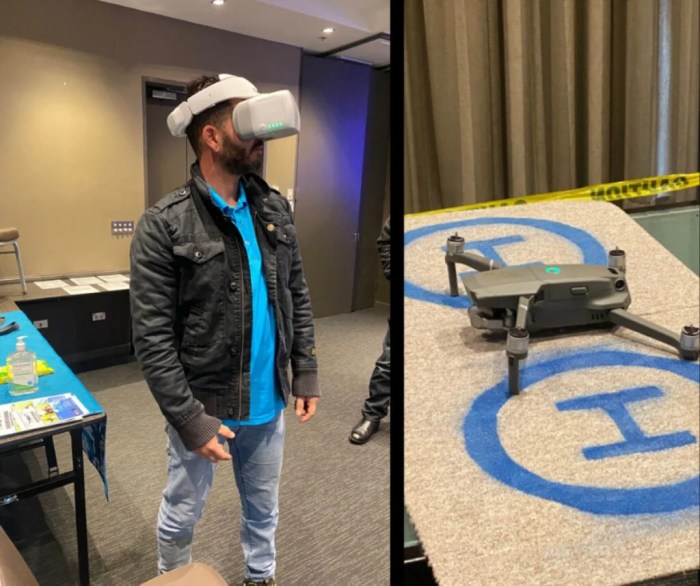
Drone home inspections are transforming the way we approach property evaluations, blending technology with practicality to elevate the entire inspection process. Imagine soaring above rooftops and scanning hidden corners, all while saving time and enhancing safety—this is the new norm in home inspections.
By utilizing drones, inspectors can access hard-to-reach areas with ease, ensuring thorough evaluations that might be impossible through traditional methods. The integration of advanced aerial technology not only streamlines the process but also provides homeowners with valuable insights into their properties.
Overview of Drone Home Inspections
Drone home inspections are revolutionizing the way property evaluations are conducted. Utilizing advanced aerial technology, these inspections allow for a comprehensive assessment of homes without the need for traditional scaffolding or ladders. This modern approach not only enhances safety for inspectors but also streamlines the overall inspection process, making it more efficient and effective.The process begins with a licensed drone operator conducting a thorough pre-flight check to ensure safety and compliance with FAA regulations.
Once airborne, the drone captures high-resolution images and videos, providing a bird’s-eye view of the property. These visuals can reveal issues that may not be easily accessible or visible from the ground, such as roof damage or insulation problems. After the flight, the footage is analyzed, and a detailed report is generated, highlighting any findings for the homeowner or potential buyers.
Benefits of Using Drones for Home Inspections
Embracing drone technology for home inspections comes with several advantages that improve both the quality and speed of inspections. The following points summarize the key benefits:
- Increased Safety: Drones reduce the need for inspectors to climb on roofs or work in unsafe areas, minimizing the risk of falls and injuries.
- Time Efficiency: Inspections that would take hours can now be completed in a fraction of the time, allowing for quicker turnaround on reports.
- Comprehensive Data Collection: Drones can capture high-resolution images and thermal data, providing insights into structural conditions that may not be visible to the naked eye.
- Cost-Effectiveness: While there is an initial investment in drone technology, the overall cost of inspections can decrease due to reduced labor time and increased accuracy.
- Access to Hard-to-Reach Areas: Drones can easily survey difficult-to-reach locations, such as steep roofs or tall structures, without the need for specialized equipment.
Types of Inspections Performed with Drones
Drones are versatile tools that can perform various types of inspections, catering to different needs across the real estate and construction industries. Here’s a closer look at the types of inspections that can be conducted:
- Roof Inspections: Drones can quickly assess the condition of roofs, identifying issues like leaks, missing shingles, or structural damage.
- Thermal Inspections: Utilizing thermal imaging cameras, drones can detect heat loss or insulation deficiencies, making them ideal for energy audits.
- Construction Site Monitoring: Drones provide regular updates on construction progress, capturing images that can be compared against project plans.
- Real Estate Photography: High-quality aerial photographs taken from drones enhance real estate listings, attracting potential buyers with stunning visuals.
- Environmental Assessments: Drones can survey large areas for environmental compliance, monitoring vegetation, water bodies, and other ecological factors.
Advantages of Drone Technology in Home Inspections
Drone technology is transforming the landscape of home inspections, offering innovative solutions that enhance the efficiency and effectiveness of the process. By leveraging aerial views and high-tech capabilities, drones provide homeowners and inspectors with tools that go beyond traditional methods. This discussion highlights the cost-effectiveness, safety improvements, and the speed and efficiency that drones bring to home inspections.
Cost-effectiveness of Drone Inspections
One of the standout advantages of drone technology in home inspections is its cost-effectiveness compared to traditional methods. Traditional inspections often require scaffolding, ladders, or even helicopters for difficult-to-reach areas, which can be expensive. In contrast, drones significantly reduce the need for additional equipment or labor costs. For example, a standard roof inspection might cost $500 using traditional methods, while employing a drone can bring that cost down to approximately $200-$300, saving homeowners a substantial amount of money while still delivering thorough inspection results.
Safety Improvements During Inspections
Safety is a crucial consideration in home inspections, especially when inspecting high or hard-to-reach areas. Drones enhance safety by minimizing the risk to human inspectors. Instead of climbing ladders or traversing unstable roofs, inspectors can operate drones from a safe distance, gathering data without exposing themselves to potential falls or accidents. For instance, using drones for inspecting roof conditions or chimneys eliminates the dangers associated with height and unstable surfaces, making inspections safer for everyone involved.
Speed and Efficiency in Data Gathering
The speed and efficiency of drones in data collection drastically improve the inspection process. Drones are equipped with high-resolution cameras and thermal imaging technology that can quickly capture extensive data in a matter of minutes. Unlike traditional inspections that may take hours, drone inspections can cover large areas swiftly and provide real-time footage and data analysis. For example, a drone can inspect a typical residential roof in less than 30 minutes, producing a comprehensive report almost instantly.
This rapid data gathering allows for quicker decision-making and helps homeowners address potential issues more efficiently.
Drones not only enhance the accuracy of inspections but also help in creating detailed reports that can be shared with homeowners or real estate agents, improving overall communication and transparency in the inspection process.
Applications of Drones in Different Home Inspection Areas
Drones have revolutionized the field of home inspections by providing unique solutions for assessing various areas of residential properties. Their ability to access difficult locations safely and efficiently enhances inspection capabilities, offering homeowners valuable insights into the condition of their properties. Here we explore the specific applications of drones in home inspections, focusing on areas that greatly benefit from aerial technology.
Inspection of Roofs and Chimneys
Drones are particularly effective for inspecting roofs and chimneys, which are often challenging to evaluate due to height and accessibility issues. Traditional inspection methods may require scaffolding or ladders, posing safety risks and additional costs. In contrast, drones equipped with high-resolution cameras can capture detailed images and videos from multiple angles, allowing inspectors to assess the condition of roofing materials, identify potential leaks, and evaluate chimney integrity without any physical contact.For example, a recent case in a suburban neighborhood demonstrated how a drone inspection revealed significant wear on a roof’s shingles that was not visible from the ground.
The homeowners were able to address the issue early, preventing extensive water damage.
Evaluation of Gutters and Downspouts
Gutters and downspouts play a crucial role in directing water away from a home’s foundation, and their condition is essential for preventing water-related issues. Drones facilitate the inspection of these components, especially in multi-story homes. Inspectors can utilize drones to assess gutter alignment and check for blockages caused by debris or vegetation. A notable case involved a historic property where a drone uncovered severe blockages in the gutters, leading to water pooling around the foundation.
This timely detection enabled the homeowners to take corrective action before any significant damage occurred.
Hard-to-Reach Areas and Structural Inspections
Many homes feature architectural designs that include elements difficult to inspect, such as skylights, high eaves, and intricate facades. Drones provide a practical solution for these hard-to-reach places, enabling inspectors to gather data efficiently and safely. The use of drones mitigates risks associated with ladders or scaffolding while providing clear, high-quality visuals. In one instance, a drone inspection of a beachfront property revealed significant corrosion on the metal supports of a balcony structure that was previously inaccessible.
This discovery prompted immediate repairs, ensuring the safety of the occupants.
Thermal Imaging for Energy Efficiency Assessments
Drones equipped with thermal imaging cameras can assist in evaluating a home’s energy efficiency by identifying hotspots or areas of heat loss. This technology is invaluable for assessing insulation quality, window seals, and HVAC performance. A recent project involved a drone performing thermal scans on a newly constructed home. The inspection revealed inadequate insulation in the attic, which, if left unaddressed, could lead to higher energy costs.
The homeowners were grateful for the insights provided by the drone, allowing them to enhance their home’s energy efficiency proactively.
Case Studies of Successful Drone Inspections
Several case studies highlight the effectiveness of drone inspections across various settings. One significant case involved a large estate where traditional inspection methods would have been both time-consuming and costly. A drone inspection revealed not only structural issues but also problems with landscaping that were contributing to drainage issues, ultimately providing a comprehensive assessment that saved the homeowner both time and money.In another instance, a drone was used to inspect a multi-family residential complex, where it detected roof damage that could have led to extensive repairs had it gone unnoticed.
The application of drone technology ensured a thorough inspection, leading to prompt maintenance and increased safety for residents.The adaptability and efficiency of drones in home inspections underscore their growing importance in the industry, providing innovative solutions that save time, reduce costs, and improve safety for both inspectors and homeowners.
Regulations and Safety Guidelines for Drone Inspections
Drones have revolutionized the way home inspections are conducted, but with great technology comes great responsibility. Understanding and adhering to regulations and safety guidelines is crucial for any professional involved in drone inspections, especially in residential areas. Ensuring compliance not only protects the operator but also the privacy and safety of the community.Operating drones in residential areas comes with specific legal requirements that must be followed to ensure safety and compliance with state and federal laws.
In the United States, the Federal Aviation Administration (FAA) regulates drone operations through Part 107 of the Federal Aviation Regulations (FAR). This regulation mandates that drone pilots must obtain a Remote Pilot Certificate, which requires passing a knowledge test. Additionally, drones must be registered with the FAA if they weigh over 0.55 pounds. Compliance with local laws and ordinances is also essential, as some municipalities may have their own restrictions regarding drone usage in residential zones.
Importance of Following FAA Guidelines
Adhering to FAA guidelines is crucial when conducting drone inspections. These guidelines serve as a framework to ensure the safe operation of drones, minimizing risks associated with flying in populated areas. Drones must operate within specified altitude limits, typically not exceeding 400 feet above ground level, and should not fly over people without a waiver. Pilots must also maintain visual line-of-sight with their drones at all times.
By following these guidelines, inspectors can help prevent accidents and mitigate potential legal repercussions.
Best Practices for Ensuring Safety During Inspections
To ensure the safety of both the drone operator and the public, implementing best practices is essential. The following list Artikels key practices to maintain a safe inspection environment:
- Conduct a thorough pre-flight check of the drone, including battery levels, camera functions, and any software updates.
- Always perform a risk assessment of the inspection site, noting any potential hazards such as nearby power lines or trees.
- Communicate with homeowners about the inspection process and inform them of the expected duration and areas of operation.
- Utilize a spotter to help monitor the drone’s flight path, especially in congested areas or near bystanders.
- Ensure that the drone is operated during suitable weather conditions, avoiding high winds, rain, or low visibility situations.
- Respect privacy by avoiding flights over neighboring properties unless permission has been granted.
By following these guidelines and best practices, drone operators can conduct home inspections safely and efficiently, while respecting the community and adhering to legal requirements. The integration of drone technology into the home inspection industry not only enhances operational capabilities but also necessitates strict compliance with safety regulations to ensure a smooth and responsible inspection process.
Integration with Other Home Services
Drone technology in home inspections is not just about capturing aerial views; it’s a gateway to integrating a variety of home services that enhance overall living quality and efficiency. The synergy between drone inspections and other home services can help homeowners make informed decisions, optimize resources, and embrace sustainable living practices.
Linking Drone Inspections with Home Furniture Assessments
Integrating drone inspections with home furniture assessments creates a holistic approach to understanding a home’s environment. Drones can capture high-resolution images and 3D models of the home’s exterior, which can be correlated with the interior layout and furniture placement. This linkage is particularly valuable for identifying space utilization and potential issues like overcrowding or inadequate lighting. For instance, a drone can systematically map out the home’s dimensions, allowing interior designers to visualize how furniture arrangements can be optimized for both aesthetics and functionality.
Furthermore, accessibility features can be better planned through aerial insights, ensuring that furniture does not obstruct vital pathways, which is crucial for homes with mobility challenges.
Relationship Between Drone Inspections and Green Living Initiatives
Drone technology plays a pivotal role in promoting green living initiatives by optimizing energy efficiency and minimizing waste. By providing detailed inspections of roofs, solar panels, and insulation, drones help identify energy loss points that can be addressed for improved sustainability. This technology enables real-time monitoring of environmental factors such as roof wear, vegetation density, and air quality. For example, drones can assess the effectiveness of solar panel installations by evaluating their alignment and any obstructions that may hinder sunlight exposure.
This data can inform homeowners about necessary adjustments to maximize solar energy use, thereby contributing to lower energy bills and a reduced carbon footprint.
Utilizing Drone Data for Optimizing Heating and Air Conditioning Systems
The data captured by drones can significantly enhance the efficiency of heating and air conditioning (HVAC) systems. By conducting thorough inspections of ductwork and HVAC units from an aerial perspective, drones can pinpoint inefficiencies and areas requiring maintenance.This integration allows HVAC technicians to receive precise information on system performance, such as identifying leaks in duct insulation or obstructions around outdoor units.
Drones can map out temperature variations across the home, revealing areas where heating or cooling is underperforming. Consequently, homeowners can make informed decisions regarding system upgrades or repairs, ensuring optimal comfort and energy efficiency.Additionally, drone inspections can support the installation of smart HVAC technologies that adapt to real-time data, allowing for more personalized climate control based on usage patterns and environmental conditions.
This seamless integration ultimately leads to a more efficient home that aligns with modern green living principles.
Future Trends in Drone Home Inspections
As technology rapidly evolves, the landscape of drone home inspections is set to undergo significant transformations. The integration of advanced technologies will not only enhance the efficiency of inspections but also improve the accuracy of the findings. The future holds promise for a more streamlined inspection process that benefits both inspectors and homeowners alike.The advent of new technologies will reshape how drone inspections are conducted.
Current methods primarily involve visual assessments captured through aerial footage, but future innovations will introduce sophisticated features that elevate this practice. For instance, drones equipped with thermal imaging sensors are expected to become standard, allowing for the detection of heat loss, moisture intrusion, and even pest infestations, which are often invisible to the naked eye.
Technological Advancements in Drone Inspections
Emerging technologies will play a pivotal role in the future of drone home inspections. Enhancements in hardware and software will offer significant improvements in capabilities and efficiency. Some anticipated advancements include:
- Enhanced Imaging Technology: Future drones will incorporate high-resolution cameras and sensors, improving the clarity and detail of captured images. This will lead to more accurate assessments of roof conditions, siding, and other exterior elements.
- Real-Time Data Processing: Innovations in processing power will allow drones to analyze data on-site, delivering immediate results to inspectors. This could significantly reduce the time taken to produce inspection reports.
- AI-Powered Analysis: Drones will leverage artificial intelligence to detect anomalies and assess property conditions automatically, reducing human error and increasing reporting accuracy.
- Autonomous Flight Capabilities: Future drones may feature fully autonomous flight paths, allowing them to navigate complex environments without direct operator control, thereby increasing efficiency in difficult-to-access areas.
- Integration with Building Information Modeling (BIM): Drones may connect with BIM systems to provide real-time updates, allowing inspectors to compare actual conditions with architectural plans and identify discrepancies more effectively.
The role of artificial intelligence and machine learning is set to revolutionize inspection accuracy. By utilizing vast amounts of data, AI can enhance predictive analytics, allowing inspectors to foresee potential maintenance issues before they escalate. Machine learning algorithms can refine the inspection process by learning from previous inspections and improving detection methods over time.
“AI and machine learning will transform drone inspections from a reactive approach to a proactive strategy, minimizing risks and enhancing property value.”
In summary, the future of drone home inspections promises a fusion of cutting-edge technologies that will redefine how inspections are conducted. The integration of AI, enhanced imaging, and autonomous operations aims to deliver not only efficiency but also the highest standards of accuracy and safety in property assessments.
Home Inspection Preparation for Clients
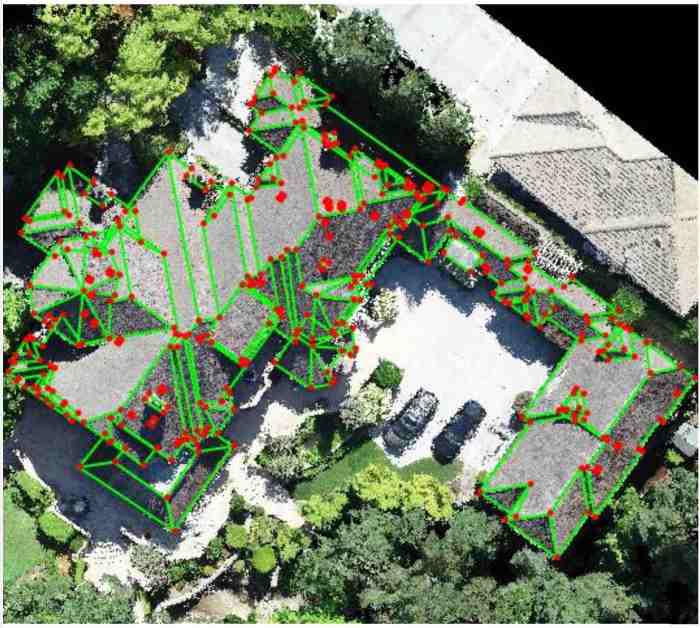
Preparing for a drone home inspection is crucial for ensuring a smooth and efficient process. Homeowners should take certain steps to facilitate the inspection, which will ultimately lead to a more comprehensive understanding of their property’s condition. A little preparation can make a significant difference in the outcome and quality of the inspection report.One of the first steps homeowners can take is to create a checklist that Artikels the necessary preparations before the drone arrives.
This checklist will ensure that all relevant areas are accessible, making it easier for the drone to conduct a thorough inspection. Below is a comprehensive checklist for homeowners to consider before a drone inspection.
Drone Inspection Preparation Checklist
This checklist serves as a guideline for homeowners to prepare effectively for a drone home inspection. Ensuring that these items are addressed will help the process run seamlessly.
- Clear any obstacles around the property, such as vehicles, furniture, or landscaping items, that could restrict the drone’s flight path.
- Ensure that pets are secured indoors or away from the inspection area to avoid distractions during the flight.
- Inform neighbors about the inspection to minimize any disturbance or concerns regarding drone activity.
- Remove any low-hanging branches or objects that may impede the drone’s ability to assess the roof or upper areas of the home.
- Provide access to all necessary areas of the home, including the attic, crawl spaces, and any external structures that need inspection.
During the drone home inspection, homeowners can expect the drone to fly around the property, capturing high-resolution images and video footage of areas that are difficult to access. The drone may assess the roof, gutters, siding, and other high or hard-to-reach areas without requiring ladders or scaffolding. This not only enhances safety but also allows for a more detailed view of any potential issues.
Utilizing Inspection Reports for Home Maintenance
Once the drone inspection is completed, clients will receive a detailed report based on the collected data. These reports are valuable tools for ongoing home maintenance and can help homeowners prioritize repairs and upgrades.The inspection reports generated by drones often include high-quality images, video footage, and detailed analyses of observed issues. Homeowners should pay special attention to the following aspects of the report:
- Identified Issues: The report highlights areas of concern, such as roof damage, potential leaks, or structural issues that may need immediate attention.
- Maintenance Recommendations: Clients can find useful maintenance tips based on the findings, guiding them on how to address or prevent future problems.
- Visual Documentation: The images and videos provide a clear visual reference for explanations, making it easier for homeowners to understand the condition of their property.
- Long-term Monitoring: Homeowners can use the reports to track changes over time, helping them make informed decisions about repairs or upgrades.
“Regular drone inspections can help maintain a home’s condition, allowing homeowners to address issues before they escalate.”
Cost Breakdown of Drone Home Inspections
Drone home inspections represent a modern approach to evaluating properties, offering unique benefits and efficiencies compared to traditional methods. Understanding the cost breakdown of these services is essential for homeowners considering this technology.Various factors influence the pricing of drone home inspections, including the type of inspection required, the size of the property, and the location. Here’s a breakdown of costs associated with different types of drone inspections:
Pricing Structure for Drone Inspections
This section Artikels the estimated costs for various drone inspection services. Prices can vary based on complexity and regional market rates.
| Type of Inspection | Estimated Cost |
|---|---|
| Roof Inspection | $150 – $400 |
| Exterior Inspection | $100 – $300 |
| Thermal Imaging Inspection | $200 – $500 |
| Real Estate Marketing Photography | $200 – $600 |
| Property Surveying | $300 – $800 |
A variety of factors affect the overall cost of drone inspections beyond the base pricing. These include:
Property Size
Larger properties may require more time and battery power for a thorough inspection.
Complexity of Inspection
Specialized inspections, such as thermal imaging or detailed surveying, typically incur higher costs due to advanced technology and expertise.
Location
Costs can fluctuate based on geographical region, with urban areas generally commanding higher prices due to demand and operational costs.
Additional Services
Bundling drone inspections with other services, like traditional home inspections or reporting, may lead to discounted rates.
Comparison of Costs: Drone Inspections vs. Traditional Methods
When comparing drone home inspections with traditional approaches, one can observe significant differences in pricing, efficiency, and capabilities. Traditional inspections often involve scaffolding or ladders, which can escalate labor costs and time.
Traditional Roof Inspection
Typically ranges from $200 to $800, factoring in labor, equipment rental, and safety measures.
Drone Roof Inspection
Costs between $150 to $400, with faster completion times and reduced safety risks.The following points illustrate the advantages of drone inspections over traditional methods:
Efficiency
Drones can quickly gather comprehensive data, reducing the time spent on site.
Safety
Drones eliminate the need for inspectors to work at heights or in hazardous conditions, lowering the risk of accidents.
Data Collection
Drones can capture high-resolution imagery and thermal data, providing a more detailed assessment than the naked eye.
“Drone inspections not only save time and money but also enhance the safety and quality of inspections.”
Client Testimonials and Case Studies
The impact of drone technology in home inspections is best highlighted through the experiences of clients who have benefited from these innovative services. Gathering testimonials and real-life scenarios showcases the tangible advantages that drones bring to the home inspection process. This section includes a collection of feedback from clients, along with case studies that underline the effectiveness and reliability of drone inspections in various situations.
Client Testimonials
Feedback from clients who have experienced drone home inspections reveals their satisfaction and the unique advantages they encountered. Several clients have shared their stories, emphasizing peace of mind, thoroughness, and efficiency.
-
“The drone inspection allowed us to see our roof’s condition without risking anyone’s safety. It was quick, comprehensive, and provided us with the assurance we needed before purchasing our new home.” – Sarah T.
-
“I was amazed at the detail captured by the drone. The imagery focused on areas we wouldn’t have noticed otherwise, and it played a crucial role in our decision-making process for renovations.” – Mark L.
-
“Having a drone inspector on our side made the entire process seamless. The reports were ready almost instantly, and we felt informed every step of the way.” – Emily R.
Case Studies
Real-life scenarios illustrate how drone inspections have made significant impacts across different home inspection areas. Below are a few case studies demonstrating the effectiveness of drone technology.
- Case Study 1: Roof Inspection for a Historic Home
A historic home in a densely populated area was due for an inspection prior to sale. Traditional methods would have posed challenges, including potential damage to the roof. The drone inspection, however, provided a safe, non-invasive way to assess the roof’s condition. The high-resolution images captured cracked shingles and potential leaks, allowing the seller to address issues before listing the property.
- Case Study 2: Thermal Imaging for Energy Efficiency
In a suburban neighborhood, a homeowner sought to improve energy efficiency. A drone inspection using thermal imaging identified heat loss areas around windows and attic spaces. This detailed analysis helped the homeowner prioritize upgrades, resulting in reduced energy costs and improved home comfort.
- Case Study 3: Post-Storm Damage Assessment
After a severe storm, a homeowner was uncertain about the extent of damage to the property. A drone inspection revealed fallen trees and damaged gutters, as well as locations where water had pooled, potentially causing further issues. This detailed assessment not only informed repair decisions but also streamlined the insurance claim process.
Resources for Further Learning
In the rapidly evolving field of drone technology, particularly in home inspections, ongoing education and access to reliable resources are essential for professionals looking to enhance their skills and knowledge. This section Artikels various platforms, organizations, and courses that can assist both aspiring drone inspectors and seasoned professionals in staying updated with the latest advancements and best practices in the industry.
Websites and Publications
Numerous websites and publications provide valuable insights, updates, and educational materials focused on drone technology and its applications in home inspections. These resources can help professionals stay informed about industry trends, regulatory changes, and technological advancements.
- DroneDJ: A leading source for news and information about drones, covering innovations in drone technology and applications in various sectors, including home inspections.
- The Drone Girl: A blog that features articles and guides on drone technology, as well as insights into the drone industry and tips for drone operators.
- UAV Coach: An educational platform offering courses, resources, and a community for drone pilots, with specific content focusing on commercial applications like home inspections.
- American Society of Home Inspectors (ASHI): Provides guidelines and best practices for home inspectors, including updates on using drone technology in inspections.
- DroneLife: A publication dedicated to the commercial drone industry, encompassing news, reviews, and expert opinions relevant to home inspection practices.
Training and Certification Options
For individuals interested in pursuing a career as a drone inspector, various training and certification programs are available. These programs ensure that aspiring professionals acquire the necessary skills and knowledge to operate drones safely and effectively within the home inspection field.
- Part 107 Certification: Required by the FAA for commercial drone operation, this certification covers necessary regulations, airspace classification, and safety protocols.
- Remote Pilot License Courses: Offered by various institutions, these courses provide comprehensive training on drone operations, including technical skills and safety measures.
- Drone Inspection Training Programs: Organizations like UAV Coach and Drone Pilot Ground School provide specialized training focusing on home inspections, including techniques for conducting aerial assessments of properties.
- Workshops and Webinars: Many industry conferences and professional organizations host workshops and webinars on drone technology, safety, and inspection techniques.
Professional Organizations Contacts
Connecting with professional organizations can enhance networking opportunities and provide access to resources tailored for drone inspections. Here are key organizations that offer support, training, and community engagement for drone inspectors.
- American Society of Home Inspectors (ASHI): Website: www.ashi.org – Contact for information on standards and best practices in home inspections.
- Drone Manufacturers Alliance: Website: www.dronealliance.org – Offers resources and advocacy for the drone industry, promoting safe and responsible drone use.
- National Association of Realtors (NAR): Website: www.nar.realtor – Provides resources for integrating drone technology in real estate, enhancing home inspections.
- Academy of Model Aeronautics (AMA): Website: www.modelaircraft.org – Offers support and guidelines related to drone flying and safety.
Last Point
In summary, drone home inspections represent a significant leap forward in property assessments, combining efficiency, safety, and accessibility. As this technology continues to evolve, more homeowners will benefit from the detailed information and cost-effective solutions that drones offer, making informed decisions about their homes easier than ever.
Helpful Answers
What are drone home inspections?
Drone home inspections involve using aerial drones equipped with cameras to assess various parts of a property, providing a detailed overview from unique angles.
Are drone inspections safe?
Yes, when conducted by certified professionals who follow safety guidelines, drone inspections are generally safe and can minimize risks associated with traditional methods.
How long does a drone home inspection take?
The duration varies depending on the property’s size and complexity, but drone inspections can often be completed in a fraction of the time compared to conventional methods.
Can drones inspect the interior of homes?
Drones are typically used for exterior inspections; however, some advanced models can assist in analyzing interior spaces through windows or by using specialized equipment.
Do I need special permissions for a drone inspection?
Yes, drone operators must comply with local regulations and may need to obtain permits, especially in residential areas, to ensure legal operation.


