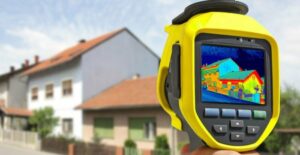
Before making one of the most significant investments of your life, understanding the condition of the roof is crucial. Roof inspection before buying is not just a formality; it can save you from unexpected headaches and financial burdens down the line. This process involves a thorough evaluation of the roof’s health, revealing potential issues that could affect your home’s value and safety.
When you take the time to have the roof inspected before purchasing a home, you’re ensuring peace of mind and a sound investment. A well-maintained roof enhances energy efficiency and protects your belongings, while hidden problems can lead to costly repairs if overlooked. In this guide, we’ll explore the importance of roof inspections, the steps involved, and what to expect from a professional inspector.
Importance of Roof Inspection Before Buying
A roof is one of the most crucial components of any home, serving as the first line of defense against the elements. Thus, a comprehensive roof inspection before purchasing a property is vital. It provides insight into the condition of the roof, ensuring that potential buyers are fully informed of any issues that may affect their investment. Understanding the roof’s condition not only enhances buyers’ peace of mind but also protects their financial interests in the long run.Assessing the roof’s condition involves examining several critical aspects such as age, material, and visible damage.
A roof in good condition can significantly enhance the value of a home, while a faulty roof can lead to severe financial repercussions. Skipping this inspection can result in unexpected repair costs, which could have been avoided with early detection. The financial implications of a neglected roof can be far-reaching, ranging from minor repairs to major replacements, which can cost thousands of dollars.
Common Roof Problems Leading to Costly Repairs
Understanding common roof issues can help buyers make informed decisions. Many problems may seem minor at first but can escalate into major headaches if not addressed promptly. Here are some of the most prevalent roof problems that can lead to significant repair expenses:
- Leaks: Roof leaks can be caused by damaged shingles or improper flashing. If not fixed quickly, they can lead to water damage, mold growth, and structural issues, often costing thousands to remediate.
- Missing or Damaged Shingles: Shingles can become loose or break due to weather conditions or age. Replacement can become necessary, and ignoring this issue can expose the underlying structure to further damage.
- Debris Accumulation: Leaves, branches, and other debris can trap moisture and cause damage to roofing materials. Regular cleaning can prevent deterioration and prolong the lifespan of the roof.
- Poor Ventilation: Inadequate ventilation can lead to heat and moisture buildup, resulting in shingle damage and higher energy costs. This issue can be costly to rectify and affect the overall energy efficiency of the home.
- Structural Damage: Issues like sagging or uneven surfaces often indicate underlying structural problems. Repairs can be extensive and expensive if these issues are not identified early on.
By gaining insight into these potential problems during a roof inspection, buyers can negotiate repairs or reconsider their purchase, ensuring they invest in a property that will not become a financial burden.
Steps Involved in Roof Inspection
A thorough roof inspection is essential to ensure the integrity of a property before purchase. Professionals follow a systematic approach to identify potential issues that could lead to costly repairs or compromises in safety. Understanding these steps can equip buyers with the right knowledge for their real estate journey.The roof inspection process typically involves several key steps, each designed to uncover problems that may not be immediately visible.
Inspectors assess various aspects of the roof’s structure and materials, checking for damage, wear, and other indicators of possible failure. This careful evaluation helps in determining the roof’s condition and longevity.
Inspection Steps
The following steps Artikel the procedure a professional inspector follows during a roof inspection:
1. Visual Inspection from Ground Level
Inspectors begin by examining the roof from the ground to identify obvious issues such as sagging or missing shingles.
2. Accessing the Roof
Using ladders or scaffolding, inspectors safely reach the roof surface for a closer look at its condition.
3. Detailed Surface Inspection
This includes checking for cracked or curling shingles, missing flashing, and signs of water damage or moss growth.
4. Gutter and Downspout Evaluation
Inspectors ensure gutters are clear of debris and functioning properly to prevent water accumulation on the roof.
5. Interior Inspection
Inside the home, inspectors check for signs of water damage on ceilings and walls, which may indicate roof leaks.
6. Ventilation and Insulation Check
Proper ventilation and insulation are critical for roof health; inspectors examine these elements to detect potential issues.
7. Documentation and Reporting
Finally, inspectors document their findings thoroughly, often providing a detailed report outlining any concerns, recommendations, and estimated costs for repairs.
Inspection Checklist
Having a checklist is vital for ensuring that every aspect of the roof is inspected meticulously. Here are key items professionals look for during an inspection:
Shingle Condition
Look for cracks, curling, or missing shingles.
Flashing Integrity
Inspect areas around chimneys and vents for secure flashing.
Gutter Condition
Ensure gutters are clean and free of obstructions.
Signs of Water Damage
Check for stains or discoloration on ceilings indoors.
Moss and Algae Growth
Identify growths that may indicate moisture retention.
Structural Issues
Look for sagging areas or signs of compromised roof structure.
Ventilation
Assess if the roof has proper ventilation systems in place.
Tools Used in Roof Inspections
Professionals utilize a variety of tools to conduct thorough roof inspections. Here’s a list of commonly used tools that aid in the assessment process:
Ladder
Essential for safely accessing the roof.
Flashlight
Helps inspect darker areas under eaves and inside attics.
Moisture Meter
Measures moisture levels to identify leaks.
Binoculars
Useful for initial inspections from the ground.
Digital Camera
Captures images of damage for reports.
Safety Harness
Ensures inspector safety when working on steep roofs.
Tape Measure
Used to measure areas and dimensions for repairs.
“Regular roof inspections can save homeowners thousands in future repairs by identifying issues early on.”
What to Expect from a Professional Roof Inspector
When considering a roof inspection before buying a property, understanding what to expect from a professional roof inspector is crucial. The right inspector can save you from future headaches and expenses by identifying potential issues early on. A qualified inspector will have the necessary skills and knowledge to evaluate the condition of the roof thoroughly, ensuring that you make an informed decision.
Qualifications and Experience of a Roof Inspector
It’s important to choose a roof inspector who comes with the right qualifications and experience. Typically, a professional inspector should have a background in construction or roofing, ideally with certifications from recognized organizations such as the National Roofing Contractors Association (NRCA) or similar. When hiring an inspector, consider the following aspects:
- Experience: Look for inspectors with several years of experience in the field. An inspector who has worked on various roof types and styles will be better equipped to identify issues specific to your potential property.
- Certifications: Ensure that the inspector carries relevant certifications that demonstrate their expertise in roof inspection practices.
- Insurance: A reputable inspector should have liability insurance and worker’s compensation, protecting both you and them in case of accidents during the inspection.
Typical Costs Associated with Hiring a Roof Inspection Service
Understanding the costs involved in hiring a roof inspection service is essential for budgeting purposes. The price of a roof inspection can vary based on several factors, including the size of the property, the complexity of the roof, and the geographical location. On average, you can expect to pay between $300 to $600 for a professional roof inspection. In some cases, additional costs may arise if the inspector needs to conduct specialized checks, such as thermal imaging or drone assessments.
Be sure to inquire about any extra fees before agreeing to the service. Investing in a thorough inspection can ultimately save you money by preventing costly repairs down the line.
Importance of Receiving a Detailed Report After the Inspection
Once the roof inspection is completed, receiving a detailed report is vital. This report serves as a comprehensive overview of the roof’s condition, identifying any issues that need attention. A well-structured report typically includes:
- Photographic Evidence: Clear, labeled images of any problems found, along with a description of each issue.
- Recommendations: Suggested repairs or maintenance needed to address identified concerns, which can help you prioritize actions.
- Status of Current Roof Condition: Assessment of whether the roof is in good, fair, or poor condition, guiding your decision-making process.
Receiving this information in a detailed report ensures that you have a clear understanding of the roof’s status and can effectively negotiate repairs or adjustments in the purchase agreement. This documentation can also serve as a valuable reference for future maintenance and repairs, ensuring the longevity of the roof.
Implications of Roof Condition on Home Insurance
The condition of a roof plays a significant role in determining home insurance premiums and coverage. Insurers assess the roof as part of their risk evaluation process, which directly influences the cost of your policy. A well-maintained roof can lead to lower premiums, while a roof in poor condition may result in higher costs or even denial of coverage.When it comes to home insurance, the condition of your roof is critical.
Insurers may require a recent roof inspection report to understand its current state and longevity. This evaluation helps them determine the level of risk they are taking on when insuring your home. Here are some key points to consider regarding roof condition and insurance:
Impact on Insurance Premiums
The state of your roof can significantly impact your insurance premiums. A roof that is new or well-maintained typically results in lower premiums, while an aging or damaged roof can raise costs. Insurers often categorize roofs based on their material and age, so understanding these factors can help homeowners anticipate their premium expenses.
- Roof Age: Older roofs may lead to increased premiums due to a higher likelihood of damage and claims.
- Material Type: Certain materials, like metal or tile, may be favored by insurers for their durability, potentially lowering costs.
- Maintenance Records: Regular maintenance and documentation can prove to insurers that the roof is in good condition, possibly reducing premiums.
Insurer Requirements for Roof Inspections
Insurance companies often have specific requirements regarding roof inspections before issuing or renewing a policy. These standards help insurers assess risk accurately and may vary by provider. Key requirements typically include:
- Inspection Frequency: Some insurers may require a roof inspection every few years, especially for older roofs.
- Professional Evaluation: Insurers usually mandate that inspections be conducted by licensed roofing professionals to ensure thorough evaluations.
- Documentation: Homeowners must provide inspection reports detailing findings and any necessary repairs, which could directly impact coverage decisions.
Claims Issues Related to Roof Damage
Roof damage can lead to complications during the claims process, particularly if the roof’s condition is questionable. Insurers often scrutinize claims related to roof damage, and certain issues may arise, including:
- Denial of Claims: If the roof was found to be in poor condition during the inspection, claims related to its damage may be denied.
- Coverage Limits: Some policies may have limitations on coverage for older roofs, affecting the payout for repairs or replacements.
- Preventive Maintenance: Insurers might not cover damages resulting from neglect or lack of maintenance, highlighting the importance of regular upkeep.
Understanding the implications of roof condition can save homeowners from unexpected costs and complications during the insurance claims process.
Connection Between Roof Condition and Home Furniture
The state of your roof plays a crucial role in the overall well-being of your home, significantly impacting not only the structural integrity but also the condition of your furniture and personal belongings. A well-maintained roof acts as a protective barrier against the elements, while a compromised roof can lead to various issues that may affect the comfort and safety of your home environment.Roof leaks present a serious threat to furniture and belongings, as water intrusion can cause extensive damage.
When leaks occur, moisture can seep into the home, leading to water stains, mold growth, and even structural damage within the living space. Furniture made from wood, fabric, or other porous materials can absorb moisture, resulting in warping, discoloration, and unpleasant odors. Additionally, items left below a leaking roof, such as electronics or heirlooms, are at risk of irreparable damage, leading to costly replacements.
Types of Furniture Affected by Roof Issues
Understanding the types of furniture most susceptible to roof-related damage can help homeowners take proactive measures. The following categories of furniture are particularly vulnerable:
- Wooden Furniture: Items such as dining tables, chairs, and cabinets can warp or develop mold if exposed to moisture from leaks.
- Upholstered Furniture: Sofas and armchairs can absorb water, leading to mold growth and unpleasant smells, which are often hard to eradicate.
- Electronics: TVs, computers, and sound systems are particularly sensitive to moisture and can short-circuit or suffer significant damage if exposed to water.
- Artwork and Collectibles: Paintings, photographs, and decorative items can be ruined if they become wet, resulting in loss of value and cherished memories.
- Textiles and Rugs: Carpets and drapes can also suffer from mold and mildew, leading to health issues and the need for replacement.
To protect your furniture from roof-related damage, consider implementing preventive measures such as regular roof inspections, timely repairs of any identified issues, and the use of waterproof covers for furniture during inclement weather. Additionally, maintaining proper ventilation within your home can help reduce moisture accumulation, further safeguarding your belongings.
Relation to Green Living Practices
A well-maintained roof is not just an aesthetic feature of a home; it plays a crucial role in energy efficiency and sustainability. When roofs are in good condition, they help regulate indoor temperatures, which can significantly reduce energy consumption. A robust roof can reflect sunlight, insulate against heat loss, and prevent air leaks, leading to lower energy bills and a reduced carbon footprint.
Thus, understanding the relationship between roof maintenance and green living practices is essential for homeowners aiming for sustainability.Sustainable roofing options have emerged as viable choices for environmentally conscious homeowners. These options not only enhance the energy efficiency of a house but also contribute positively to the environment. Sustainable roofing materials minimize the adverse effects on nature and promote longevity, reducing the frequency of roof replacements.
Sustainable Roofing Options
Several sustainable roofing materials are available that offer benefits beyond traditional options. Selecting the right material can lead to improved energy efficiency and a reduction in environmental impact. The following are notable sustainable roofing options:
- Metal Roofing: Metal roofs are durable, recyclable, and reflect solar radiant heat, which can reduce cooling costs by 10-25%.
- Green Roofs: These roofs incorporate vegetation, which improves insulation, reduces heat island effects, and promotes biodiversity.
- Cool Roofing: Cool roofs are designed to reflect more sunlight and absorb less heat than standard roofs, resulting in lower energy consumption.
- Solar Roofs: Solar shingles or panels generate electricity, providing a renewable energy source while protecting the home.
Maintaining a roof is not merely about aesthetics or functionality; it has significant environmental implications. Failing roofs can lead to leaks, mold growth, and water damage, which not only compromise the home but also contribute to environmental degradation.
Environmental Impacts of Failing Roofs
The deterioration of roofs can trigger a chain of negative environmental impacts. When roofs fail, they can lead to increased waste and higher energy consumption. Here’s how these issues materialize:
- Increased Energy Use: A failing roof can lead to poor insulation, causing heating and cooling systems to work harder, thus consuming more energy.
- Water Damage: Leaks can result in water waste, mold, and mildew, leading to expensive repairs and potential health hazards.
- Landfill Waste: Roof replacements generate significant waste, contributing to landfill overflow when old materials are discarded.
- Air Quality Issues: Mold and mildew from water damage can negatively impact indoor air quality, posing health risks to residents.
Addressing failing roofs promptly is crucial to mitigate these environmental impacts. Regular inspections and timely repairs can extend the life of a roof, reduce waste, and promote energy efficiency, aligning with green living practices that benefit both homeowners and the planet.
Coordination with Home Inspections
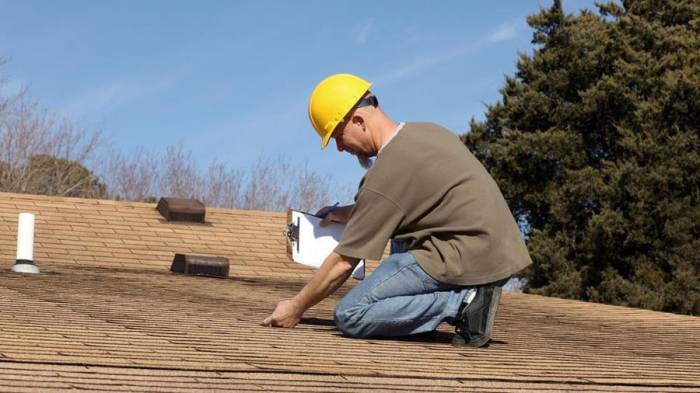
In the process of purchasing a home, roof inspections play a critical role as a part of the overall home inspection process. A well-executed roof inspection provides insights that are essential for making informed decisions regarding the property’s condition, which can significantly impact the buyer’s investment.Integrating roof inspections into the broader home inspection process ensures that all critical components of the property are evaluated.
This holistic approach allows potential buyers to understand any existing issues and the overall integrity of the home. The roof is one of the most significant structural elements, and its condition affects not only the home’s aesthetics but also its functionality and safety.
Additional Inspections Complementing Roof Assessments
Beyond a roof inspection, several other inspections should be conducted to achieve a comprehensive assessment of the home. These inspections work together to provide a thorough understanding of the property’s condition. Consider the following complementary inspections:
- Foundation Inspection: Evaluate the structural integrity of the foundation, looking for cracks, settlement, or moisture issues that may impact the home’s stability.
- Electrical System Inspection: Assess the safety and functionality of the electrical wiring and systems to prevent fire hazards and ensure compliance with local codes.
- Plumbing Inspection: Check for leaks, water pressure issues, and the overall condition of pipes and fixtures to avoid costly repairs in the future.
- Pest Inspection: Identify signs of infestation by termites or other pests that can compromise the integrity of the home and lead to extensive damage.
- Mold Inspection: Detect the presence of mold, which can pose health risks and indicate underlying moisture problems.
The importance of having a comprehensive inspection before purchasing a home cannot be overstated. Each inspection contributes valuable data that helps buyers understand potential risks and costs associated with the property. By addressing these concerns early, buyers can negotiate repairs or adjust their offer accordingly, ensuring they are making a sound investment.
“Skipping critical inspections can lead to unforeseen expenses and safety issues after the purchase.”
Integration of Heating and Air Conditioning Systems
The condition of a home’s roof plays a crucial role in the efficiency of heating, ventilation, and air conditioning (HVAC) systems. A well-maintained roof can significantly enhance the performance of HVAC systems, while a compromised roof can lead to increased energy costs, discomfort, and potential damage. Understanding the relationship between roof condition and HVAC efficiency is essential for prospective homebuyers.Roof ventilation is a key aspect that influences how effectively heating and cooling systems operate.
Proper ventilation allows for the circulation of air, which helps regulate indoor temperatures and maintain a comfortable living environment. Assessing roof ventilation involves checking for adequate airflow, the presence of vents, and the overall design of the roofing structure.
Assessment of Roof Ventilation
Evaluating roof ventilation is critical for ensuring that HVAC systems function effectively. Poor ventilation can lead to heat buildup in the attic, which affects the efficiency of both heating and cooling systems. Here are some factors to consider when assessing roof ventilation:
- Vent Placement: Ensure that vents are strategically placed to allow for optimal air circulation. Common vent types include ridge vents, soffit vents, and gable vents.
- Blocked Vents: Inspect for any debris or obstructions that may block vents. Blocked vents can prevent air from flowing freely, leading to inefficiencies.
- Insulation Quality: Check the insulation in the attic. Proper insulation helps maintain temperature control and supports the efficiency of HVAC units.
- Ventilation Ratio: Follow the recommended ventilation ratio for your roof area. A general guideline is 1 square foot of vent space for every 300 square feet of attic space.
Issues arising from inadequate roofing can severely affect HVAC performance. For example, a roof that lacks sufficient insulation or has gaps and leaks can lead to conditioned air escaping, resulting in higher energy consumption and inadequate heating or cooling.
“A well-ventilated roof reduces the workload on HVAC systems, ultimately lowering energy costs and extending the lifespan of the equipment.”
In summary, the integration of heating and air conditioning systems with roof conditions is vital for ensuring energy efficiency and comfort in a home. Proper roof ventilation and maintenance not only support the performance of HVAC systems but also contribute to overall home energy efficiency.
Considerations Surrounding House Plans
The design of house plans plays a crucial role in determining roofing choices. Architects and home designers often consider various elements that not only enhance the aesthetic appeal but also impact the functionality and maintenance of the roof. Understanding these considerations is vital for prospective homeowners to avoid potential complications associated with roof inspections.The architectural style of a house can significantly influence roof types and their respective inspection requirements.
Features such as slopes, chimneys, dormers, and overhangs can complicate roof inspections, necessitating specialized knowledge and skills from inspectors. For instance, intricate roof designs with multiple facets may create hidden areas where damage could occur, making thorough inspections essential.
Architectural Features Affecting Roof Inspections
Certain architectural features can complicate roof inspections, requiring careful consideration during the planning phase. These features include:
- Multiple Roof Lines: Homes with multiple gables or intersecting roof lines can create challenging areas for inspectors to access and evaluate.
- Skylights and Roof Windows: While they add natural light, these features require careful inspection to prevent leaks, which can be hidden under the flashing.
- Complex Roof Shapes: Styles such as mansard or hip roofs involve intricate angles that can conceal potential issues.
- Overhangs and Eaves: Extended overhangs may trap debris and moisture, leading to wear and tear that necessitates closer examination.
These features emphasize the need for professional insight during both the design and inspection phases to ensure a roof’s longevity and effectiveness.
Common Roof Styles in House Plans
Different architectural styles utilize various roofing designs that reflect regional preferences and climate considerations. Here are some common roof styles found in house plans:
- Gable Roof: Simple and effective, gable roofs are characterized by two sloping sides and are prevalent in many homes due to their efficient drainage.
- Hip Roof: With slopes on all four sides, hip roofs provide excellent stability and are common in areas prone to high winds.
- Flat Roof: Often used in modern designs, flat roofs require careful drainage management to avoid pooling water issues.
- Mansard Roof: This style features a dual-pitch design, allowing for extra living space under the roof, but can complicate inspections due to its complexity.
Understanding the roofing styles associated with different house plans helps homeowners make informed decisions, ensuring both aesthetic appeal and practical performance are met.
Wrap-Up
In conclusion, a roof inspection before buying is a vital step in the home buying process that shouldn’t be neglected. By identifying potential issues early on, you can avoid unexpected repair costs and ensure that your investment is sound. Remember, a well-maintained roof not only safeguards your home but also contributes to its overall value and energy efficiency, making it a wise decision for any prospective buyer.
Top FAQs
What specific problems should I look for during a roof inspection?
Common issues include missing shingles, leaks, mold growth, and signs of water damage.
How long does a roof inspection typically take?
A roof inspection usually takes about 1 to 2 hours, depending on the size and condition of the roof.
Can I conduct a roof inspection myself?
While you can look for obvious issues like missing shingles, hiring a professional is recommended for a thorough evaluation.
How often should I get my roof inspected?
It’s advisable to have your roof inspected at least once a year or after severe weather events.
Will a roof inspection affect my home insurance rates?
Yes, a well-maintained roof can lead to lower insurance premiums, while a roof in poor condition may increase rates.