Convertible coffee tables are more than just functional pieces of furniture; they embody versatility and style, transforming any living space with ease. Whether you’re looking to save space in a small apartment or create a multifunctional area in your home, these tables offer a perfect blend of design and practicality, catering to modern lifestyles.
With various styles, materials, and mechanisms available, convertible coffee tables can serve multiple purposes, adapting to your needs effortlessly. From lift-top designs that offer hidden storage to extendable surfaces perfect for entertaining guests, these tables are a fantastic addition to any home.
Overview of Convertible Coffee Tables
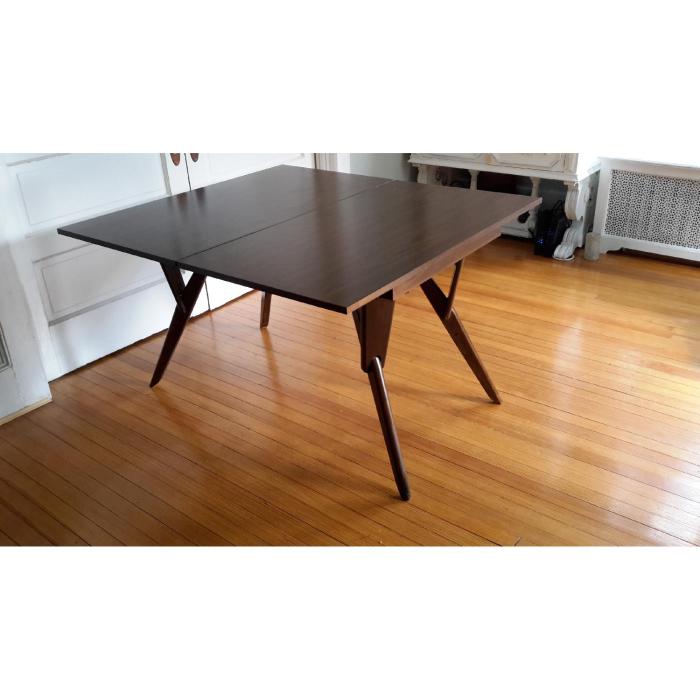
Convertible coffee tables are versatile pieces of furniture designed to serve multiple functions, making them a practical addition to any living space. These tables can transform from a standard coffee table into a dining table, desk, or even a storage unit, catering to various needs in compact living areas. Their adaptability helps maximize space without sacrificing style or comfort, making them particularly popular among urban dwellers and those with limited square footage.
Convertible coffee tables come in a variety of styles and designs to suit different aesthetics and functional requirements. From sleek modern designs with minimalist lines to rustic wooden options that evoke a cozy feel, there is a convertible coffee table for every taste. Some designs incorporate intricate mechanisms that allow for easy adjustment, while others focus on simplicity and ease of use.
The color palette ranges from classic wood finishes to vibrant lacquered surfaces, ensuring that these tables can seamlessly blend into the existing decor.
Styles and Designs of Convertible Coffee Tables
The versatility of convertible coffee tables is reflected in the wide range of styles and designs available on the market. These options allow consumers to select a table that not only meets their functional needs but also complements their interior design. Here are several popular styles:
- Modern and Contemporary: Characterized by clean lines, geometric shapes, and a minimalist aesthetic, these tables often feature materials like glass and metal.
- Traditional: Often made from solid wood and featuring classic detailing, traditional convertible coffee tables bring warmth and elegance to a space.
- Industrial: Combining raw materials like metal and reclaimed wood, industrial-style tables offer a rugged, urban vibe that appeals to many.
- Scandinavian: Known for simplicity and functionality, Scandinavian designs often feature light woods and neutral colors, maintaining a clean and airy look.
- Multi-functional Designs: Some tables incorporate additional features, such as built-in storage, lift-top surfaces, or adjustable heights to adapt to various uses.
Materials Used in Convertible Coffee Tables
When it comes to the materials used in manufacturing convertible coffee tables, several options are commonly utilized, each offering unique benefits and aesthetics. The choice of material significantly impacts durability, style, and maintenance requirements. Here are the most frequently used materials:
- Wood: Classic and sturdy, wood can be finished in various ways to match any decor. Hardwoods like oak and maple are popular for their durability.
- Metal: Often used in modern designs, metal frames provide strength and a sleek look. Steel and aluminum are common choices for their lightweight properties.
- Glass: Frequently used for tabletops, glass provides an airy feel and can make a space appear larger. Tempered glass is often used for safety.
- Composite Materials: Engineered materials such as MDF or particleboard offer affordability and versatility, allowing for various finishes and designs.
- Fabric and Upholstery: Some convertible coffee tables incorporate soft materials, particularly in ottoman styles, providing additional seating and comfort.
Benefits of Convertible Coffee Tables
Convertible coffee tables offer a unique blend of style and practicality, making them a coveted addition to modern homes. Their versatility allows them to transform from a conventional coffee table into a functional piece of furniture that can serve multiple purposes, enhancing both the aesthetic and utility of your living space. This adaptability is especially valuable in smaller homes where every square foot counts, ensuring that your furniture works as hard as you do.One of the primary advantages of convertible coffee tables is their ability to maximize functionality without compromising on design.
These tables can serve as dining surfaces, workspaces, or even additional storage, all while maintaining their role in the living room. This dual functionality helps reduce clutter and makes it easier to transition between different activities throughout the day.
Space Efficiency and Functionality
In homes where space is at a premium, convertible coffee tables excel at providing multi-purpose solutions. They effectively address the need for versatile furniture that can adapt to various scenarios, from casual family gatherings to more formal entertaining. Here are some scenarios where convertible coffee tables shine:
- Small Apartments: In compact living areas, a coffee table that can convert into a dining table allows you to host friends and family without needing additional furniture.
- Home Offices: For those working remotely, a convertible coffee table can double as a workspace, providing a convenient spot to set up your laptop during the day and revert to a stylish coffee table in the evening.
- Kids’ Play Areas: Families with children benefit from convertible coffee tables that can lower to the ground for playtime, then raise back up for adult gatherings once the kids are asleep.
Furthermore, the design of these tables can complement the existing decor while offering practical benefits. Many models incorporate hidden storage compartments, allowing you to tuck away magazines, remote controls, and other items, keeping your space tidy.
“Convertible coffee tables redefine how we utilize our living spaces, offering both style and practicality.”
Their ability to adapt enhances any space, making them an essential consideration for anyone looking to optimize their home environment.
Choosing the Right Convertible Coffee Table
When it comes to selecting the perfect convertible coffee table, it’s essential to align your choice with your space and functional needs. A convertible coffee table is not just a stylish addition to your living space but also a practical solution to various everyday challenges, such as limited space or the need for multifunctional furniture. Understanding the criteria for selection can make all the difference in maximizing your home’s utility and aesthetic.The first step in choosing the right convertible coffee table is evaluating your living space and the specific functions you need the table to serve.
Consider how much room you have available, the overall layout of your furniture, and the style you wish to maintain in your decor. A well-chosen table can enhance your living area, while a poorly chosen one can hinder movement and create clutter.
Criteria for Selecting Convertible Coffee Tables
When selecting a convertible coffee table, consider the following criteria that cater to both space constraints and your specific needs:
- Space Availability: Measure the area where you plan to place the table. Ensure there is enough room for movement and that the table fits seamlessly within your existing layout.
- Functionality: Determine how you will use the table. Options may include dining, work, or storage purposes. Choose a table that accommodates these functions effectively.
- Style Compatibility: Make sure the design of the table complements your existing decor style, whether it be modern, rustic, or traditional.
- Material Durability: Consider the materials used in the table’s construction. High-quality materials ensure longevity, particularly in high-use areas.
Comparison of Mechanisms in Convertible Coffee Tables
Convertible coffee tables come with various mechanisms that affect their functionality and ease of use. Here’s a closer look at popular types:
- Lift-Top Mechanism: This design allows the tabletop to be lifted and extended upward, creating a higher surface for dining or working. It’s perfect for small spaces where a standard table height may not be as practical.
- Extendable Mechanism: Some tables can be expanded by pulling apart the ends and inserting a leaf, which allows for larger gatherings. This is ideal for entertaining guests without needing a permanent large table.
- Foldable Mechanism: Foldable tables can collapse into a more compact form, making them easy to store when not in use. This option is beneficial for those who need flexibility and space-saving solutions.
Importance of Size and Proportions
Choosing the right size and proportions for a convertible coffee table is critical for both functionality and aesthetic appeal. A table that is too large can overwhelm a space, while one that is too small may not serve its intended purpose effectively. Consider the following aspects:
- Height: The height of the coffee table should complement the surrounding seating. A standard coffee table height typically ranges from 16 to 18 inches, matching common sofa heights.
- Width and Length: A table should be proportionate to the seating arrangement. Ideally, leave about 18 inches of space between the coffee table and nearby seating for comfort and accessibility.
- Visual Balance: The size of the coffee table should maintain visual harmony with other pieces of furniture in the room, ensuring a cohesive look.
“Selecting the right convertible coffee table enhances functionality and adds style to your living space.”
Convertible Coffee Tables and Home Furniture Trends
As the landscape of home furniture continues to evolve, convertible coffee tables have emerged as a significant trend, showcasing their adaptability to modern living spaces. These multifunctional pieces not only serve the traditional purpose of a coffee table but also transform into dining tables, workspaces, or storage units, aligning perfectly with the need for versatility in contemporary homes.The rise of minimalist and multifunctional furniture is steering the design choices of interiors towards simplicity and efficiency.
With smaller living spaces becoming more common, homeowners are prioritizing furniture pieces that maximize utility without compromising on style. Convertible coffee tables epitomize this trend by integrating seamlessly into various environments while offering practical solutions for everyday challenges.
Integration of Convertible Coffee Tables with Other Furniture
When incorporating convertible coffee tables into a home, it’s essential to consider how they harmonize with existing furniture. Their sleek designs can complement a variety of aesthetics, from modern minimalist to cozy rustic styles. To achieve a cohesive look, consider the following points:
- Color Coordination: Selecting a convertible coffee table that matches or contrasts harmoniously with your existing color palette enhances visual appeal. For instance, a light wood table can beautifully complement darker furniture pieces.
- Material Matching: Aligning the materials of your coffee table with other furniture, such as leather sofas or metal accents, creates a unified theme. A glass-top convertible table can add elegance while remaining functional.
- Proportional Sizing: Ensure that the size of the coffee table is proportionate to the surrounding furniture. A large sectional sofa may require a more substantial table to maintain balance in the space.
- Layering Textures: To add depth, consider layering different textures. A soft fabric rug under a wooden convertible coffee table can create a warm, inviting atmosphere.
- Functional Arrangement: Positioning your coffee table within easy reach of seating areas encourages interaction while allowing for easy conversions when needed. This promotes a fluidity in the space, perfect for entertaining guests.
The adaptability of convertible coffee tables not only aligns with current design trends but also enhances the functionality of living spaces, making them a smart choice for modern homeowners. As trends continue to shift toward minimalism and multifunctionality, these tables will likely remain a staple in contemporary furniture design.
Eco-Friendly Options in Convertible Coffee Tables
As consumers become more environmentally conscious, the demand for eco-friendly furniture, including convertible coffee tables, is on the rise. These pieces not only offer functionality but also align with sustainable living practices. Choosing eco-friendly options helps reduce the overall environmental impact while enhancing the aesthetic of your space.One of the primary focuses in the production of eco-friendly convertible coffee tables is the use of sustainable materials.
Manufacturers are now opting for resources that minimize environmental damage and promote longevity. Common sustainable materials include:
- Bamboo: A rapidly renewable resource, bamboo is strong and lightweight, making it an excellent choice for versatile furniture.
- Reclaimed Wood: Utilizing wood from old structures or discarded furniture reduces waste while providing unique character to each piece.
- Low-VOC Finishes: These finishes emit fewer volatile organic compounds, ensuring healthier indoor air quality for you and your family.
- Recycled Materials: Some manufacturers incorporate recycled metals or plastics, contributing to waste reduction in production processes.
Brands Focused on Environmentally Friendly Designs
Several brands have emerged as leaders in sustainable furniture design, particularly in the convertible coffee table category. They emphasize eco-conscious practices and materials, appealing to eco-minded consumers.Notable brands include:
- West Elm: Known for its commitment to sustainability, West Elm offers a variety of convertible coffee tables made from responsibly sourced wood and eco-friendly finishes.
- Joybird: This brand specializes in customizable furniture using reclaimed and sustainable materials, ensuring that each piece is both stylish and environmentally sound.
- Gus Modern: With a focus on modern design, Gus Modern promotes sustainable production methods while providing convertible options that are both functional and chic.
- Naturepedic: While primarily known for organic bedding, Naturepedic also offers furniture, including convertible options, made from sustainably harvested materials.
Long-Term Benefits of Choosing Eco-Friendly Furniture
Investing in eco-friendly convertible coffee tables not only supports sustainable practices but also offers numerous long-term benefits that contribute to a healthier lifestyle and environment.The advantages include:
- Durability: Sustainable materials like bamboo and reclaimed wood are often more durable, meaning they can withstand daily use and last longer than cheaper alternatives.
- Healthier Home Environment: Low-VOC finishes and natural materials reduce toxic emissions, creating a safer living space.
- Unique Aesthetic: Eco-friendly furniture often showcases distinctive designs and finishes that add character and charm to any room.
- Support for Ethical Practices: Purchasing from eco-conscious brands supports fair labor practices and environmental protection efforts.
Maintenance and Care for Convertible Coffee Tables
Maintaining and caring for convertible coffee tables is essential to ensure their longevity and functionality. With regular upkeep, these multifunctional pieces can remain in excellent condition while providing aesthetic and practical benefits to your living space. Regular cleaning is the foundation of good maintenance. Depending on the material of your convertible coffee table, the cleaning method will vary. Generally, it’s advisable to use a soft, damp cloth to wipe down the surfaces, avoiding harsh chemicals that may damage the finish.
For wooden tables, a gentle wood cleaner can be beneficial, while glass surfaces may require a glass cleaner for a streak-free shine. Always ensure that any cleaning solution is compatible with the material of your table.
Cleaning Tips for Different Materials
Different materials require specific cleaning approaches to maintain their appearance and functionality. Here are some recommended methods:
- Wood: Use a microfiber cloth and a wood-safe cleaner. Avoid excessive water, which can warp the wood.
- Glass: Apply a glass cleaner with a lint-free cloth to avoid streaks. Be cautious not to scratch the surface.
- Metal: Wipe with a soft cloth and a mild metal cleaner. Regular polishing can help prevent rust.
- Fabric: Vacuum regularly to remove dust and debris. Spot-clean stains with appropriate fabric cleaning solutions.
Addressing common issues is also critical in the maintenance of convertible coffee tables. Over time, mechanisms may loosen, causing instability. This can usually be resolved by tightening screws or bolts using the appropriate tools.
Common Issues and Solutions
Understanding potential problems and their solutions can help keep your table in optimal condition.
- Loose Hinges: Tighten screws and hinges regularly to ensure smooth operation.
- Scratches: Use wood markers for wooden surfaces or touch-up paint for metal or laminate to conceal scratches.
- Stains: Treat stains promptly with the suitable cleaning agent for the specific material to prevent permanent damage.
Protecting the table’s surface is vital to prevent wear and tear over time. Using coasters for drinks, placemats for food, and cloths for hot items can significantly reduce the risk of damage. Additionally, consider applying a protective finish to wooden surfaces to enhance durability.
Surface Protection Methods
Implementing protective measures can prolong the life of your convertible coffee table. Here are some effective strategies:
- Use Coasters: Always place drinks on coasters to prevent rings and heat damage.
- Place Mats: For dining or snacks, use placemats to protect against scratches and spills.
- Regular Maintenance: Periodically apply a protective sealant or polish to wooden surfaces as recommended by the manufacturer.
- Avoid Direct Sunlight: Position the table away from direct sunlight to prevent fading and warping of materials.
“A little maintenance goes a long way in keeping your convertible coffee table functional and beautiful for years to come.”
Incorporating Convertible Coffee Tables in Different Rooms
Convertible coffee tables are not just a practical choice for small spaces; they can also enhance the aesthetic appeal and functionality of various rooms in your home. From the living room to the patio, the versatility of these tables allows them to adapt to different needs and styles. Understanding where and how to incorporate them can elevate your home decor while providing practical solutions for everyday living.
Living Rooms and Dens
In living rooms and dens, convertible coffee tables can serve multiple purposes, from a standard surface for beverages to a stylish workspace. When selecting a table for this space, consider how it will fit with existing furniture and décor. One effective approach is to choose a table that complements your primary furniture style. For example, a sleek, modern table with a glass top can enhance a contemporary setting, while a reclaimed wood table can add warmth to a rustic design.
Here are ways to effectively use convertible coffee tables in these spaces:
- Multi-functional Designs: Choose tables that can easily transform into dining surfaces or include hidden storage for magazines and blankets. This keeps the living space organized while providing flexibility.
- Height Adjustability: Opt for adjustable height tables that allow you to switch between a casual coffee table at a lower height and a dining table for meals or games.
- Creative Lighting: Position a convertible table near a lamp or window to create a cozy reading nook that can be utilized for work or leisure.
Home Offices
In home offices, convertible coffee tables can double as desks, providing a space for work without sacrificing style. When designing your office, it’s essential to ensure that the table offers enough surface area for your computer, documents, and other essentials.Consider the following elements when incorporating convertible tables into your home office:
- Ergonomic Height: Ensure the table height is suitable for working comfortably, which may involve choosing a model that adjusts to your preferred working position.
- Compact Solutions: Look for tables that can collapse when not in use, freeing up space for other activities or meetings.
- Integrated Storage: Select options that come with built-in drawers or compartments to maintain a tidy work environment.
Outdoor Spaces and Patios
Convertible coffee tables can seamlessly transition to outdoor spaces, adding functionality and style to patios and gardens. They can serve as casual surfaces for drinks during gatherings or as dining tables for outdoor meals. To effectively use convertible tables in outdoor settings, keep the following points in mind:
- Durable Materials: Choose tables made from weather-resistant materials like aluminum or treated wood, ensuring longevity against the elements.
- Portable Designs: Consider lightweight models that can be easily moved around, allowing for flexibility in seating arrangements during events or gatherings.
- Complementing Accessories: Pair your table with comfortable outdoor seating and decorative elements like planters or lanterns to create an inviting atmosphere.
Design Ideas for Different Aesthetics
When it comes to themes or aesthetics, convertible coffee tables can be tailored to fit a variety of styles, enhancing the overall look of your space.
- For a modern aesthetic, consider a table with clean lines, metallic accents, and a minimalist design that prioritizes function without sacrificing form.
- For a rustic charm, a reclaimed wood table with a distressed finish can provide warmth and character, serving as a beautiful centerpiece in a cozy living room or den.
- A bohemian vibe can be achieved with a colorful, eclectic table featuring intricate patterns or mixed materials, adding a touch of whimsy and individuality to your decor.
- For a classic look, opt for elegant tables with ornate legs and rich finishes that exude sophistication while still providing versatility for modern living.
By thoughtfully incorporating convertible coffee tables throughout various rooms in your home, you can achieve a harmonious balance of style and functionality.
Related Home Furniture
Convertible coffee tables are designed to enhance the functionality of your living space while seamlessly integrating with other furniture pieces. Their versatile nature allows them to work harmoniously with sofas, chairs, and various other elements in your home, making them a valuable addition, especially in smaller living areas. A well-chosen convertible coffee table can not only serve as a stylish centerpiece but also provide essential storage and flexibility that complements your existing decor.When considering the placement of convertible coffee tables, it’s crucial to evaluate their interaction with surrounding furniture.
For instance, pairing a convertible coffee table with a low-profile sofa can maintain a visually appealing height balance, ensuring that the space feels open rather than cluttered. Additionally, the height and design of the table should align with the surrounding chairs to create a unified look. Here are some tips for making the most of your convertible coffee table alongside other furniture:
Creating a Cohesive Look
Establishing a harmonious aesthetic in your living area is key to maximizing the potential of a convertible coffee table. A few strategic decisions can tie your furniture together and enhance the overall ambiance. Consider the following elements:
- Color Scheme: Choose a convertible coffee table that matches or complements the colors of your sofa and chairs. This creates a sense of continuity and enhances visual appeal.
- Materials and Textures: Coordinate the materials of the coffee table with other furniture pieces. For example, a wooden coffee table can work beautifully with leather sofas, while a glass table might complement fabric upholstery.
- Style Harmony: Ensure that the style of the coffee table aligns with the overall design theme of the room, whether it’s modern, rustic, or eclectic.
- Functionality: Select a table that not only matches aesthetically but also meets functional needs. For example, if you have a sectional sofa, consider a convertible table that can double as a workspace or additional seating when needed.
- Accessorizing: Use decorative items like books, vases, or trays to create an inviting look. These accessories can also tie together different furniture pieces by echoing their colors or materials.
In compact spaces, convertible coffee tables play a pivotal role by providing multifaceted use without overwhelming the area. Their ability to transform from a traditional coffee table to a dining or working surface allows for maximum versatility, which is especially beneficial in urban apartments or small homes. The right convertible coffee table can help you maintain a stylish appearance while ensuring your living area remains functional and adaptable to your lifestyle.
Green Living with Convertible Coffee Tables
Convertible coffee tables play a significant role in promoting a sustainable lifestyle, combining functionality with eco-conscious design. As homes become smaller and the demand for versatile furniture increases, these tables not only serve practical purposes but also contribute to reducing environmental impact. By integrating convertible coffee tables into living spaces, homeowners can embrace a greener approach without sacrificing style or comfort.The multifunctionality of convertible coffee tables extends beyond mere convenience; it actively supports a reduction in waste and consumption.
By providing multiple uses—like transforming from a coffee table to a dining table or workspace—these pieces minimize the need for additional furniture. This versatility means fewer materials are used and less space is occupied, leading to a more sustainable living environment. Investing in convertible furniture is an effective way to make eco-friendly choices in home decor.
Ways Convertible Coffee Tables Promote Sustainability
Emphasizing the relationship between convertible coffee tables and sustainability involves understanding their impact on home decor and consumption patterns. Here are some ways these tables contribute to eco-friendly living:
- Reduced Furniture Footprint: With their ability to serve multiple functions, convertible coffee tables reduce the necessity for separate pieces of furniture, thereby decreasing overall consumption.
- Longevity and Durability: Many convertible tables are made from sustainable materials that are built to last, which means they won’t need to be replaced frequently, further conserving resources.
- Material Efficiency: The production of convertible coffee tables often involves fewer materials compared to traditional furniture, reflecting a commitment to eco-friendly manufacturing practices.
- Minimalist Aesthetic: By embracing a minimalist approach, convertible furniture encourages a decluttered lifestyle, which can lead to less waste and more mindful consumption.
Decorating Sustainably Around Convertible Furniture
Creating a sustainable decor scheme around convertible coffee tables can enhance both aesthetics and environmental consciousness. Here are some examples of sustainable decorating practices:
- Use Reclaimed Wood: Pair your convertible coffee table with decor items made from reclaimed or recycled wood to create a cohesive and environmentally friendly look.
- Incorporate Natural Textiles: Choose cushions, throws, and table runners made from organic cotton or hemp, which are better for the environment compared to synthetic alternatives.
- Opt for Upcycled Accessories: Utilize decor pieces that have been upcycled, such as vases made from glass bottles or containers transformed into planters, to add character while promoting sustainability.
- Green Plants: Enhance the space with indoor plants that improve air quality and bring a touch of nature indoors, complementing the eco-friendly theme.
“Multifunctional furniture not only saves space but also reflects a commitment to a sustainable lifestyle by minimizing waste and consumption.”
The Role of Heating and Air Conditioning in Comfort
Creating a comfortable living space involves more than just selecting the right furniture; it also requires consideration of environmental factors such as temperature and airflow. The arrangement of furniture, including convertible coffee tables, plays a significant role in defining the comfort level within a room. By optimizing furniture placement in relation to heating and air conditioning sources, you can enhance not only the functionality of your living area but also the overall ambiance.The temperature of a room greatly influences how furniture, especially convertible coffee tables, is used.
In spaces that are too warm, people may prefer to sit away from heating vents, while in cooler areas, they might gravitate towards fixtures that provide warmth. This interplay Artikels the necessity of a thoughtful layout that accommodates comfort preferences influenced by climate control systems.
Strategic Placement Around Heating and Cooling Fixtures
When arranging furniture around heating and cooling fixtures, it is essential to maximize the benefits of temperature regulation. Convertible coffee tables can be strategically integrated into your living space to enhance comfort levels while considering their surroundings. Here are some key points to note:
- Proximity to Vents: Placing convertible tables near heating vents in winter can provide warmth to those seated nearby, enhancing comfort during colder months. This allows for a cozy gathering spot for family and friends.
- Airflow Considerations: Avoid obstructing air vents with large furniture pieces. Convertible coffee tables that can be moved easily ensure that airflow remains unobstructed, enhancing the efficiency of heating and cooling systems.
- Versatility for Seasonal Changes: Convertible coffee tables are adaptable; they can be used as a standard coffee table in the winter but can transform into dining or work tables during warmer months, making them ideal for variable temperature conditions.
- Interaction with Ceiling Fans: Positioning convertible tables in areas where ceiling fans can circulate air effectively contributes to a more even temperature distribution, making the area feel more comfortable regardless of the season.
The careful arrangement of convertible tables in relation to heating and air conditioning units not only optimizes comfort but also enhances the enjoyment of your living space. By creating a layout that respects the dynamics of temperature and airflow, you foster an inviting environment that adapts to your needs throughout the year.
Importance of Home Inspections for Furniture Safety
Home inspections play a crucial role in ensuring the safety and stability of furniture within a home. When it comes to convertible coffee tables and other adaptable furniture pieces, understanding their proper placement and structural integrity can prevent accidents and enhance overall home safety. Regular inspections can help identify potential hazards, ensuring that furniture not only serves its purpose but also remains a safe addition to the living space.Evaluating the stability of furniture, particularly convertible options, is key to maintaining an accident-free environment.
Home inspections assess the placement and condition of furniture, revealing any factors that could lead to instability or accidents. For instance, a convertible table that is not properly secured or that wobbles can pose a risk to family members, especially children and pets. Ensuring that furniture is placed on an even surface and that all mechanisms are functioning correctly is essential for safety.
Potential Hazards Related to Furniture
Identifying potential hazards associated with furniture during home inspections is vital for maintaining a safe living environment. Homeowners should be aware of various factors that can contribute to unsafe conditions. The following points Artikel potential hazards that can be assessed during inspections:
- Stability and Leveling: Uneven surfaces can lead to wobbly furniture, increasing the risk of tipping, especially for convertible tables that might be changed frequently between forms.
- Weight Capacity: Understanding the weight limits of convertible tables is essential. Overloading a table can lead to structural failures.
- Sharp Edges: Inspect for any sharp edges on convertible tables that can pose a safety risk, especially in households with children.
- Mechanism Integrity: Assess the mechanisms used to convert the tables. Faulty or damaged mechanisms can result in unexpected collapses or malfunctions.
- Proximity to High Traffic Areas: Placement of furniture in high traffic areas may increase the likelihood of accidental bumps or knocks that can lead to falls.
Homeowners should take proactive steps to evaluate their convertible tables regularly. During home inspections, it’s beneficial to follow these guidelines to ensure safety:
- Check Placement: Ensure tables are placed on flat, stable surfaces to prevent tipping.
- Inspect Mechanisms: Regularly check the folding and conversion mechanisms for any signs of wear or damage.
- Perform Stability Tests: Gently shake the table to assess its stability; it should remain steady without wobbling.
- Evaluate Usage: Regularly review how often the convertible table is used and if its weight limit is being adhered to.
- Address Repairs Promptly: If any issues are identified during these evaluations, address them immediately to prevent accidents.
Designing House Plans with Convertible Coffee Tables in Mind
Incorporating convertible coffee tables into house plans requires thoughtful consideration to optimize space and functionality. These versatile pieces can significantly enhance the overall design of living areas, making them more adaptable to various activities and occasions. When integrated seamlessly into the fabric of a home, convertible coffee tables can serve multiple purposes while maintaining aesthetic appeal.
The strategic placement of convertible coffee tables plays a crucial role in establishing room flow and usability. These multifunctional tables can enhance the living experience by acting as both a traditional coffee table and a workspace or dining surface when needed. Here are key strategies to consider when designing house plans with convertible coffee tables in mind:
Placement Strategies for Convertible Coffee Tables
Effective placement of convertible coffee tables directly influences the functionality of a space. Here are some essential factors to consider:
- Proximity to Seating: Position convertible coffee tables within reach of seating arrangements to encourage interaction and ease of use. This will create a natural gathering space for family and guests.
- Flow of Movement: Ensure that the placement allows for smooth movement around the room. Avoid obstructing pathways, which can create a cramped environment.
- Versatile Layouts: Design layouts that allow for various configurations. For example, consider an open-plan living area where the coffee table can easily transition between a casual gathering point and a more formal dining setup.
- Functional Zoning: Utilize convertible coffee tables to delineate different functional zones within a space, such as a living area and a work or dining area, enhancing utility without the need for additional furniture.
- Visibility and Aesthetics: Select designs that complement the overall decor of the home. The style and finish should harmonize with other furniture pieces, ensuring that the table is both functional and visually appealing.
In new constructions, the importance of planning for multi-use furniture like convertible coffee tables cannot be overstated. As homes become more compact, it is essential to maximize every square inch. Prioritizing convertible tables in the design process not only saves space but also encourages a lifestyle that values adaptability and utility.
“In today’s living spaces, every piece of furniture should serve multiple purposes to accommodate modern lifestyles.”
Ultimately, integrating convertible coffee tables into house plans ensures a home that is not only stylish but also meets the evolving needs of its occupants. This approach fosters a sense of community and enhances the overall functionality of living spaces.
Final Review
In summary, convertible coffee tables are a smart investment for anyone looking to maximize functionality without sacrificing style. Their ability to adapt to various spaces and functions makes them ideal for contemporary living, whether in the living room, home office, or even outdoor areas. Embracing these versatile tables not only enhances your home’s aesthetic but also supports a more sustainable and efficient lifestyle.
Question Bank
What are the common types of convertible coffee tables?
Common types include lift-top tables, extendable tables, and nesting tables that can be rearranged as needed.
How do I maintain a convertible coffee table?
Regular cleaning with a soft cloth, avoiding harsh chemicals, and occasional polishing can keep it in good condition.
Can convertible coffee tables work in small spaces?
Yes, they are designed to maximize space efficiency, making them ideal for small apartments or compact living areas.
What materials are best for convertible coffee tables?
Popular materials include wood, metal, and glass, each offering different aesthetics and durability.
Are there eco-friendly options for convertible coffee tables?
Yes, many brands now focus on using sustainable materials and environmentally friendly manufacturing processes.