
Renewable energy for homes is more than just a trend—it’s a movement towards sustainability and efficiency that promises to redefine the way we live. As the world grapples with climate change and resource depletion, adopting renewable energy sources at home becomes a vital step in forging a greener future. From harnessing sunlight to tapping into the earth’s heat, homeowners have a myriad of options to explore.
This guide will delve into various renewable energy solutions suitable for residential use, highlighting their environmental benefits, financial savings, and practical implementation. Whether you’re considering solar panels, wind turbines, or geothermal systems, understanding these technologies can empower you to make informed decisions that benefit both your household and the planet.
Introduction to Renewable Energy for Homes
As the world increasingly recognizes the importance of sustainability, renewable energy has emerged as a vital solution for homes aiming to reduce their carbon footprint. Transitioning to renewable energy not only helps in conserving natural resources but also plays a significant role in combating climate change. Homeowners are now exploring various renewable energy options to power their residences efficiently while making a positive environmental impact.There are several types of renewable energy sources that are particularly suitable for residential use.
Each source has its unique characteristics and benefits, making them viable choices for different types of homes and climates. The primary renewable energy sources include solar power, wind energy, geothermal energy, and biomass. These alternatives allow homeowners to harness natural processes to generate clean energy, leading to decreased reliance on fossil fuels and lowering greenhouse gas emissions.
Types of Renewable Energy Sources for Homes
Understanding the available renewable energy sources is essential for any homeowner looking to adopt a sustainable energy solution. Each form of renewable energy has distinct applications and advantages:
- Solar Power: Solar panels convert sunlight into electricity, providing homeowners with a direct source of renewable energy. Photovoltaic systems can be installed on rooftops or in yards, allowing for flexibility in energy generation.
- Wind Energy: Small wind turbines can be installed in residential areas to harness wind energy. These systems can complement solar power, particularly in regions with consistent wind patterns.
- Geothermal Energy: Geothermal systems utilize the earth’s steady underground temperature to heat and cool homes. This technology can significantly reduce heating and cooling costs over time.
- Biomass: Biomass energy involves using organic materials, such as wood pellets, to generate heat or electricity. It is a renewable alternative to fossil fuels, particularly in areas with abundant agricultural resources.
The environmental benefits of utilizing renewable energy in residential settings are substantial. By adopting renewable energy, homeowners can contribute to a cleaner environment through decreased emissions and energy use.
The shift to renewable energy sources in homes can lead to a marked reduction of carbon emissions, with solar and wind energy alone having the potential to eliminate millions of tons of CO2 annually.
In addition to reducing greenhouse gas emissions, renewable energy sources often lead to improved air quality. Traditional energy sources like coal and natural gas contribute to toxic pollution, while renewables offer a cleaner alternative that can have a positive impact on public health.Embracing renewable energy for homes not only benefits the environment but can also lead to long-term cost savings.
As technology advances and becomes more affordable, homeowners are empowered to make intelligent energy choices that benefit both their households and the planet.
Solar Energy for Homes
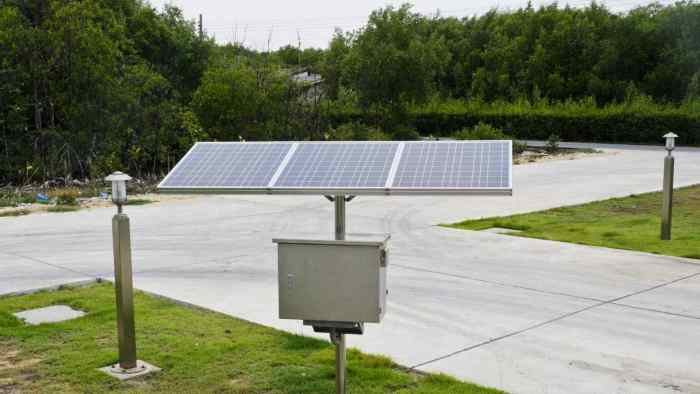
Solar energy has emerged as a pivotal component in the quest for sustainable living. For homeowners, it not only offers a way to reduce reliance on fossil fuels but also presents an opportunity to save on energy costs. This section delves into the functionality of solar panels, their installation process, and the financial benefits that come with harnessing solar energy.
Functionality and Installation of Solar Panels
Solar panels convert sunlight into electricity through a process called the photovoltaic effect. Each panel consists of silicon cells that absorb sunlight, generating direct current (DC) electricity. This DC electricity is then transformed into alternating current (AC) electricity by an inverter, making it suitable for use in homes. The installation process typically follows several key steps:
1. Site Assessment
A professional evaluates the home’s roof and energy needs to determine the best solar panel configuration.
2. Design and Permitting
Custom designs are created, and necessary permits are obtained from local authorities.
3. Installation
Installation includes mounting the panels on the roof, setting up the inverter, and connecting the system to the home’s electrical grid.
4. Inspection and Maintenance
Once installed, the system is inspected to ensure safety and efficiency, followed by regular maintenance checks.
Cost-Benefit Analysis of Solar Energy Systems
Investing in solar energy systems can lead to significant long-term savings for homeowners. The initial installation cost can range widely, typically between $15,000 and $30,000 before tax incentives. However, the benefits can outweigh these costs. Consider the following points in a cost-benefit analysis:
Reduction in Electricity Bills
Many homeowners see their electricity bills decrease significantly, often by 50% or more.
Tax Incentives and Rebates
Federal and state tax credits can cover a substantial portion of installation costs, making solar more financially accessible.
Increased Home Value
Homes equipped with solar energy systems often sell at a premium, with studies indicating an increase in value of up to $15,000.
Long-Term Savings
Over a 25-year lifespan, solar panels can save homeowners tens of thousands of dollars.
“The average solar panel system pays for itself in under 8 years and can save homeowners upwards of $20,000 over its lifespan.”
Top Solar Energy Products Available
When considering solar energy products, several options stand out for their reliability and efficiency. Here’s a concise list of some of the best solar energy products currently available on the market:
1. SunPower Maxeon Solar Panels
Known for their high efficiency and durability, these panels have a lifespan of up to 40 years.
2. LG Solar Panels
Offering impressive performance and aesthetics, LG panels are a favorite among homeowners for their reliable output.
3. Tesla Powerwall
This battery storage system allows homeowners to store excess energy produced by solar panels for use during non-sunny periods.
4. Enphase Microinverters
These provide greater efficiency by converting DC electricity to AC at each panel, improving overall system performance.
5. Solaredge Optimizers
These devices enhance the output of solar panels, especially in shaded conditions, maximizing energy production.Each of these products represents a commitment to reliable energy solutions, combining efficiency with cutting-edge technology. By investing in quality solar energy products, homeowners can ensure they reap the most benefits from their solar energy systems.
Wind Energy for Homes
Wind energy is increasingly becoming a popular choice for homeowners looking to harness renewable resources and reduce their carbon footprint. Residential wind turbines can effectively convert wind energy into usable electricity, making them an appealing option for those in suitable locations. Understanding the functionality, advantages, disadvantages, and assessment criteria for wind energy can help homeowners make informed decisions about adopting this technology.Residential wind turbines operate on a simple principle: they convert kinetic energy from wind into mechanical energy, which is then transformed into electrical energy through a generator.
The main components of a wind turbine include the rotor, which captures wind energy; the nacelle, housing the generator and other vital components; and the tower, which elevates the rotor to capture stronger winds. As wind flows over the blades of the rotor, it creates lift and causes them to spin. This rotational motion is what ultimately powers the generator, producing electricity for the home.
Advantages and Disadvantages of Wind Energy for Home Use
When considering wind energy for home use, it is essential to weigh the pros and cons. Here are some key points to consider:The advantages of wind energy for homes include:
- Renewable Source: Wind energy is abundant and inexhaustible, making it a sustainable choice.
- Low Operating Costs: Once installed, wind turbines have low maintenance and operational costs.
- Energy Independence: Homeowners can reduce reliance on grid electricity and may even become energy self-sufficient.
- Environmental Benefits: Wind energy reduces greenhouse gas emissions and air pollution.
On the other hand, some disadvantages include:
- Initial Investment: The upfront costs for purchasing and installing a wind turbine can be high.
- Site Suitability: Not all locations are ideal for wind energy; areas with low wind speeds may not yield sufficient energy.
- Noise and Aesthetics: Wind turbines can produce noise and may be considered an eyesore by some homeowners.
- Intermittent Energy Production: Wind energy generation is variable and depends on wind conditions.
Assessment of Viability for Wind Energy
Before investing in wind energy, homeowners should assess several factors to determine if it’s a viable option for their situation. The following steps are crucial in this evaluation process:
1. Wind Resource Assessment
Homeowners should first measure the average wind speed in their area. Wind maps and local meteorological data can provide valuable insights.
2. Site Evaluation
Analyzing the property’s characteristics is essential. Factors like surrounding structures, trees, and terrain can impact wind flow.
3. Regulatory Considerations
Checking local zoning laws and regulations regarding wind turbine installation is necessary to ensure compliance.
4. Financial Analysis
Homeowners should estimate the costs of installation against potential savings on electricity bills and any available incentives or subsidies.
5. Consultation with Professionals
Engaging with wind energy experts or renewable energy consultants can provide tailored advice and help navigate the complexities of the installation process.By carefully considering these factors, homeowners can make informed decisions about whether harnessing wind energy is an appropriate and beneficial move for their residence.
Geothermal Energy for Homes
Geothermal energy harnesses the Earth’s natural heat for heating and cooling residential spaces. This renewable energy source is not only efficient but also sustainable, offering homeowners a reliable alternative to traditional heating and air conditioning methods. In this section, we will explore how geothermal heating and cooling systems operate, guide you through the installation and maintenance processes, and highlight the energy savings you can achieve by utilizing geothermal energy.Geothermal heating and cooling systems operate by leveraging the stable temperatures found beneath the Earth’s surface, typically ranging between 45°F and 75°F.
These systems use a series of underground pipes, known as geothermal loops, which circulate a fluid—usually a mixture of water and antifreeze—through the ground to either absorb heat in the winter or dissipate heat in the summer. The heat exchange process relies on the principle that the ground temperature remains relatively constant throughout the year, allowing for efficient thermal regulation.
Installation and Maintenance of Geothermal Systems
The installation of geothermal systems involves several key steps that ensure the optimal performance and longevity of the system. Understanding these steps is crucial for homeowners considering this energy-efficient solution.
1. Site Evaluation
A professional will assess your property to determine the best type of geothermal system based on land availability, soil conditions, and energy needs.
2. System Selection
Choose between closed-loop or open-loop systems. Closed-loop systems circulate fluid through buried pipes, while open-loop systems draw water from a well or surface body.
3. Installation
The installation process involves digging trenches or boreholes for the loops. This may require heavy machinery, making it essential to hire experienced professionals.
4. Heat Pump Installation
A geothermal heat pump is installed inside the home, connecting to the loop system and your home’s ductwork or radiant heating system.
5. Final Connections
Electrical and plumbing connections are made, and the system is tested for efficiency and safety.Maintenance is vital for ensuring the long-term effectiveness of geothermal systems. Regular maintenance includes:
Annual Inspections
Schedule yearly check-ups with a qualified technician to assess the system’s performance and make necessary adjustments.
Fluid Checks
Monitor the fluid levels in the geothermal loop to prevent leaks and ensure optimal heat exchange.
Filter Replacement
Change air filters regularly to maintain indoor air quality and system efficiency.
“Geothermal systems can save homeowners up to 70% on heating and cooling costs.”
The energy savings achieved through geothermal energy are substantial. Many homeowners report a significant reduction in utility bills due to the high efficiency of geothermal systems. For instance, a typical geothermal system can provide a 400% efficiency rating, converting a small amount of electricity into multiple units of heating or cooling energy. Real-life examples show that families in moderate climates can save between $1,000 to $2,500 annually compared to conventional heating and cooling systems.
The return on investment often justifies the initial installation costs, which can be recouped within a few years through reduced energy expenses.
Home Furniture and Renewable Energy
The intersection of home furniture and renewable energy highlights the importance of sustainability in our living spaces. As homeowners become increasingly aware of their environmental impact, the demand for eco-friendly furniture has surged. Integrating renewable energy themes into home decor not only enhances aesthetic appeal but also promotes an eco-conscious lifestyle. With the right choices, your home can reflect a commitment to sustainability and innovation.Selecting eco-friendly furniture involves choosing pieces made from sustainable materials and designed with energy efficiency in mind.
Furniture that incorporates recycled or reclaimed materials significantly reduces waste and lowers the carbon footprint. These options are not only good for the planet but often add unique character to your home.
Eco-Friendly Furniture Options
To fully embrace sustainable living, consider the following eco-friendly furniture options that promote sustainability:
- Bamboo Furniture: Bamboo grows rapidly and can be harvested without damaging the ecosystem. Its strength and versatility make it an excellent choice for various furniture pieces.
- Reclaimed Wood Furniture: Furniture made from salvaged wood reduces the need for new timber and gives a rustic, charming appeal to homes. It often tells a story, showcasing its prior life.
- Recycled Metal Furniture: Items crafted from recycled metals not only prevent landfill waste but also tend to be durable and stylish, suitable for both indoor and outdoor use.
- Organic Fabric Upholstery: Using materials like organic cotton, hemp, or linen ensures that no harmful chemicals were used in production, making it safer for your home environment.
Design Ideas for Integrating Renewable Energy Themes
Incorporating renewable energy themes into home decor can create a cohesive and inspiring atmosphere. Here are some design ideas to consider:
- Solar-Powered Lighting: Use solar-powered lamps and fixtures to reduce your carbon footprint while adding a modern touch to your spaces.
- Accent Walls with Renewable Energy Art: Decorate walls with artwork that reflects renewable energy themes, such as solar panels or wind turbines, to foster discussions about sustainability.
- Furniture with Built-In Energy Solutions: Consider tables or desks that integrate wireless charging capabilities, making it easy to blend technology with everyday furniture.
- Natural Elements in Design: Incorporate plants and natural colors that resonate with the earth, promoting a tranquil living space that feels connected to nature.
Relationship Between Renewable Energy and Sustainable Materials
Understanding the relationship between renewable energy and sustainable materials is crucial in furniture production. Sustainable materials not only minimize environmental harm but also often come from renewable sources. Here’s how these two concepts intertwine:
- Reduced Carbon Footprint: Using materials that are sustainably sourced, like bamboo or reclaimed wood, helps lower greenhouse gas emissions associated with manufacturing.
- Energy-Efficient Production: Manufacturers that prioritize renewable energy in their production processes often utilize wind or solar power, further decreasing their environmental impact.
- Durability and Longevity: Furniture made from sustainable materials tends to be more durable, reducing the need for frequent replacements and resource consumption over time.
- Innovation in Materials: The furniture industry is increasingly exploring innovative materials, such as mycelium or recycled plastics, which contribute to a circular economy model.
Green Living Practices
Adopting green living practices is essential for maximizing the benefits of renewable energy in our homes. By integrating sustainable habits into daily routines, individuals can significantly reduce their carbon footprint while enhancing the effectiveness of renewable energy systems. This not only leads to environmental benefits but also promotes a healthier lifestyle and a stronger community connection.
Implementing green living practices involves a mix of personal habits and community initiatives. These practices support renewable energy efforts by reducing energy consumption and promoting sustainability. Here are some effective methods to adopt a green living lifestyle along with a checklist of eco-friendly habits.
Methods for Adopting a Green Living Lifestyle
Transitioning to a green living lifestyle can be achieved through a variety of practical methods. Here are some key strategies:
- Mindful Consumption: Focus on purchasing products with minimal packaging, and prioritize local and organic foods.
- Energy Efficiency: Invest in energy-efficient appliances and utilize smart home technologies to monitor and reduce energy use.
- Waste Reduction: Implement recycling and composting practices in your home to minimize waste sent to landfills.
- Water Conservation: Use low-flow fixtures and collect rainwater to reduce water consumption.
- Transportation Choices: Opt for public transport, biking, or walking whenever possible to reduce fossil fuel usage.
These methods create a synergistic effect when combined with renewable energy use. For instance, using energy-efficient appliances with solar power not only maximizes the benefits of renewable energy but also ensures lower electricity bills.
Checklist of Eco-Friendly Habits
Incorporating eco-friendly habits into your lifestyle is crucial for supporting renewable energy initiatives. Here’s a checklist to guide you:
- Use reusable bags, bottles, and containers to reduce plastic waste.
- Unplug electronic devices when not in use to prevent phantom energy consumption.
- Adjust your thermostat by a few degrees to save on heating and cooling costs.
- Participate in community clean-up events to enhance local environments.
- Support local farmers’ markets to bolster the local economy and reduce transportation emissions.
These habits are simple yet impactful ways to contribute to a healthier planet while complementing renewable energy solutions at home.
Community Programs Encouraging Green Living
Many communities offer programs that encourage residents to adopt green living practices alongside renewable energy initiatives. Engaging in these programs not only fosters a sense of community but also amplifies individual efforts toward sustainability.
“Community engagement is key to creating a sustainable environment for future generations.”
Some popular community initiatives include:
- Community Solar Projects: These allow residents to invest in and benefit from solar energy without needing to install panels on their own homes.
- Eco-Building Workshops: Local workshops teach sustainable building practices and provide resources for energy-efficient renovations.
- Incentive Programs: Municipalities may offer rebates or tax incentives for residents who adopt renewable energy solutions or make energy-efficient upgrades to their homes.
- Green Clubs and Organizations: Joining local environmental groups can provide networking opportunities, resources, and support for sustainable living efforts.
Participating in these community programs not only enhances individual green living practices but also contributes to a collective effort toward a sustainable and renewable energy future.
Heating and Air Conditioning Solutions
The modern home demands efficient heating and cooling solutions that not only provide comfort but also prioritize sustainability. Energy-efficient systems powered by renewable energy sources, like solar and geothermal, offer homeowners a way to reduce their environmental footprint while saving on energy costs. By investing in these technologies, families can enjoy a more sustainable living environment without sacrificing temperature control or comfort.Traditional HVAC systems often rely heavily on fossil fuels, leading to higher carbon emissions and energy bills.
In contrast, renewable energy alternatives harness natural sources, contributing to a cleaner ecosystem. Energy-efficient heating and cooling systems significantly reduce energy consumption, leading to lower utility bills and a smaller carbon footprint. These systems can be integrated with smart technology, allowing for better temperature regulation and energy management throughout the home.
Comparison of Traditional HVAC Systems and Renewable Energy Alternatives
The differences between conventional HVAC systems and renewable energy options are substantial in terms of efficiency, cost, and environmental impact. Traditional systems mainly operate on electricity generated from fossil fuels, making them less efficient in the long run. Renewable energy alternatives, however, utilize sustainable sources, resulting in lower operational costs and fewer emissions.
Switching from traditional HVAC systems to renewable energy solutions can reduce energy usage by up to 50%.
In terms of installation and maintenance, renewable systems may have higher upfront costs but often result in significant savings over their lifespan. For instance, solar-powered heat pumps harness sunlight to heat water and distribute it throughout the home, yielding remarkable efficiency and reliability.
Top Renewable Energy Heating and Cooling Products for Residential Use
Numerous products are available on the market, designed to meet various heating and cooling needs sustainably. Understanding the best options can help homeowners make informed decisions that align with their energy goals.The following list highlights some of the top renewable energy solutions for heating and cooling:
- Air Source Heat Pumps: These systems extract heat from the air, providing efficient heating in winter and cooling in summer. They can reduce energy consumption by up to 50% compared to traditional systems.
- Geothermal Heat Pumps: Utilizing the constant temperature of the earth, these pumps are incredibly efficient for heating and cooling, often leading to lower energy bills and a minimal carbon footprint.
- Solar Water Heaters: By collecting sunlight to heat water, these systems provide an eco-friendly solution for hot water needs, reducing reliance on conventional energy sources.
- Solar-Assisted HVAC Systems: These combine traditional HVAC systems with solar power, reducing electricity consumption and lowering costs significantly.
- Smart Thermostats: Integrating these devices with renewable energy systems allows for optimized energy usage, adapting to user habits and offering savings on energy bills.
Investing in renewable energy heating and cooling solutions not only contributes to a greener planet but also enhances the overall efficiency and comfort of home environments. As technology advances, these systems become increasingly accessible, making it easier for homeowners to transition to a more sustainable lifestyle.
Home Inspections for Energy Efficiency
Evaluating a home’s energy efficiency is a crucial step in optimizing renewable energy systems. Home energy audits help identify areas where energy is being wasted and provide insights on how to enhance a home’s overall efficiency. This foundational knowledge is essential for homeowners looking to integrate renewable energy solutions effectively.A home energy audit involves a thorough examination of the home’s structure, insulation, appliances, and systems to assess energy consumption levels.
By identifying inefficiencies, homeowners can ensure that their investments in renewable energy technologies yield the maximum benefit. It is important to understand the readiness of a home for such installations, as this can significantly influence the effectiveness of renewable energy systems.
Criteria for Assessing a Home’s Readiness for Renewable Energy Installations
Evaluating a home’s preparedness for renewable energy solutions involves several criteria that can determine how well these systems will perform. Homeowners should consider the following factors:
- Insulation Quality: Proper insulation minimizes energy loss. Homes that are well-insulated reduce the heating and cooling demands, making them ideal for renewable energy systems.
- Windows and Doors: The quality of windows and doors impacts energy efficiency. Double or triple-glazed windows help reduce heat loss and improve overall energy performance.
- Roof Orientation and Condition: For solar panel installations, roofs that face south or west with minimal shading are most effective. The condition of the roof must also support the weight of the panels.
- Existing HVAC Systems: Energy-efficient heating and cooling systems complement renewable energy sources. Homes with outdated systems may need upgrades to leverage renewables effectively.
- Electrical Infrastructure: A home’s electrical system should be compatible with renewable energy technologies, including the capacity for solar inverters or wind turbine connections.
Each of these factors plays a vital role in determining how well a renewable energy system can function within a home. Addressing these elements prior to installation can enhance energy efficiency and optimize the benefits of renewable energy.
Finding Qualified Home Inspectors Specializing in Energy Efficiency
Choosing the right inspector is key to conducting a comprehensive energy audit. Homeowners should look for professionals with specific qualifications and experience in energy efficiency. Here are useful steps to find qualified inspectors:
- Research Credentials: Look for certified energy auditors or inspectors with credentials from recognized organizations, such as the Building Performance Institute (BPI) or the Residential Energy Services Network (RESNET).
- Check Reviews and References: Reading reviews and asking for references can provide insights into the inspector’s reliability and thoroughness in evaluating energy efficiency.
- Inquire About Experience: Select inspectors who have experience with renewable energy systems and can provide tailored recommendations based on the latest technologies.
- Request Sample Reports: Reviewing sample audit reports can help homeowners understand the depth and quality of the inspector’s analysis.
- Ask About Follow-Up Services: Inspectors who offer follow-up consultations or assistance in implementing recommendations can provide added value to the service.
Finding a qualified inspector is essential for making informed decisions about energy efficiency improvements and renewable energy installations, ensuring that the home is prepared for a sustainable future.
Sustainable House Plans
Designing a sustainable house goes beyond aesthetics; it incorporates various elements that foster energy efficiency and renewable energy usage. When planning a sustainable home, it’s vital to consider features that not only reduce environmental impact but also enhance the quality of life for its occupants. Elements such as orientation, materials, and energy systems play crucial roles in achieving this goal.Key elements to include in sustainable house plans that support renewable energy technologies are as follows:
Essential Elements for Sustainable House Plans
A well-designed sustainable house plan integrates various features that enhance energy efficiency and the use of renewable energy. Important aspects to consider include:
- Orientation: Positioning the house to maximize natural light and minimize heat loss is essential. South-facing windows can harness solar energy effectively.
- Insulation: High-quality insulation materials help maintain indoor temperatures, reducing reliance on heating and cooling systems.
- Renewable Energy Systems: Incorporating solar panels, wind turbines, or geothermal heat pumps allows homeowners to generate their own energy.
- Water Conservation Features: Rainwater harvesting systems and graywater recycling reduce overall water consumption and promote sustainability.
- Materials Selection: Using sustainable, recycled, or locally sourced materials minimizes the carbon footprint associated with construction.
Several successful sustainable home designs have emerged as benchmarks in the industry, showcasing innovative uses of renewable energy:
Examples of Successful Sustainable Home Designs
Real-life examples of homes utilizing renewable energy demonstrate the practical application of sustainable design principles. Notable projects include:
- The Zero Energy House: Located in California, this home produces as much energy as it consumes through an extensive solar panel system combined with energy-efficient appliances.
- The Passive House: This design prioritizes airtight construction and high insulation levels, resulting in minimal energy use for heating and cooling while still maintaining comfort.
- The Earthship: Built using recycled materials, Earthships utilize thermal mass and solar energy, creating self-sufficient homes that manage their own energy and water resources.
To assist in creating sustainable house plans, several reputable architects specialize in green building practices and can provide valuable expertise:
Architects Specializing in Green Building Practices
Collaborating with architects who understand sustainable design can significantly enhance the effectiveness of a house plan. Here’s a list of some respected professionals in this field:
- Bill McDonough + Partners: Renowned for their sustainable architecture, focusing on environmentally responsible design.
- Heatherwick Studio: Known for innovative, eco-friendly designs that harmonize with their surroundings.
- Studio 804: This non-profit design/build firm emphasizes environmental responsibility in its educational projects.
- Green Hammer: Based in Oregon, they specialize in building energy-efficient, sustainable homes using renewable resources.
Closure
In conclusion, embracing renewable energy for homes not only enhances energy efficiency and reduces utility bills but also contributes to a sustainable future for our planet. By exploring the various options available, from solar to geothermal energies, homeowners can take proactive steps towards reducing their carbon footprint while enjoying the many benefits these technologies offer. It’s time to make the switch and join the movement for a cleaner, greener home.
Helpful Answers
What are the main types of renewable energy for homes?
The main types include solar energy, wind energy, geothermal energy, and biomass.
How much can I save on energy bills with renewable energy?
Is renewable energy worth the initial investment?
Yes, while the upfront costs can be significant, many renewable energy systems pay off over time through energy savings and incentives.
Do I need a lot of space for solar panels?
It depends on your energy needs; even small roof areas can accommodate solar panels, and ground-mounted systems can be tailored to available space.
How can I assess if my home is suitable for renewable energy?
Conducting an energy audit with a professional can help you evaluate your home’s energy efficiency and suitability for renewable energy installations.


